From early detection to management, rehabilitation and treatment — dementia-response technology expands on all fronts
Six companies at Seoul Bio Hub show a full 'predict-diagnose → manage-rehabilitate → treat' value chain for dementia
Sept. 21 is National Dementia Awareness Day in South Korea. Designated under the Dementia Management Act enacted in August 2011, the date coincides with World Alzheimer's Day, jointly established in 1995 by the WHO and Alzheimer's Disease International.
According to the Ministry of Health and Welfare's 2023 dementia epidemiology and status survey, the prevalence of dementia among Koreans aged 65 and older stands at 9.25 percent. At this rate, the number of dementia patients in South Korea is projected to exceed 1 million in 2026. Dementia has become a challenge that society as a whole must prepare for, not just a concern for some elderly individuals.
Biotech and healthcare startups are joining the push to develop technologies to overcome dementia. Approaches vary widely — from AI that detects early warning signs in retinal images and voices, to electronic medicine that stimulates brain function, AI-powered rehabilitation solutions, and innovative new drugs targeting Alzheimer's disease.
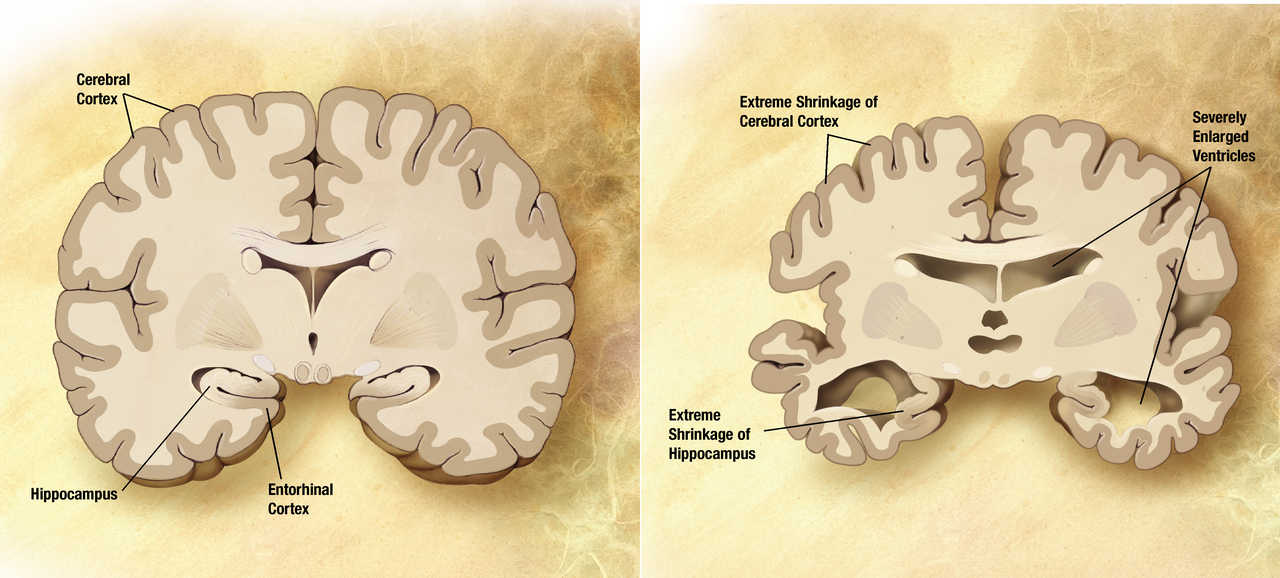
The fight against dementia is not the exclusive domain of global pharmaceutical giants. Seoul Bio Hub is home to a cluster of startups — small in scale but formidable in capability — that are taking on the challenge of dementia treatment. A closer look at their technologies reveals a new value chain taking shape: from detecting dementia risk earlier, to managing its progression, supporting rehabilitation of impaired functions, and ultimately attempting to cure the disease itself, forming a continuum of "predict and diagnose → manage and rehabilitate → treat."
Early detection is where the chain begins. Dementia is a condition where identifying warning signs and intervening before symptoms become pronounced is critical, and new technologies are emerging that use data relatively easy to collect in everyday settings to screen high-risk individuals more quickly and conveniently.
Demenphil develops a solution that uses AI to analyze retinal fundus images and screen for dementia and mild cognitive impairment at an early stage. The retina, which is embryologically derived from the brain and can be observed non-invasively, has long attracted research interest as a source of biomarkers for brain disease.
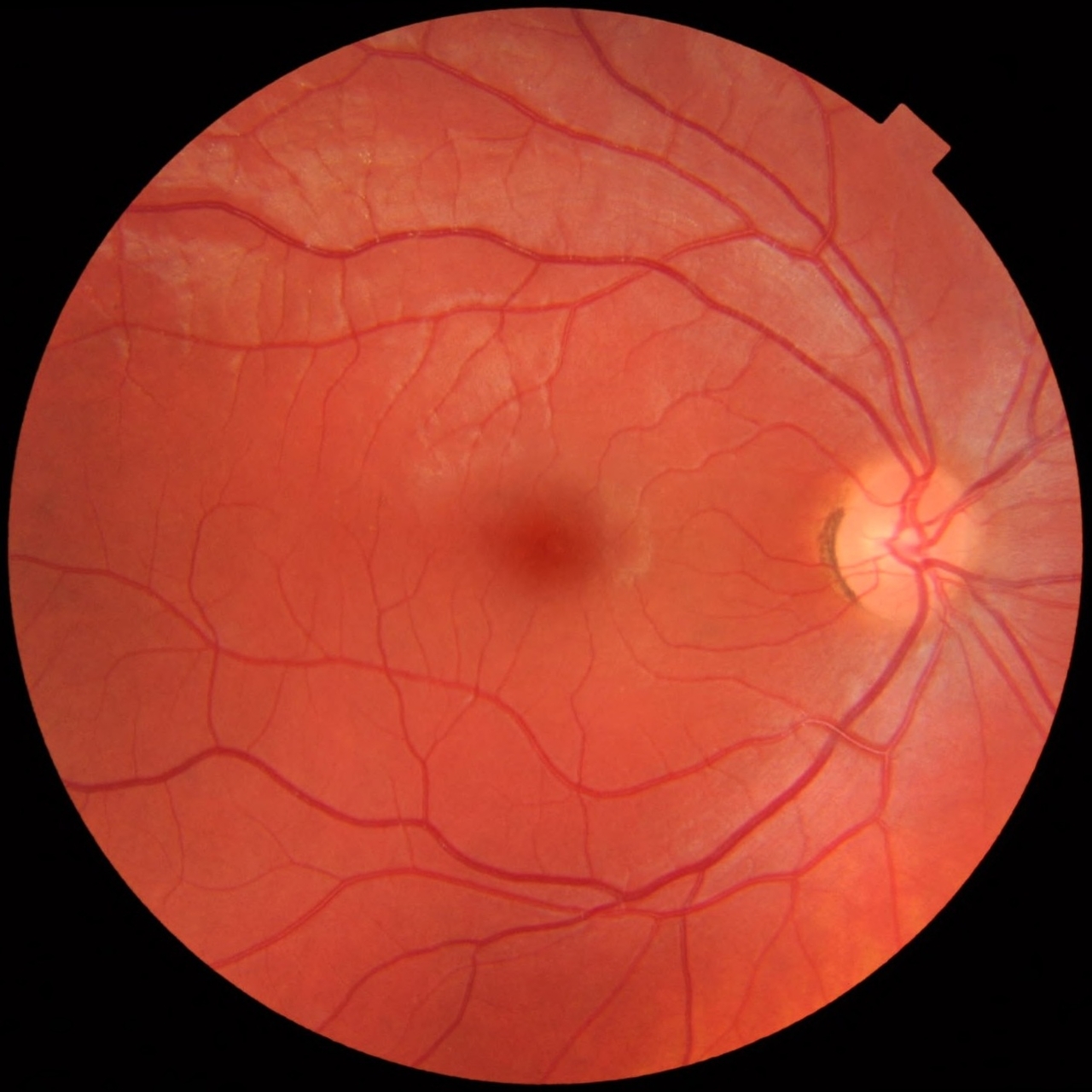
Demenphil applies AI image-analysis technology to this premise, aiming to identify individuals at risk of mild cognitive impairment and dementia quickly and conveniently through an eye examination alone, without additional diagnostic procedures. The company has incorporated explainable AI (XAI), which provides the reasoning behind its judgments, and uncertainty quantification (UQ) technology that calculates prediction reliability, so that results can be verified and used in clinical settings. Though only founded in 2025, the company has already been selected for the TIPS R&D program, earning recognition for its technological capabilities.
Voinosis turned its attention to the signals hidden in the human voice. Founded in 2019 by Shin Jeong-eun, an otolaryngologist by training, the company provides a service that analyzes subtle biomarkers in speech using medical-grade voice big data and AI technology to predict and manage dementia at an early stage.
The company recently received investment from Daewoong Pharma and has since introduced its service at Classic500 and the Hanam Care Center. Building on the data it has accumulated, Voinosis established a US subsidiary to pursue overseas expansion and is strengthening partnerships with companies in the United States, Japan and elsewhere, broadening its service scope along the "early detection → management and rehabilitation → treatment" continuum. Though Demenphil and Voinosis take different approaches, both share the same underlying goal: moving the point of dementia intervention from after symptoms worsen to the stage of detecting early warning signs.
Beyond medication, other answers are being sought through electronic medicine and AI for management and rehabilitation. Another pillar of dementia response is slowing the disease's progression and preserving patients' function for as long as possible — through technologies that intervene in brain function by means other than drugs, or that support rehabilitation of the language and cognitive abilities that tend to decline with dementia.
Neurogreen was co-founded in 2021 by Kim Seon-gwang, a professor at Kyung Hee University's College of Korean Medicine, and Jeong Ji-hun, a professor at Chungbuk National University's College of Medicine. The company is introducing a new device-based approach to dementia treatment, a field that has long been dominated by pharmaceuticals.
Neurogreen's focus is cerebrospinal fluid circulation and the accumulation of waste products in the brain. In a healthy brain, metabolic waste is cleared through the glymphatic and cerebrospinal fluid circulation systems, but in patients with dementia or cerebrovascular disease, this cleansing mechanism may not function properly — an insight that underpins the company's work.
The company has developed a wearable electronic medicine device called CEROGRIN that stimulates the vagus nerve to promote cerebrospinal fluid circulation, facilitate the removal of waste from the brain, and induce improvements in cognitive function. Neurogreen describes this as a kind of "brain-cleaning" mechanism that improves the brain's internal environment through autonomic nervous system regulation.
After confirming the concept in animal studies, the company moved to develop the electronic medicine device for human application. Following investigator-initiated clinical trials in healthy volunteers, it recently completed an exploratory clinical trial in patients with vascular dementia. The company is now preparing for a large-scale confirmatory trial and, based on its preclinical and clinical research, published two papers in SCI-indexed international journals this year.
Mal Science Playground has integrated AI into language and cognitive rehabilitation for dementia patients. Founded in 2024 by Lee Yun-jin, who holds expertise in speech-language pathology and a doctorate in Korean medicine, the company operates an AI-powered language rehabilitation platform called Neurotalk. At its core is a proprietary speech recognition engine specialized for disordered speech — developed to accurately recognize the speech of patients with language disorders, which standard speech recognition technology struggles to process — achieving a recognition accuracy of 89.58 percent under certified testing standards. The platform also automates five clinical language therapy techniques so that patients can continue training on their own even when a therapist is not present.
The company is currently pursuing Class 1 medical device registration, while separately running a Class 2 digital therapeutics clinical trial targeting post-stroke dysarthria as an indication. The underlying technology has completed domestic patent registration and PCT international filing, and the company is also preparing field validation trials at skilled nursing facilities in the United States.
"The language function of dementia patients deteriorates rapidly when left unused," said Lee, the company's chief executive. "Our goal is to go through medical device registration and clinical trials so that patients with language disorders and their families can access high-quality training anytime, anywhere — and to reach the stage where the platform is actually being used at dementia care centers and long-term care facilities."
Even as early detection and management and rehabilitation technologies advance, the ultimate goal in the dementia field remains the development of treatments that target the disease's underlying causes. South Korean biotech startups are also taking on the challenge of developing innovative drugs for Alzheimer's and other neurodegenerative diseases.
Illimis Therapeutics develops Alzheimer's drug candidates targeting amyloid beta, based on its proprietary GAIA (GAS6-mediated anti-inflammatory adapter) platform. Founded in 2021 by Park Sang-hun, the company has completed a Series B funding round and won the 2023 Seoul-BMS Innovation Square Challenge. It has expanded its global footprint by moving into Eli Lilly's Lilly Gateway Labs and establishing a US subsidiary.
Cureverse, a research spinoff from the Korea Institute of Science and Technology, develops small-molecule drugs targeting intractable neurological diseases including Alzheimer's disease, Parkinson's disease and multiple sclerosis. Co-led by Cho Seong-jin and KIST researcher Park Ki-deok, the company was founded in 2021 and is currently conducting a pre-IPO funding round with a target of listing in the first half of next year.
Its lead pipeline candidate, CV-01, has completed a domestic Phase 1 trial and secured a clinical study report, confirming strong safety, predictable pharmacokinetics and applicability in elderly patients. The company has since initiated a Phase 1b trial in Europe and is preparing regulatory submissions with the goal of entering a domestic Phase 2a trial for Alzheimer's disease in the second half of next year. In 2024, it signed a license-out agreement with Italian pharmaceutical company Angelini Pharma worth about 500 billion won ($372 million), demonstrating the global commercialization potential of South Korean brain disease drug startups.
Detecting warning signs in retinas and voices, managing and rehabilitating patients' function with electronic medicine and AI, targeting the disease itself with innovative drugs — the six companies at Seoul Bio Hub start from different points but are heading in the same direction. Their shared aim is to transform dementia from a condition simply accepted as part of aging into one that can be detected earlier, managed and treated.
No single technology can solve the dementia problem on its own. The more different technologies advance across the full continuum — from prediction and diagnosis to management, rehabilitation and treatment — the broader the range of options available to patients and clinicians. How the challenge mounted by the biotech and healthcare startups gathered at Seoul Bio Hub will reshape South Korea's dementia-response ecosystem remains to be seen.
kty@heraldcorp.com