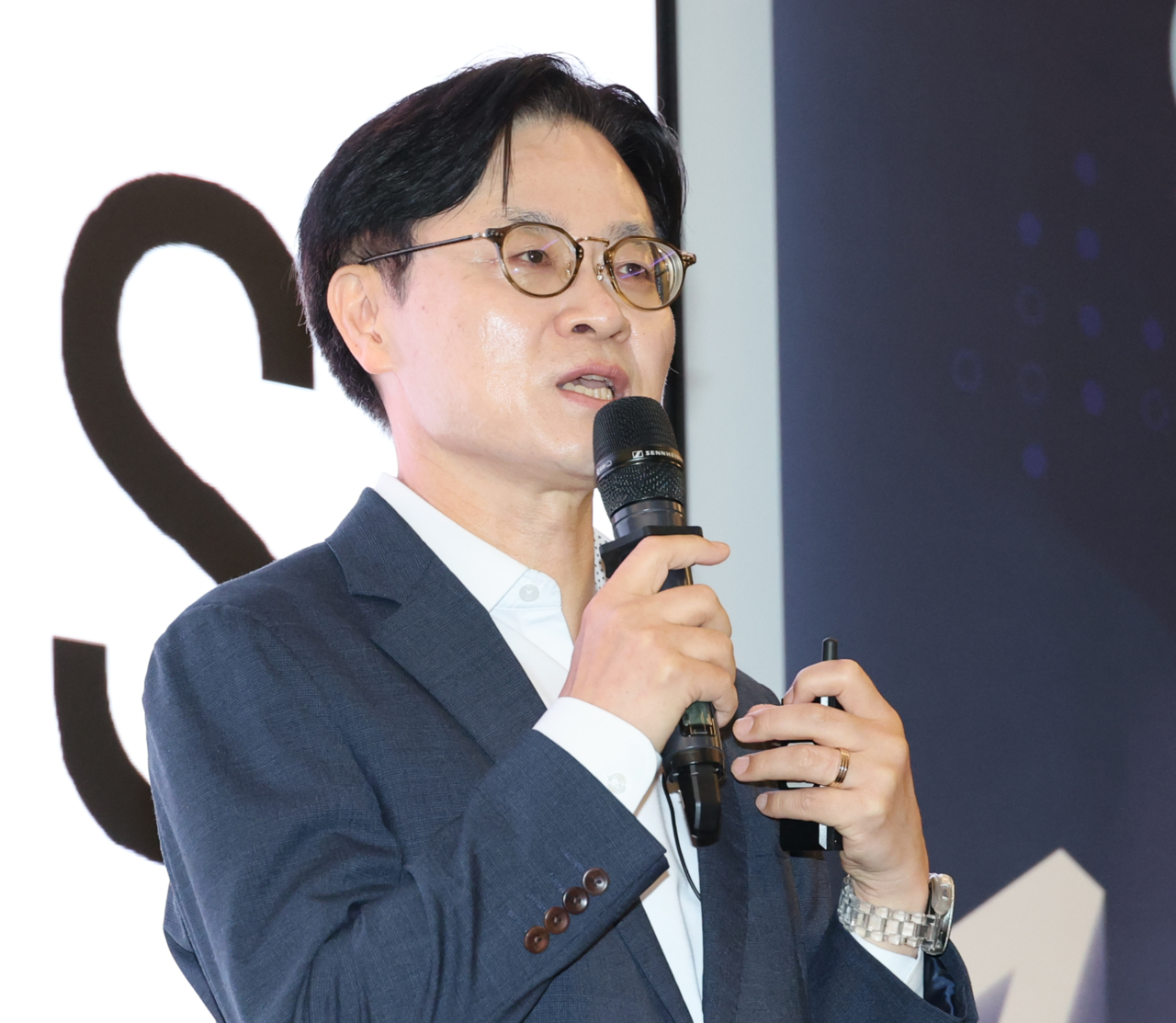
Im Jae-man shares candid views at press briefing Tuesday
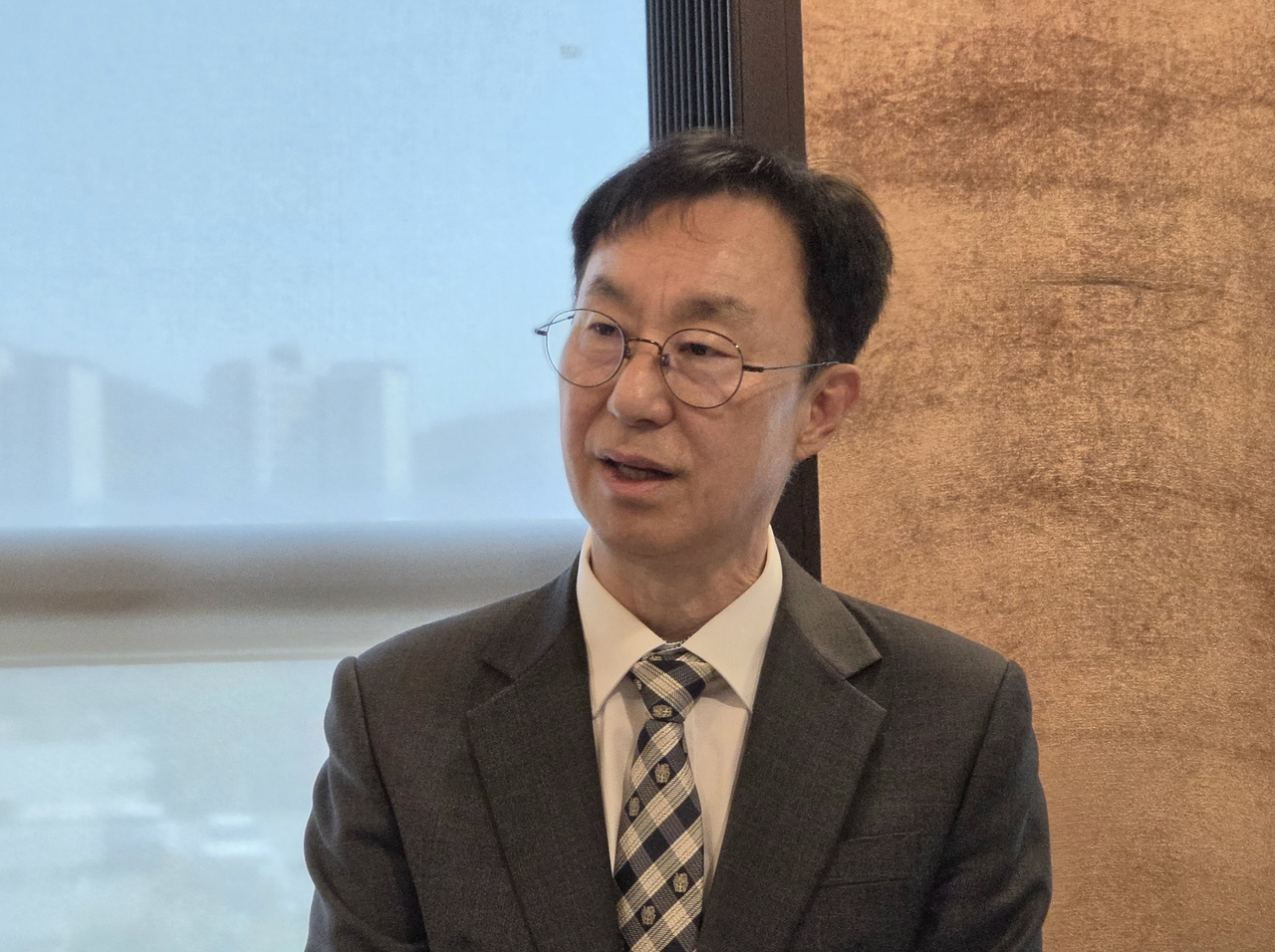
"If we just build and build because there aren't enough homes in the Greater Seoul area, aren't we essentially telling people in the regions to come live in Seoul? That could well be the case. These things are deeply contradictory."
Im Jae-man, president of the Korea Research Institute for Human Settlements, shared those candid views Tuesday at a press briefing with reporters covering the Ministry of Land, Infrastructure and Transport. Since taking office, Im said, he has been carefully examining the institute's founding charter, which calls for balanced national development and improving the quality of life for citizens. He suggested that the current push to maximize housing supply — sometimes described as "just build, no excuses" — does not sit well with the policy goal of balanced regional development.
He went on to say there are multiple ways to define housing stability — whether as price stability, affordability or security of tenure — and that there is no shortage of difficult questions to work through. "I think tenure security, affordability and adequacy of living conditions are three concepts that must be part of housing stability," Im said. "The top priority is balanced national development, and housing stability must be pursued by supplementing and refining that policy."
Im added that after years of thinking about how to stabilize the housing market, he had one day realized that microeconomic policies alone could never do it. "That is why I place such importance on balanced national development," he said. He noted that even with large-scale homebuilding, it was unclear whether supply could keep pace with demand as long as resources kept concentrating in the Greater Seoul area. "Competition in education is fierce, and there are people paying absurd jeonse prices in Daechi-dong just because of schooling," he said. "Housing prices are high wherever hagwon clusters form. Unless those structural problems are reformed, housing stability will remain out of reach — that is why I keep coming back to balanced national development."
On the government's five-hub, three-special-zone regional development policy, Im said the institute is studying how to connect hub cities, intermediate centers and rural and fishing communities within a 60-minute travel radius. He also said research is underway on a second round of public institution relocations — identifying candidate agencies and determining which destinations would best complement existing industrial bases and maximize the impact of the moves. He added, however, that the institute is not discussing where any specific institution should go.
Im also said government support for the institute has expanded starting this year, easing financial pressures, and that he plans to run the organization with a focus on raising research quality and producing work with strong policy applications.
"In the two and a half months since I took office, I have met broadly with institute staff," Im said. "I intend to operate under a completely revamped system to raise research quality." He said research findings must reach both policymakers and the public if the institute is to maximize its policy impact, and pledged to concentrate on four priorities: strengthening institutional capacity, overhauling the evaluation system, improving quality and broadening the dissemination of research results.
smh@heraldcorp.com