'Smart Food Waste Management and Surplus Meal Donation Service' to run for one month from October at four schools in partnership with a local food bank
Students and staff earn carbon-neutrality points for clean plates; untouched surplus meals are packaged as dosirak and delivered to vulnerable residents
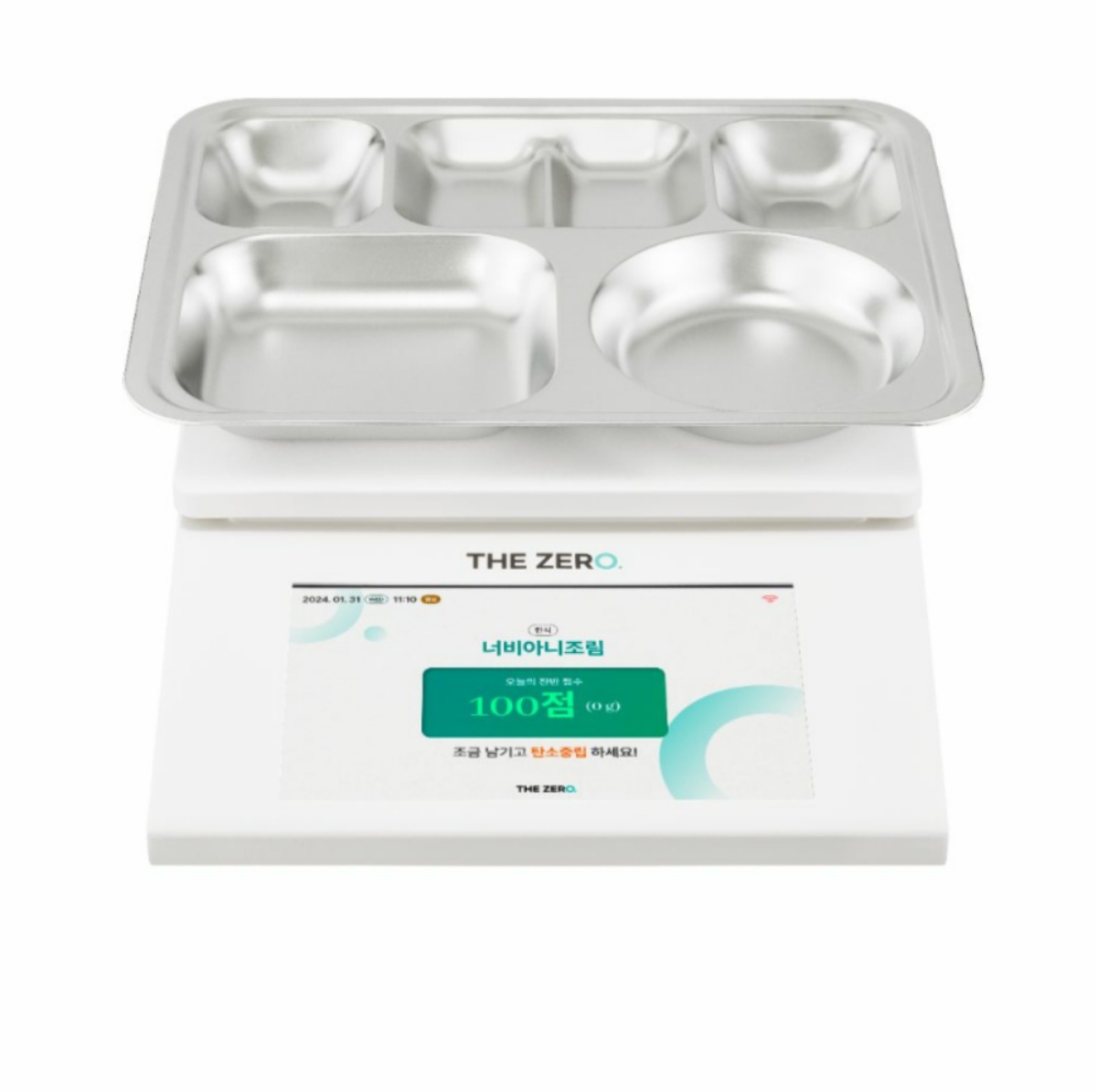
Seoul's Seongdong-gu will launch a "Smart Food Waste Management and Surplus Meal Donation" project in October as part of its ESG grant program, aiming to reduce cafeteria food waste at local schools while redirecting untouched surplus meals to neighbors in need.
The project is led by social venture firm The Zero, selected through the 2026 "Seongdong-type ESG Practice Grant Program." It represents an innovative effort to address two goals at once — reducing food waste in response to the climate crisis and providing meals to vulnerable residents in the community.
Seongdong-gu has already completed coordination with four local schools to participate in the project and is finalizing operational details with a local food bank that will receive surplus meals from the schools and distribute them to those in need.
The smart food waste management system, which will run for one month starting in October, works by having students and staff scan their trays on a smart device after meals; the system then measures leftover food in real time through data analysis. Trays with less than 60 grams of food waste qualify as "zero waste," earning the user 100 won in carbon-neutrality points per meal to encourage voluntary reduction of food waste.
Alongside this, a surplus meal donation service will also launch in October, converting clean, cooked meals that were never served into a community resource. Surplus meals prepared on the day are transported to food banks within Seongdong-gu via refrigerated vehicles using a cold-chain system. They are then hygienically portioned and packaged the same day and delivered as warm dosirak to vulnerable residents in the district.
The Seongdong-type ESG Practice Grant Program was first launched in 2022, making Seongdong-gu the first local government in the country to pursue ESG expansion through a competitive grant model. Now in its fifth year, the program has selected 14 projects across ESG categories for 2026 — including the smart food waste and surplus meal donation project, a household waste recycling initiative, a work-experience project connecting companies with youth, and a cheerleading program for adolescents with developmental disabilities called "Boom Boom Cheer Up!! Seongdong Stars" — all to run through November.
Seongdong-gu District Mayor Yoo Bo-hwa said the project is "a meaningful ESG practice model in that the effort to reduce food waste at school goes beyond cutting carbon emissions and extends into sharing with neighbors." She added that the district would "continue to discover Seongdong-type ESG practice cases that link advanced technology with welfare so that both the environment and the community can feel the benefits of positive change."
seouldream01@heraldcorp.com