HEV specializes in wire harness production for Hyundai and Kia, and has expanded into electric vehicle and serving robot components, with subsidiaries in Vietnam and Mexico. The company has received support from TIPA's growth ladder program for prototyping, technology transfer and certification.
Automotive electronics parts maker HEV is broadening its business into components for electric vehicles, robots and energy storage systems, driving steady revenue growth. According to publicly available audit reports, the company's sales rose from 17.9 billion won ($13.3 million) in 2024 to 25.5 billion won last year.
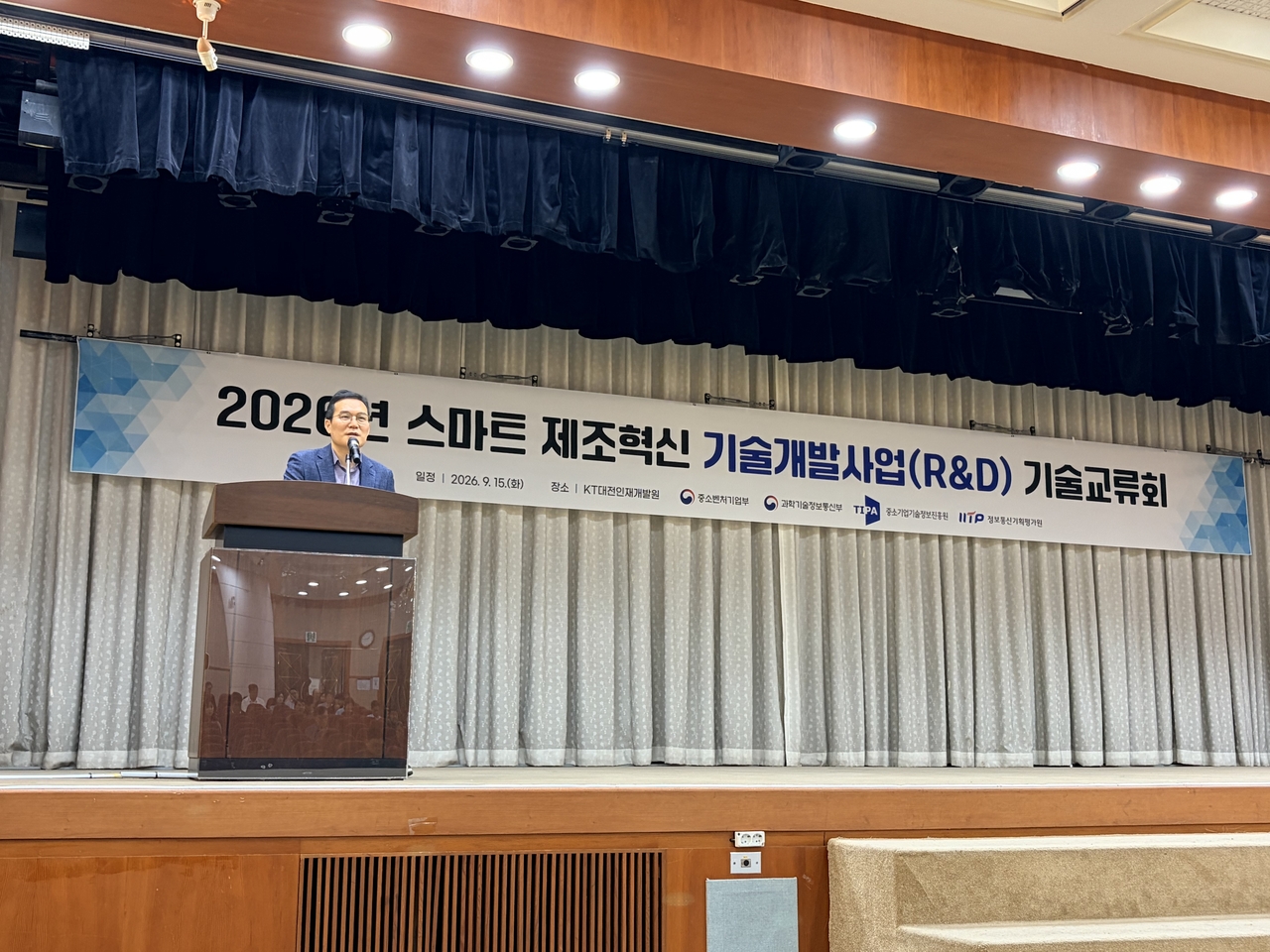
Korea Technology and Information Promotion Agency for SMEs said Tuesday that TIPA President Kim Young-shin visited HEV's facility in Sejong on Monday to review the company's technology development progress and overseas market expansion.
Founded in 1993, HEV is a small and medium-sized enterprise that produces wire harnesses — components that supply power and transmit electrical signals to automotive sensors, fuel pumps and motors. The company supplies parts to Coavis and Hyundai and Kia, among others.
More recently, HEV has developed wire harness components for electric vehicles and serving robots, including deliveries to LG Electronics, extending its customer base beyond traditional automakers into broader mobility sectors. Through its in-house corporate research institute, the company has also established a mass production system for ESS wire harness components.
Overseas, HEV has set up subsidiaries in Vietnam and Mexico to expand its production and supply chain. The company plans to combine domestic technology development with its overseas manufacturing bases to grow its global parts supply.
HEV has received support under the Ministry of SMEs and Startups and TIPA's "regional key industry development" growth ladder program, covering marketing, prototype development, technology transfer, product upgrading, and intellectual property and certification.
The company said sales rose 56.7 percent compared with before it joined the regional specialization support program, reaching 25.5 billion won, while its workforce grew 104.3 percent to 143 employees. Publicly available audit reports show 2025 sales of 25.5 billion won, up from 17.9 billion won in 2024.
"We will continue to pursue technological advancement and overseas market expansion to build a core component production system for the future mobility market and further strengthen our global supply chain," said Kim Sun-hee, chief executive of HEV.
TIPA President Kim Young-shin said HEV "is a regional company that has achieved step-by-step growth by linking the growth ladder support program with its selection as a leading super-regional enterprise," adding that TIPA would "support the competitiveness of regional companies by connecting technology development, commercialization and overseas expansion."
hong@heraldcorp.com