Press conference calls for withdrawal of Saengok incinerator plan
'City pushed incinerator despite knowing Eco Delta City was planned'
Mayor pledges to release project records, hold community dialogue
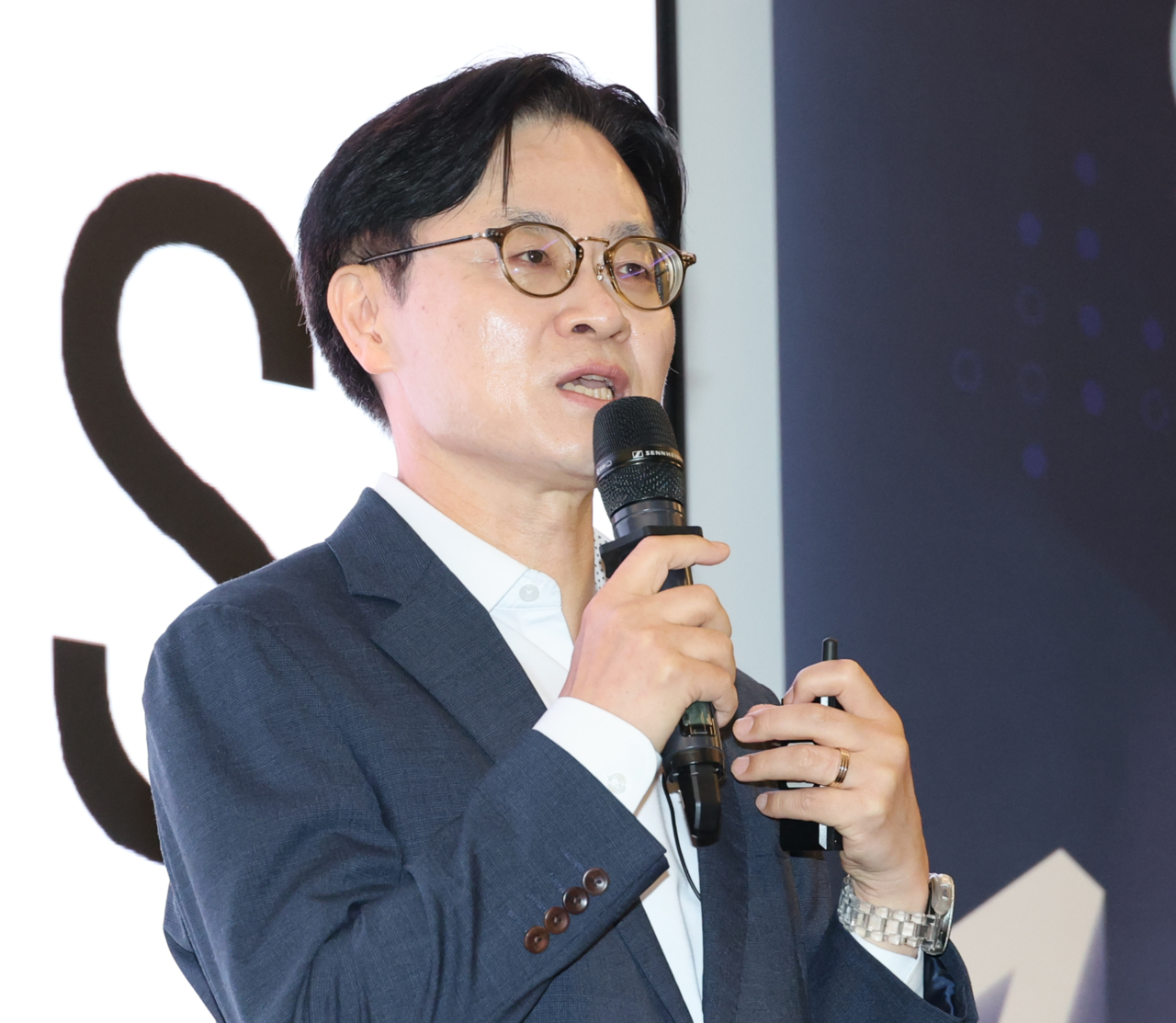
![People Power Party Lawmaker Kim Do-eup, who represents Busan's Gangseo-gu, holds a press conference opposing the Saengok incinerator project at the Busan City Council briefing room Wednesday afternoon. [BUSAN = Jung Hyung-ki]](https://wimg.heraldcorp.com/news/cms/2026/09/16/news-p.v1.20260916.a9baa640c1414acc9301b5f2d505204b_P1.jpg)
People Power Party Lawmaker Kim Do-eup, who represents Busan's Gangseo-gu, held a press conference at the Busan City Council briefing room Wednesday afternoon, urging the city government to abandon its push to build an incinerator in the Saengok area.
Kim said Busan Mayor Jeon Jae-soo officially revived the Saengok incinerator project at a weekly policy meeting on Sept. 3, just one day after telling Kim at a budget policy consultation that the plan had been scrapped and that an alternative site was being pursued. "His position reversed 180 degrees overnight," Kim said.
"It is common sense that unwanted facilities cannot be pushed through unilaterally when residents oppose them," Kim said. "Each of Busan's 16 districts and counties must take responsibility for its own waste. Gangseo can no longer serve as the waste disposal site for all of Busan."
Kim also released a separate document rebutting 14 arguments the city has used to justify pressing ahead with the incinerator. On the city's characterization of the 91 billion won ($67.2 million) spent relocating Saengok residents as a sunk cost, Kim rebuffed the claim, saying the relocation decision was made in 2017 while the incinerator site was not selected until 2020 — two separate decisions made at two separate times.
The city has argued that developing the Janghang and Yulli villages — the alternative site Kim proposed — would take 15 years. Kim pushed back, saying that Eco Delta City, a project spanning 11.78 million square meters and worth 7 trillion won, took 17 years to complete. "It is simply not credible that a project covering 59,400 to 66,000 square meters would take 15 years or more," he said.
Kim particularly took issue with the city's position on the timing of Eco Delta City's pre-sales. The city argued that its announcement of the Saengok incinerator site selection plan in September 2019 predated the first Eco Delta City resident recruitment notice in October 2021 by two years, and that there was therefore no problem. Kim countered that housing construction plans for Eco Delta City had already been incorporated into the district-unit plan approved in 2014. "Did the city not push the incinerator knowing full well that a large-scale residential complex was going in?" he asked.
Kim called for Mayor Jeon to attend in person a community briefing scheduled for Monday. He criticized the city for promising a dialogue at a town hall meeting but then notifying him that only the director of the environmental and water policy office would be sent to the briefing.
Meanwhile, Mayor Jeon said at a town hall meeting with residents on Monday that it was not accurate to portray him as reversing a plan that had been scrapped after he took office. "I will release all administrative records covering the project's progress, suspension and review since 2017, and I will arrange a separate forum to communicate with residents," he said.
kaf2002@heraldcorp.com