China passengers up 23% through August
Shanghai, Beijing, Hangzhou slots draw fierce competition
First traffic rights expansion in 7 years to strengthen LCC networks

With this year's international aviation traffic rights distribution now complete, Parata Air and Eastar Jet have secured a large share of China route slots, accelerating their expansion of international networks. As tourism between South Korea and China surges on top of existing business demand, China routes have emerged as highly profitable, raising expectations that both carriers will see meaningful improvements to their bottom lines.
According to the aviation industry, the most hotly contested route in the Ministry of Land, Infrastructure and Transport's traffic rights distribution held Wednesday was the Incheon–Shanghai route. More airlines applied for that slot than any other, with Incheon–Beijing and Incheon–Hangzhou following close behind.
Southeast Asia fades as China rises — first traffic rights expansion in 7 years

The rush to secure China's key routes reflects a sharp rise in passenger demand. According to Ministry of Land, Infrastructure and Transport aviation statistics, international passenger traffic reached 68.43 million from January through August this year, up 9.8 percent from the same period last year. China routes accounted for 13.61 million of those passengers — a 23 percent increase and the highest growth rate among all major country routes.
Demand on China routes is expanding rapidly, driven not only by existing business travel but also by surging tourism between the two countries. Chinese demand for travel to South Korea has grown partly due to tensions between China and Japan, and transit traffic through South Korea is also on the rise.
By contrast, Southeast Asian routes — long the bread-and-butter market for South Korean low-cost carriers — have been underperforming. Passenger numbers on Vietnam routes fell 5.1 percent year-on-year in the January–August period, while the Philippines and Thailand saw declines of 13.7 percent and 13.0 percent, respectively. The slowdown in Southeast Asia is one reason low-cost carriers are increasingly turning their attention to China.
This round of traffic rights distribution was designed to expand supply on South Korea–China routes in line with the recent surge in demand. The two countries had earlier agreed through bilateral aviation talks to increase traffic rights for the first time in seven years, since before the COVID-19 pandemic in 2019. As a result, the Incheon–Shanghai route was expanded from 56 to 63 weekly frequencies, Incheon–Beijing from 38 to 52, and Incheon–Hangzhou from 10 to 14, opening the door to additional capacity on major China routes.
Industry officials expect the distribution to reshape competition on China routes, as traffic rights restrictions had previously made it difficult for new carriers to break into the market. The Ministry of Land, Infrastructure and Transport said it allowed new airlines to enter major China routes in this round to promote competition and expand consumer choice.
Parata secures 5 Incheon routes, Eastar 4 — 'profitability improvement expected'

The standout carriers in this year's China route traffic rights competition were Parata Air and Eastar Jet. Parata Air led all airlines with five Incheon-origin China routes secured this year, followed by Eastar Jet with four.
Parata Air had already obtained rights to fly from Incheon to Shenzhen, Chengdu and Chongqing in the April distribution, and this month added Shanghai and Hangzhou. The airline will be permitted to operate both the Shanghai and Hangzhou routes four times a week. It plans to launch its first China service with the Incheon–Shenzhen route in November.
Parata Air said it plans to aggressively expand its China route strategy on the back of the newly secured rights. Shanghai is China's largest commercial city, offering strong demand from both business and leisure travelers. Hangzhou is a hub for the IT and e-commerce industries and home to tourist attractions including West Lake. The city's high-speed rail connections to the Yangtze River Delta — one of China's leading economic regions — are also seen as a key advantage.
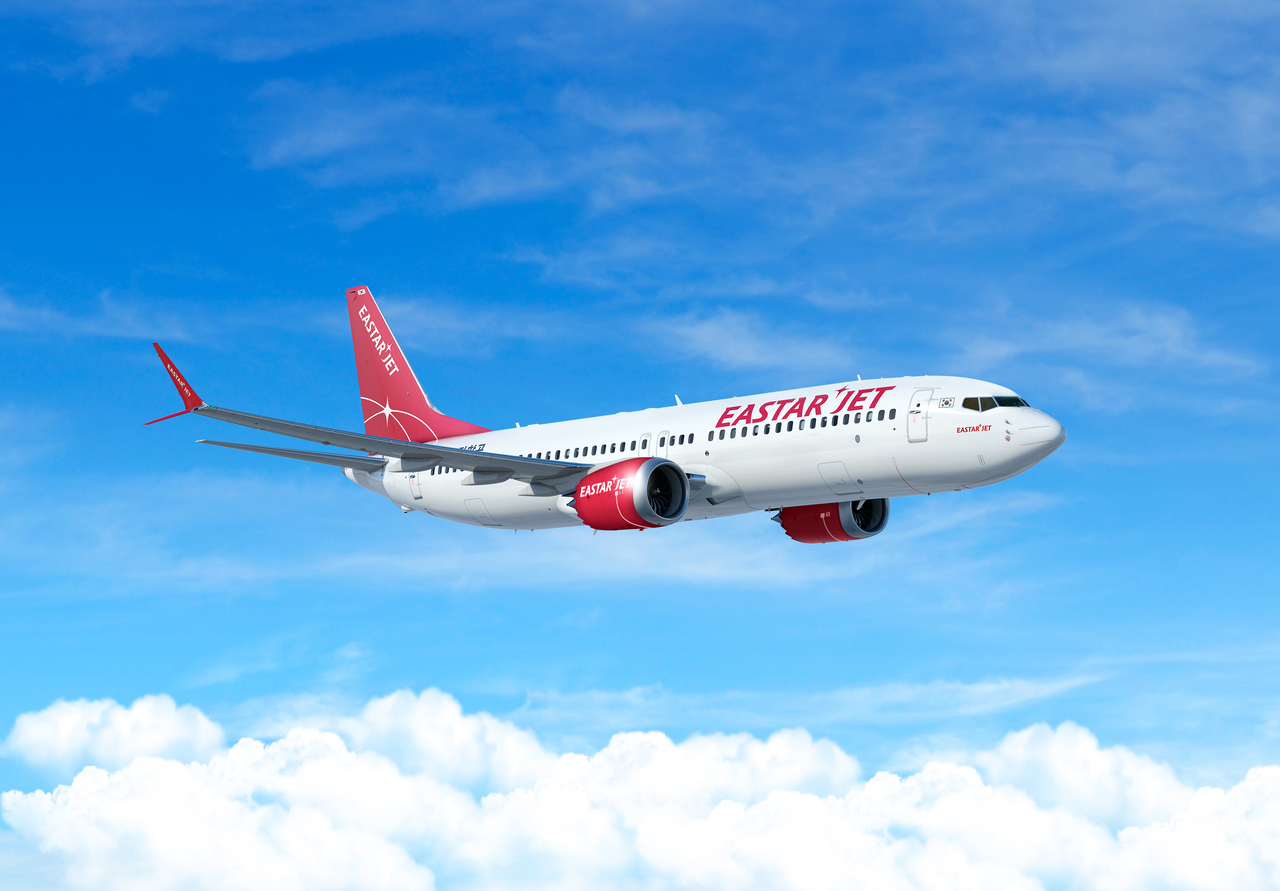
Eastar Jet also significantly expanded its China network. After securing rights to Xiamen and Hohhot in April, the airline this month added Beijing and Nanjing. By obtaining rights to fly to Beijing seven times a week on top of its existing Shanghai service, Eastar Jet now has routes connecting both of China's two largest cities.
Eastar Jet currently operates five Greater China routes from Incheon — Shanghai, Zhengzhou, Yantai, Hohhot and Hong Kong. Foreign passengers on its Greater China routes surged 204 percent year-on-year, contributing to the airline's efforts to attract Chinese tourists to South Korea.
The airline is also moving to expand its sales network in China. Eastar Jet has partnered with Fliggy, the travel platform of China's Alibaba Group, to drive demand from Chinese visitors to South Korea and boost regional tourism. Fliggy is a major Chinese online travel platform with about 500 million members. The two companies agreed to cooperate on expanding ticket sales from China to South Korea, running joint regional tourism promotions, and marketing Eastar Jet and South Korean travel content.
Jeju Air received rights to fly Incheon–Beijing seven times a week, Incheon–Changsha four times a week, and Muan–Shanghai three times a week. Air Premia secured rights to operate the Incheon–Shanghai route three times a week.
"Competition among airlines was fierce as a large number of key China routes were up for distribution," an aviation industry official said. "With low-cost carriers having posted widespread losses in the first half of the year due to high fuel costs and a weak won, they are expected to use China routes as a foundation for improving profitability."
eyre@heraldcorp.com