Bang Yun-seong proposes continuous vulnerability checks, incident reporting and threat sharing as priority measures; UMV Technology signs MOU with Kazakhstan's AGTECH for localized security software
As AI-powered cyberattacks grow increasingly sophisticated, calls are mounting for companies and public institutions to strengthen their security capabilities and overhaul related laws and regulations. As AI adoption accelerates, vulnerability management and incident-response frameworks must be reinforced in tandem, experts say.
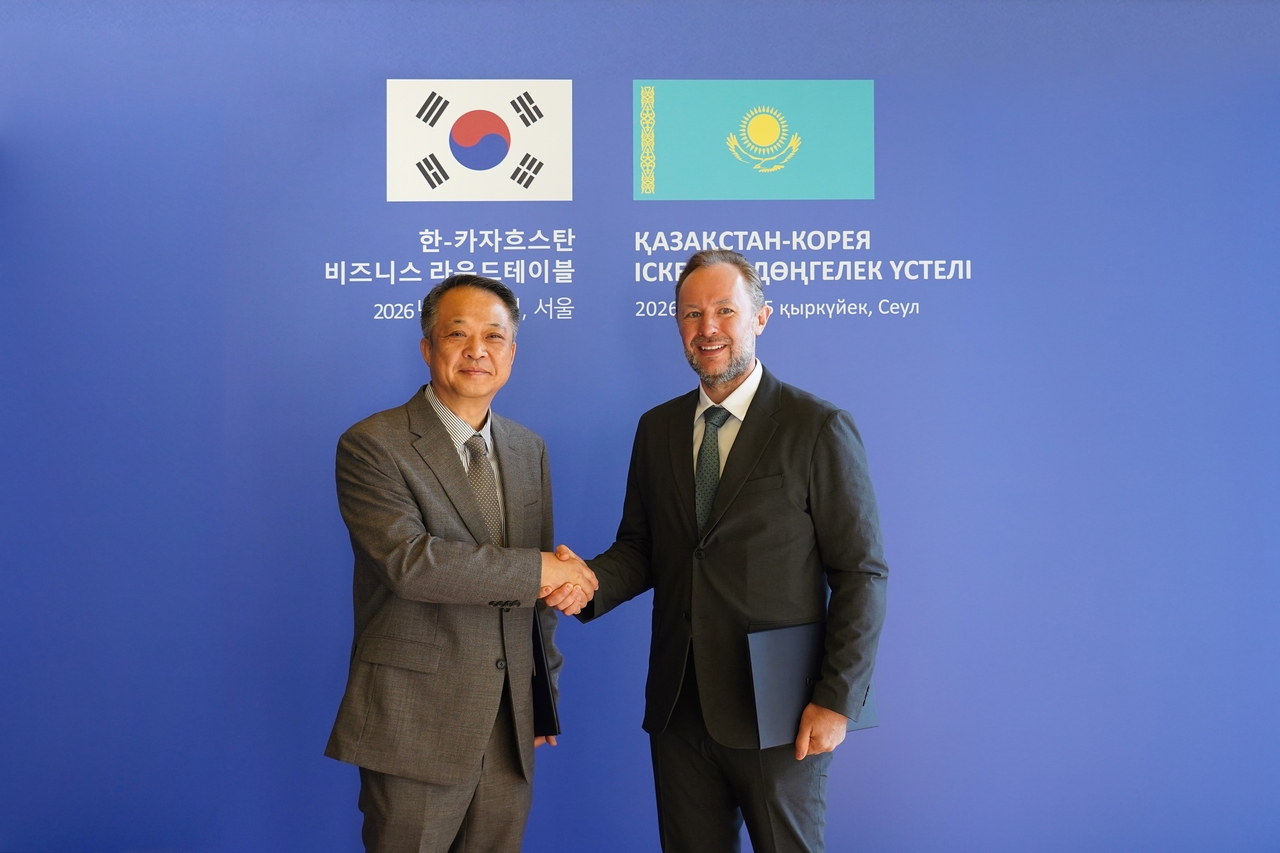
Bang Yun-seong, CEO of UMV Technology, made the case at the Korea-Kazakhstan Business Roundtable held Tuesday in Seoul on the sidelines of a Korea-Kazakhstan summit. "As the speed and scale of AI-driven attacks expand, we must move quickly to strengthen our security preparedness," Bang said. "Alongside technological development, it is urgent to establish security standards that work in practice and to clarify legal accountability."
Bang identified continuous vulnerability checks and security updates for critical systems, mandatory incident reporting, and threat-intelligence sharing as top priorities. He said security responsibilities should be clearly defined for AI developers, service operators and user organizations alike, with inspection and verification standards calibrated to risk level. He added that small and medium-sized enterprises, which tend to have fewer security personnel and smaller budgets, need dedicated technical support.
"Security regulations should be designed to verify whether they can actually detect attacks and contain the spread of damage," Bang said. "We need to move quickly to review the scope and overlaps in existing legislation and to codify the necessary security obligations and support mechanisms into law."
Overseas cybersecurity authorities have also warned that advances in AI could shorten the window available to respond to cyberattacks. Canada's Centre for Cyber Security said in June that advanced AI could accelerate the discovery and exploitation of vulnerabilities. The United Kingdom's National Cyber Security Centre has similarly projected that AI could amplify the scale and impact of cyber intrusions by 2027.
UMV Technology also signed an MOU with Kazakhstan's AGTECH on Tuesday for local technology cooperation. The two companies plan to develop security software tailored to Kazakhstan's operating environment and technical standards.
"For South Korea to earn trust as an AI powerhouse, it must also demonstrate the capability to operate and protect AI safely," Bang said. "We will contribute to strengthening domestic security capabilities and share the AI security technology and operational experience we accumulate in that process with Kazakhstan."
thanks@heraldcorp.com