Shortage of certified 50m pools and training space risks losing promising athletes to other regions
Federation chief proposes unified priority-booking framework covering all 78 Seoul sports bodies
Han River outdoor pools eyed as year-round sports platform to link elite and recreational swimming
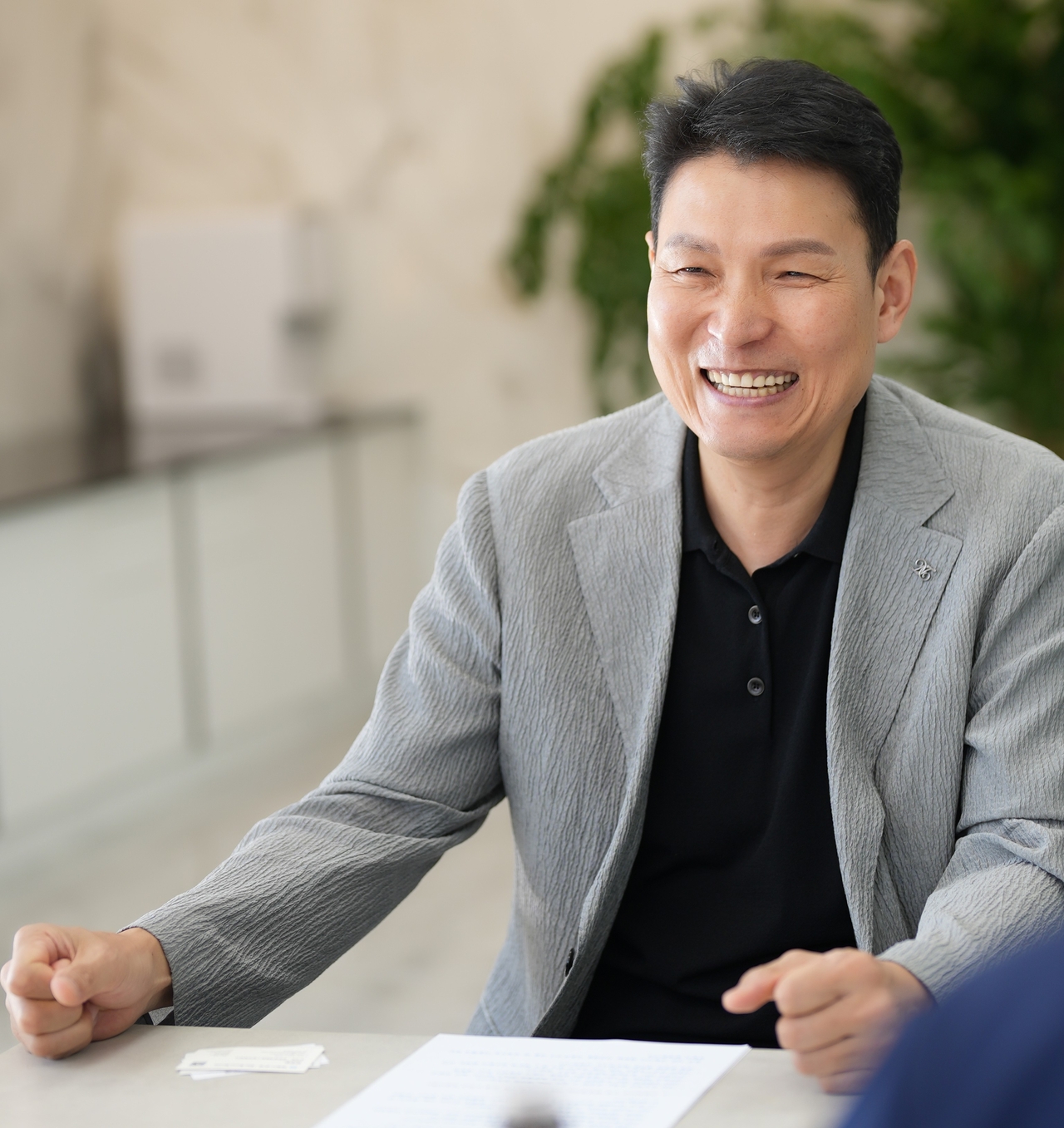
Finding a 50-meter lane where competitive swimmers can train without interruption is no easy task in Seoul, the nation's capital. Public pools are heavily used by ordinary residents, making it difficult for elite athletes to secure dedicated training time — and some promising swimmers end up leaving the city altogether in search of better facilities.
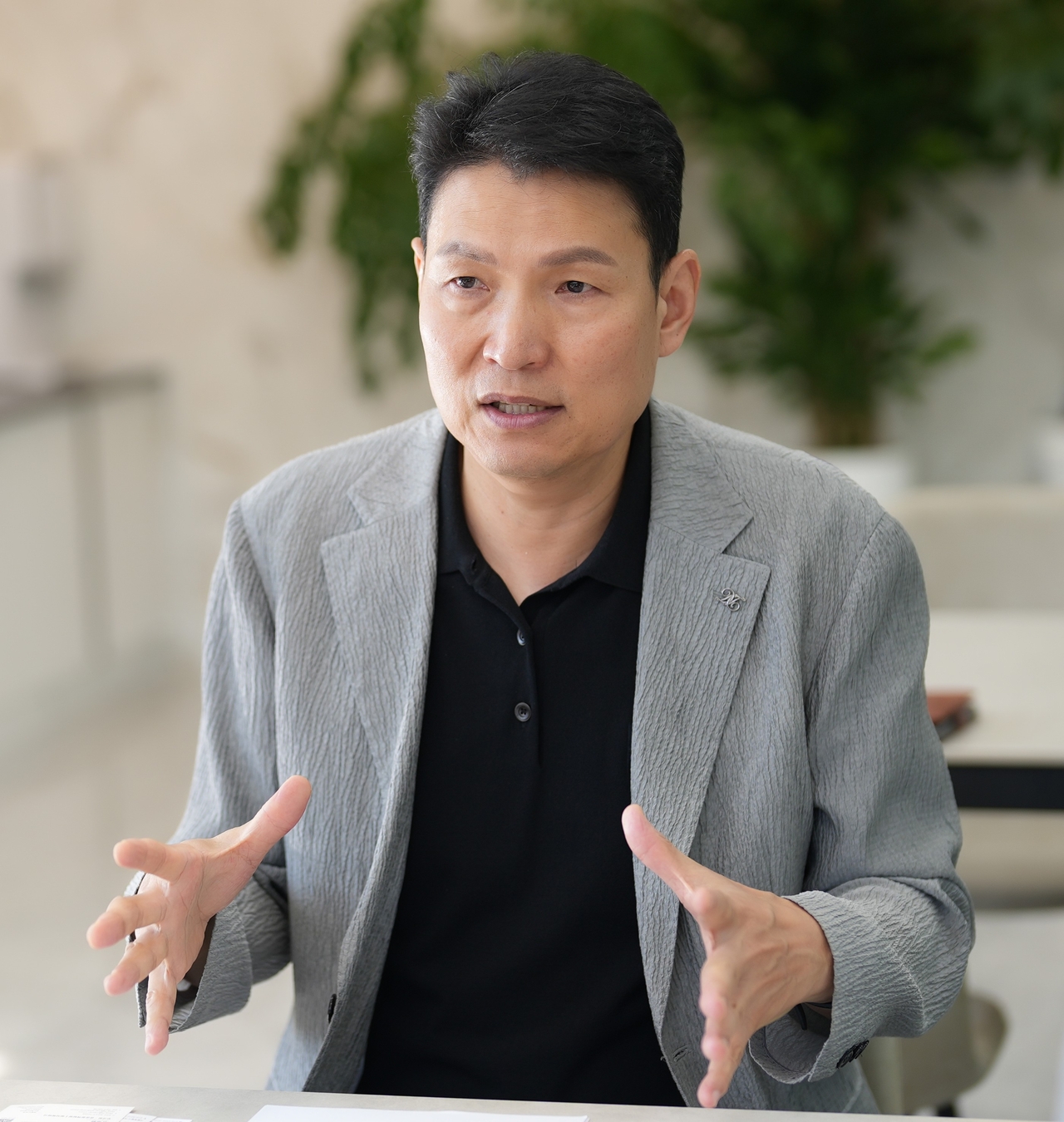
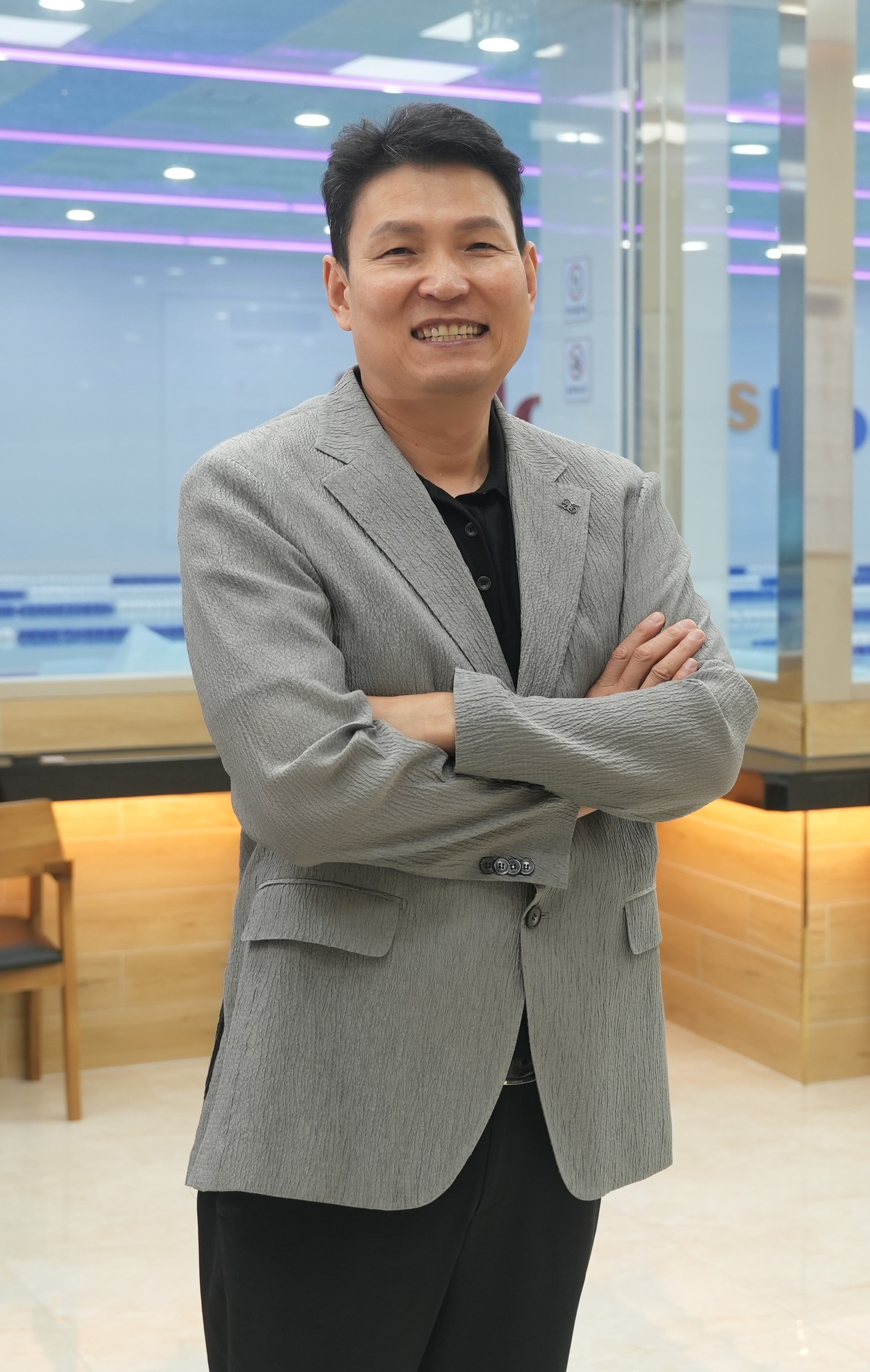
That is why Woo Young-woo, president of the Seoul Metropolitan Swimming Federation, is calling for both an expansion of competition venues and a fundamental overhaul of how public sports facilities are managed.
Speaking in an interview Thursday, Woo identified the shortage of certified 50-meter pools and dedicated training space as the most pressing issues facing swimming in Seoul. He said the problem should not be treated as one sport's concern alone, but as a structural challenge for all 78 member sports associations under the Seoul Metropolitan Sports Council to address together.
Woo described the federation as a grassroots organization connecting school swimming, recreational sports, elite competition and athlete development. Yet he said the infrastructure needed to support a clear pathway — from talent identification through to professional athletes and corporate-sponsored teams — remains inadequate.
A training environment dominated by 25-meter pools is particularly limiting for elite athlete development, he said. In some cases, young athletes who have not had sufficient access to 50-meter lanes in training are forced to adapt to full-length competition conditions only when they arrive at a meet.
High public demand at municipal pools also makes it hard for athletes to secure lanes during the hours they need. The result is that swimmers must either train during restricted windows such as early morning or travel outside Seoul to find suitable facilities.
"You end up with a situation where athletes are developed in Seoul, but their future as professionals is secured somewhere else," Woo said. He said it was essential to build a foundation that allows promising athletes to continue growing within the city.
'Not just a swimming problem' — Seoul needs a facility framework for all 78 sports
The difficulties facing Seoul's swimming community are shared across other sports. The 78 member associations under the Seoul Metropolitan Sports Council each face different circumstances, but all struggle to secure stable space for training, competitions and public participation programs.
Whether the sport is volleyball, basketball, badminton, gymnastics, ice sports or swimming, how to allocate and make the most of limited sports infrastructure is a common challenge.
In response, Woo proposed what he called a "Seoul-style priority booking framework" for public sports facilities — not to give any single organization preferential treatment, but to establish objective criteria for booking priority based on the principles of sports promotion and public benefit.
He argued that official competitions, athlete selection trials, elite training sessions, youth development programs and activities involving Seoul's representative athletes — all organized by member associations of the Seoul Metropolitan Sports Council — differ fundamentally from ordinary private use, and that institutional guidelines should reflect that distinction.
Woo also drew a clear line against any suggestion that a priority booking system would amount to favoritism. He said there is a meaningful difference between granting benefits to a particular organization without any guiding principle and setting booking priorities according to the public purpose of sports promotion.
He outlined three core principles for such a system: objective criteria rather than special privileges; equal application across all sports, not just selected ones; and full transparency that anyone can verify. Under this framework, he said, each association would be better able to plan its annual training and competition schedules with greater certainty.
'Building new isn't the only answer' — year-round use of Han River pools proposed
Expanding competition venues remains an equally important task. Hosting international and national-level swimming events in Seoul and developing athletes systematically will require certified 50-meter pools and sufficient training space.
However, building dedicated new infrastructure for every sport within a short timeframe is not realistic. Woo said a two-track strategy is needed — securing new facilities while also making better use of spaces that already exist.
The idea is to stop treating sports facilities managed by the Seoul Metropolitan Government, its affiliated agencies, the city education office and the Han River Management Headquarters as separate institutional assets, and instead approach them as shared public sports resources for both residents and the sports community.
As a leading example, Woo proposed making the Han River outdoor pools available throughout all four seasons.
Currently concentrated in summer, the Han River outdoor pools could be reimagined as multipurpose spaces accommodating leisure activities for residents, athlete training, water safety education and cultural programming — varying by season and time of day.
In summer, the pools could host family water activities and survival swimming lessons, with cultural programs such as sunset pool events or floating cinema screenings added in the evenings. During the off-season, air-dome structures could be installed over part of the space to allow athlete training and public lessons to continue. In spring and autumn, the venues could host sports experience events and exhibitions organized by member associations.
On concerns that expanding athlete access could limit public use, Woo said the issue can be managed by dividing time and space more precisely — athlete and recreational training alongside aqua fitness in the morning, public water activities and water safety experiences during the day, and cultural evening programs at night.
He said the Han River pools should evolve beyond simply staying open year-round into a "four-season sports platform" that brings together competitive sport, public health and culture.
'Beyond individual grievances, toward one ecosystem' — Seoul's sports structure must change
Ultimately, what Woo called for most strongly was a fundamental shift in how Seoul approaches sports as a whole.
Rather than each sport independently lobbying for its own venues and training space, he said the 78 member associations should be seen as a single sports ecosystem — one in which facilities, athlete development, professional teams and recreational sports are all connected.
He said Seoul needs a system that identifies talent, develops athletes through schools and clubs, supports their growth into elite competitors and then enables them to continue their careers in corporate or professional teams. He also outlined a virtuous cycle in which retired athletes return to the field as coaches, referees or recreational sports specialists.
Elite and recreational sports should not be seen as competing with each other for facilities, he added. When elite sport grows, it gives the public new things to watch and aspire to; when the recreational base expands, it widens the pool from which talented athletes can be discovered.
"Seoul represents the country, and its sports infrastructure should reflect that," Woo said. "The direction Seoul sports must take is to discover and develop athletes here, have them compete here, and build a structure where they grow alongside the city's residents."
7toy7@heraldcorp.com