Samsung Electronics launches 240 billion won HVAC production line at Gwangju campus
Amkor Technology to expand semiconductor back-end factory next month
![Attendees pose for a photo at the groundbreaking ceremony for Flakt Group's HVAC production line at Samsung Electronics' Gwangju campus on Monday. [Provided by Samsung Electronics. Redistribution and DB prohibited]](https://wimg.heraldcorp.com/news/cms/2026/09/22/rcv.YNA.20260921.PYH2026092112480001300_P1.jpg)
Two global companies operating on opposite sides of the same road are set to pour large-scale investment into Gwangju.
Samsung Electronics has broken ground on a new HVAC production line for Flakt Group at its Gwangju campus, while Amkor Technology, a world-leading semiconductor back-end processing company, is set to begin expanding its Gwangju factory next month.
Amkor is drawing particular attention as it weighs additional large-scale investment plans on top of an already-announced 1 trillion won ($723 million) commitment. With semiconductor production volumes surging on the back of a global industry boom, the expansion is also expected to generate synergies with the AI and semiconductor industries that Gwangju has been pushing as strategic sectors.
Samsung Electronics has launched a 240 billion won investment to transform its Gwangju campus into a key production hub for AI data center cooling and air-conditioning systems.
The investment marks the largest expansion of production facilities at the Gwangju campus since it was established in 1989 — 37 years ago. It is expected to broaden the site's manufacturing scope beyond its traditional focus on home appliances such as refrigerators and air conditioners into cooling and air-conditioning systems central to AI data centers.
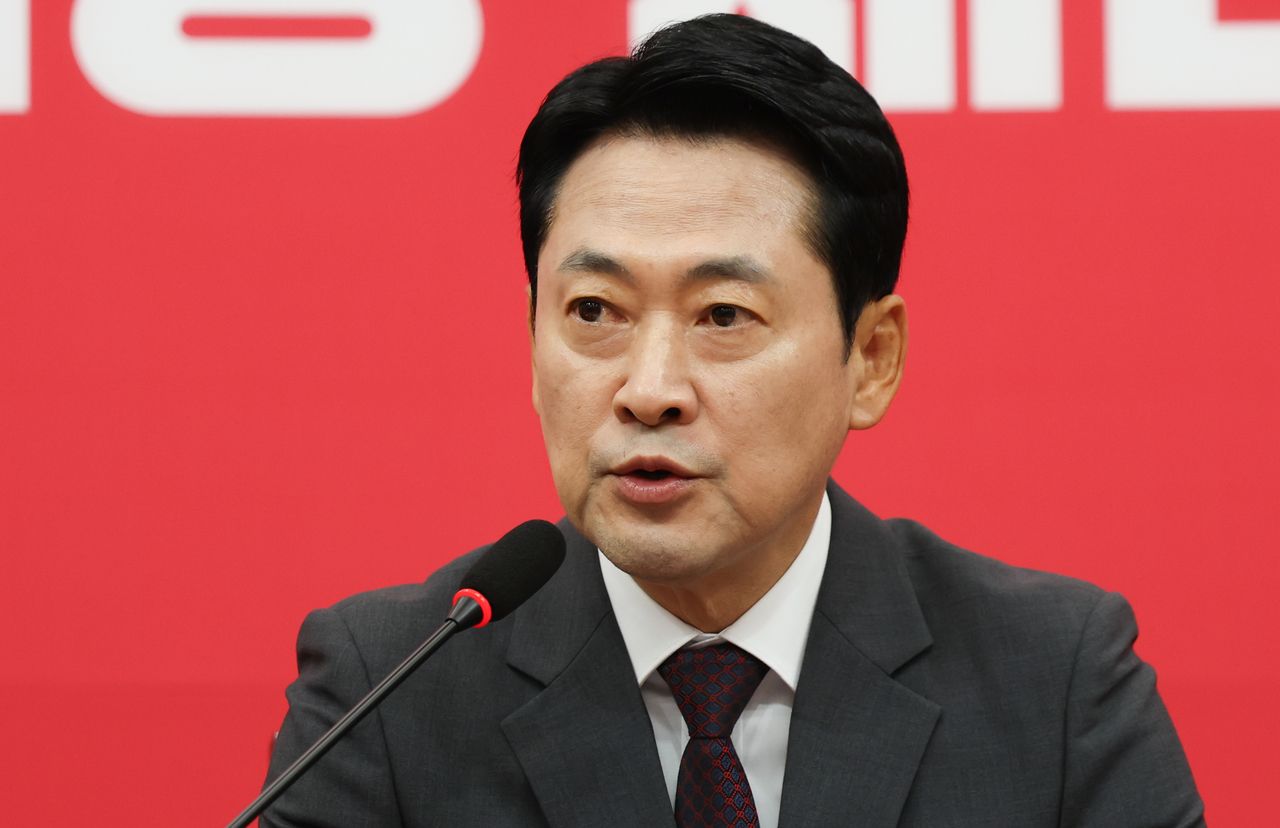
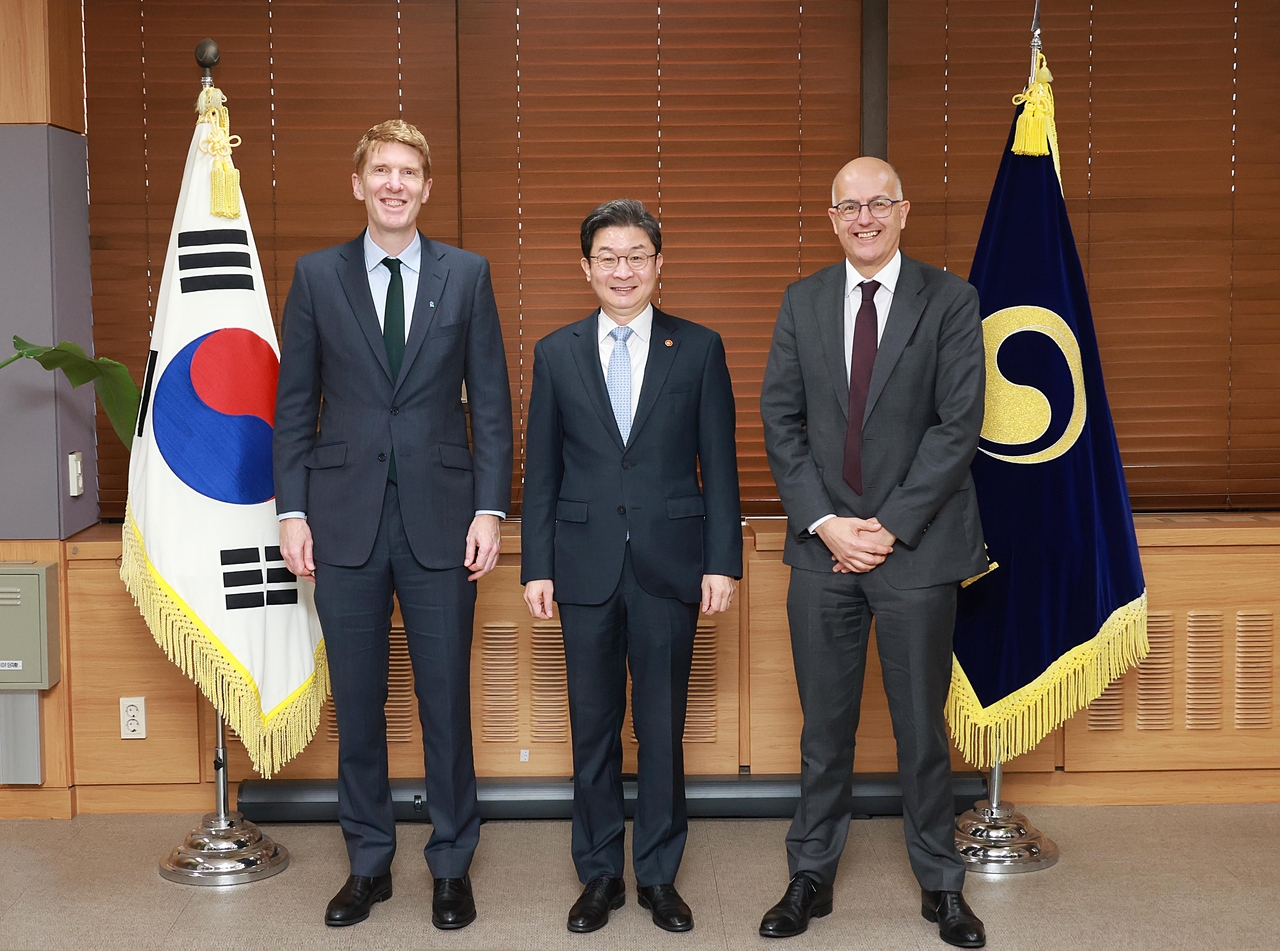
Samsung Electronics held a groundbreaking ceremony for the "Flakt Group HVAC Production Line" at Campus 3 of its Gwangju campus in Oryong-dong, Buk-gu on Monday. The event was attended by Samsung Electronics Device Experience Division President Roh Tae-moon, Flakt Group Chief Financial Officer Tobias Ketele, Gwangju Mayor Min Hyeong-bae and Democratic Party of Korea Gwangju chapter Chairman Ahn Do-geol.
The new factory will be Flakt Group's 15th production base worldwide. It is scheduled to begin operation in early 2028 and will serve air-conditioning demand from AI data centers, advanced manufacturing facilities including semiconductor and battery plants, and large commercial buildings across South Korea and East Asia.
The facility will produce key cooling and central air-conditioning equipment, including coolant distribution units, fan wall units, computer room air handlers and air handling units for large buildings — all critical to managing heat generated by AI data centers. As AI adoption raises the stakes for reliable data center cooling technology, the Gwangju campus is set to become an East Asian hub for producing such equipment.
Samsung Electronics expects the new factory to create more than 300 jobs.
"Gwangju is the ideal location for growing the advanced air-conditioning business," Roh said. "We will combine Samsung Electronics' manufacturing capabilities built up in Gwangju, the region's talented workforce and industrial ecosystem, and Flakt Group's expertise in air-conditioning to secure global competitiveness."
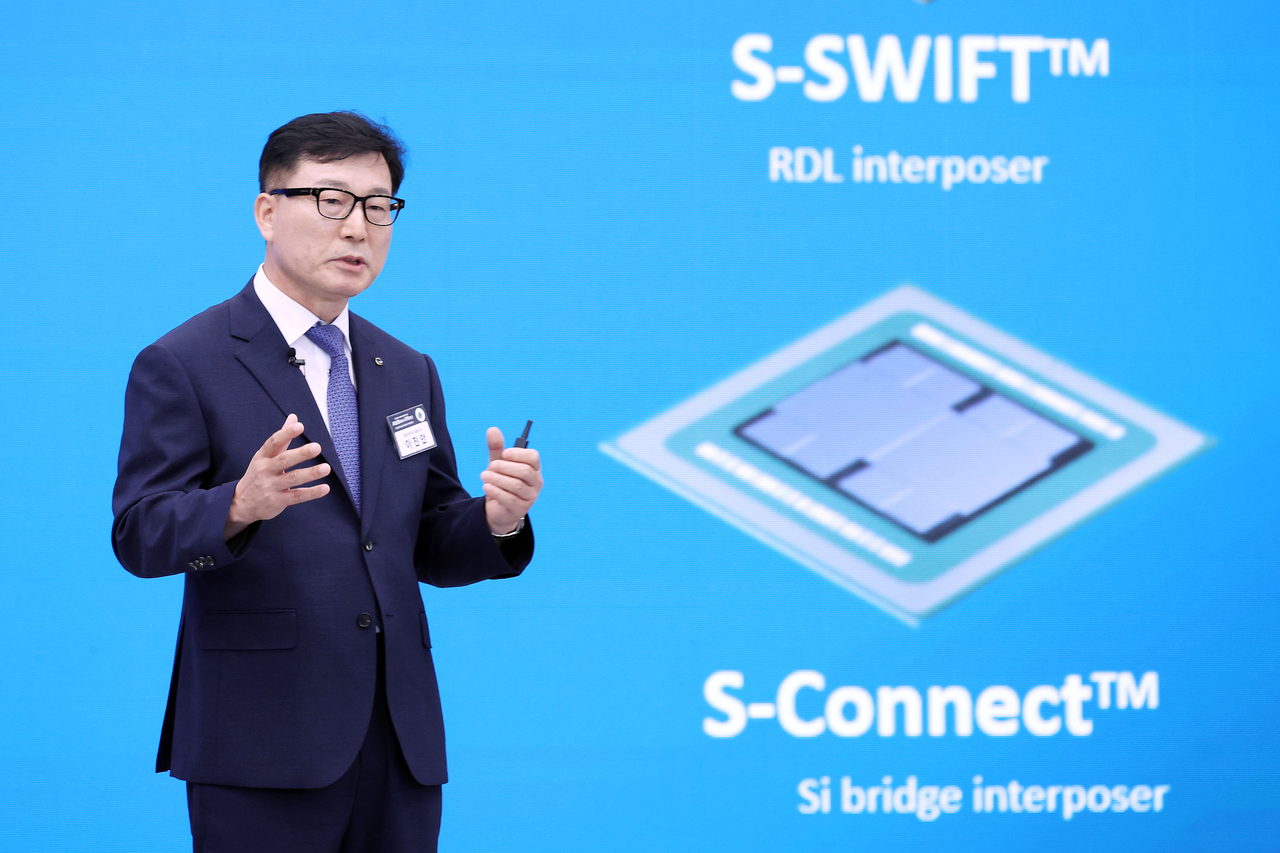
Amkor Technology has resolved a wastewater treatment problem that had long been a sticking point, raising expectations that the company will move forward with investment in Gwangju.
The Gwangju metropolitan government and Jangseong-gun signed an MOU on semiconductor wastewater treatment at the Muan government complex on Friday to support Amkor Technology Korea's semiconductor factory investment.
The two local governments agreed to work together to resolve the wastewater treatment issue, which had been identified as a major obstacle to expanding Amkor's semiconductor factory. The development stands in contrast to 2022, when Amkor shelved its Gwangju investment plans and instead expanded its production lines in Vietnam.
Amkor announced in June a plan to add six factory buildings on idle land within its Gwangju factory in the Cheomdan district of Buk-gu and to expand the site in phases through 2035.
The city had drawn up a plan to link the expansion's wastewater treatment needs to the No. 1 Gwangju Sewage Treatment Plant, but that facility had in effect reached its capacity limit, creating an additional wastewater treatment problem.
The city then proposed routing the wastewater through Jangseong-gun's public wastewater treatment facility. Jangseong-gun agreed, leading to the MOU signing.
The two local governments plan to build the infrastructure needed to handle wastewater generated during semiconductor manufacturing in time to match Amkor's large-scale investment, and to establish an administrative support framework.
They agreed to build wastewater treatment facilities on a schedule that keeps factory operations on track, and to cooperate throughout the entire process — from permits and construction to future operation and management.
"Through this agreement, we will focus our efforts on expanding essential infrastructure and providing administrative support to ensure Amkor's investment proceeds without a hitch," Gwangju Mayor Min said.
sij@heraldcorp.com