Board of Audit and Inspection issues proactive consultation ruling, saying relaxed non-farm income threshold can be applied before amended law takes effect
Ministry of Agriculture, Food and Rural Affairs expects to finalize eligible recipients by October; payments to reflect increase from 37 million won to 47 million won
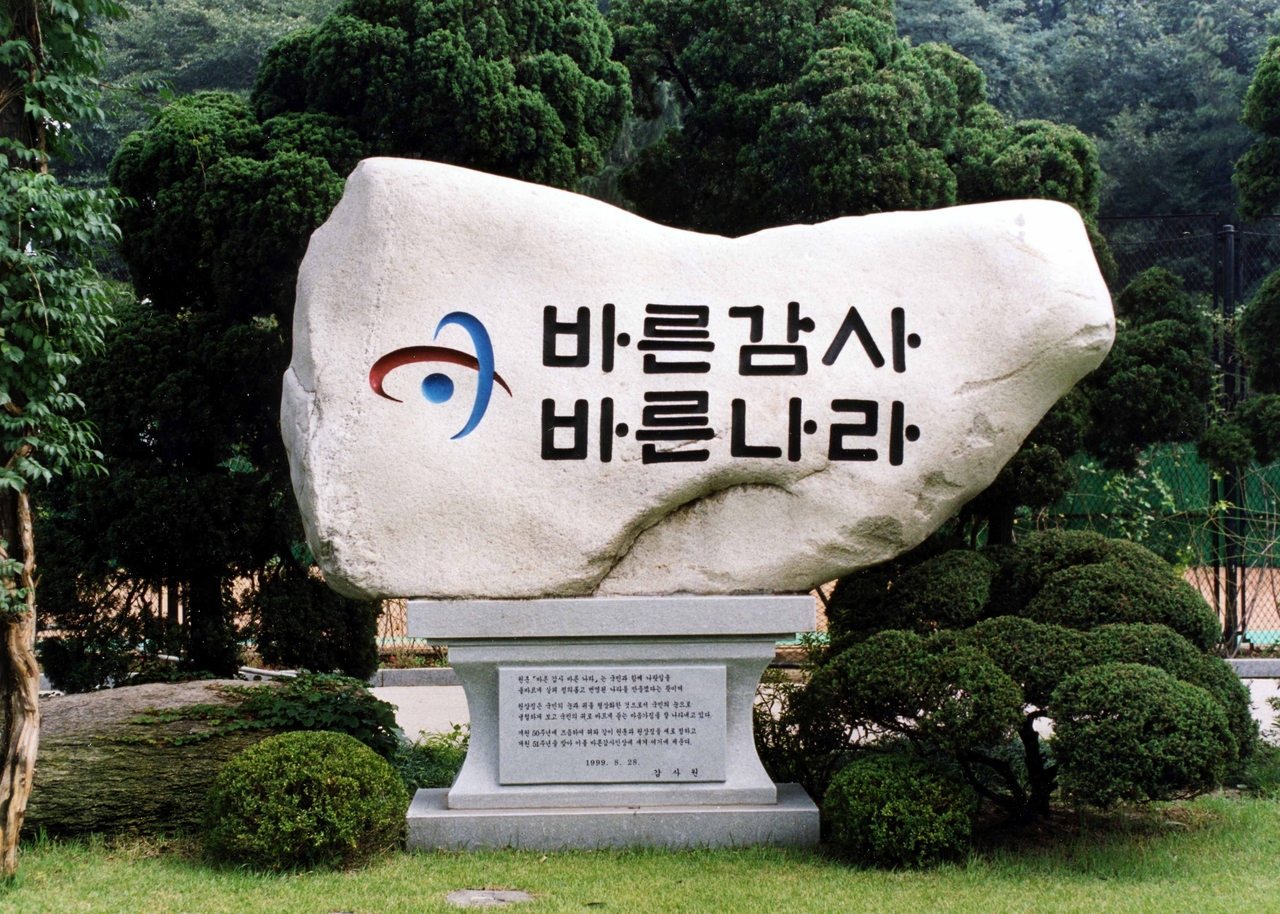
The Board of Audit and Inspection has ruled that farmers who already applied for this year's basic public-interest direct payment subsidy can receive benefits under the relaxed non-farm income threshold — even before the amended law formally takes effect.
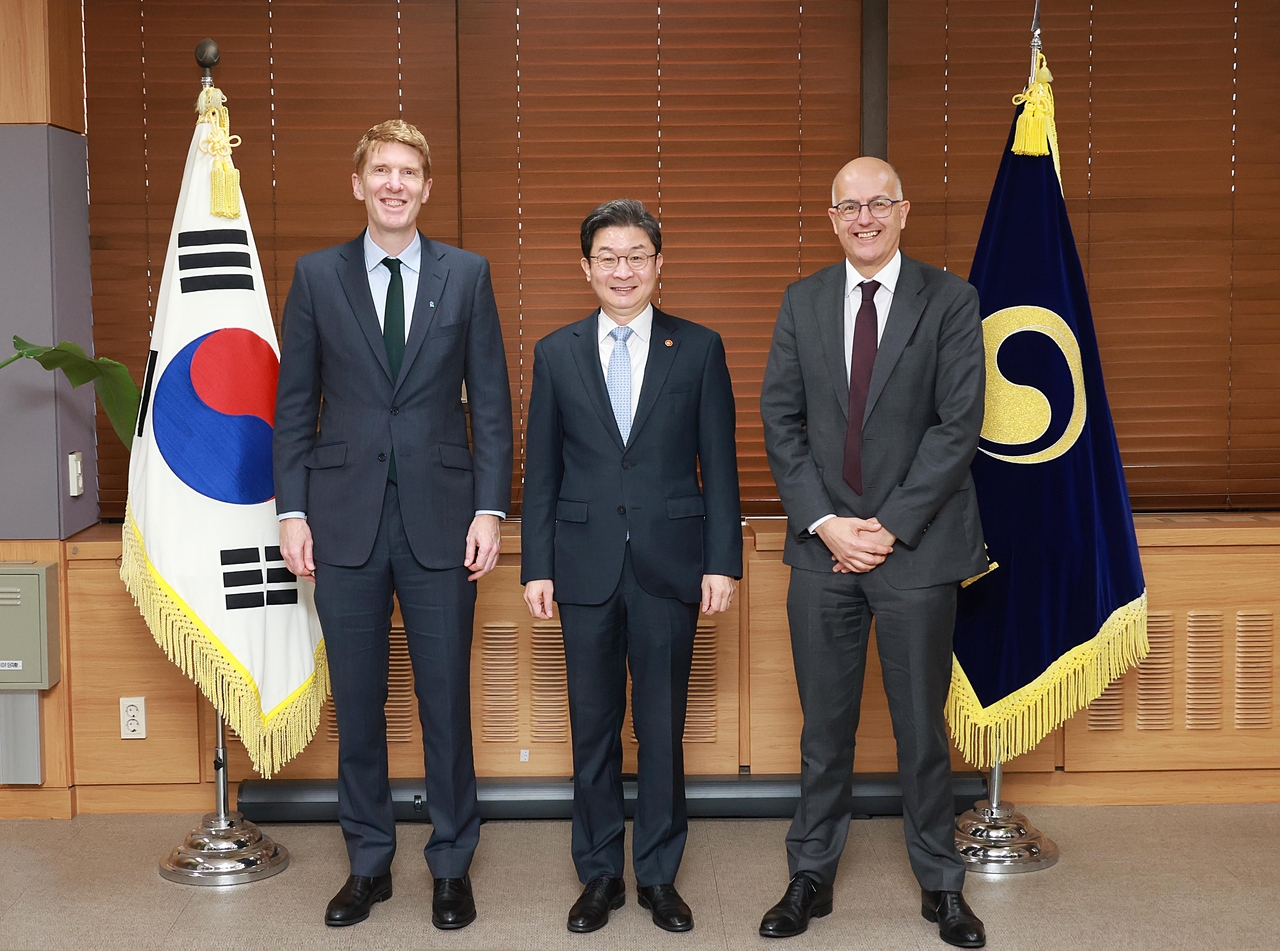
The board announced Tuesday that it had reviewed a proactive consultation request from the Ministry of Agriculture, Food and Rural Affairs on whether the relaxed eligibility criteria could be applied ahead of the law's effective date. It concluded that the ministry may finalize the list of eligible recipients using the revised non-farm income ceiling of 47 million won ($34,000) before the amended law takes effect.
The ministry has paid the basic public-interest direct payment subsidy to farmers whose non-farm comprehensive income falls below a set threshold, in order to stabilize agricultural incomes. That threshold had stood at 37 million won since the subsidy regime was introduced in 2009, but critics argued it had failed to keep pace with rising prices and incomes. In response, the government amended the Agriculture and Rural Community Public Interest Direct Payment Act on May 12 to raise the ceiling to 47 million won.
The complication lay in the law's effective date. A supplementary provision (Article 1) set the date as six months after promulgation — Nov. 13 — while a separate application clause (Article 2) stipulated that the revised non-farm income standard would apply to registrations submitted on or after Jan. 1, 2026.
To issue payments within the year, the ministry must finalize and notify eligible recipients and amounts by October, before the law takes effect. Because this year's applications were submitted between March and May — before the amendment passed — the ministry sought the proactive consultation after becoming uncertain whether the relaxed criteria could legally be applied to those filings.
The board determined that under Article 14, Paragraph 2 of the Administrative Framework Act, a different standard from the law in force at the time of a disposition may be applied when a statute contains a special provision — and that the application clause in this amendment's supplementary provisions constitutes exactly such a provision.
The board also noted that during the National Assembly review process, the original wording "applications submitted after the law takes effect" was changed to "applications submitted on or after Jan. 1, 2026," indicating that the legislative intent was to cover all applications filed this year. It further clarified that the amendment expands the pool of subsidy recipients and therefore does not constitute a retroactive application of provisions unfavorable to the public.
The board accordingly issued the opinion that "the Ministry of Agriculture, Food and Rural Affairs may finalize and notify eligible recipients for the 2026 direct payment subsidy applications submitted before the amended law's effective date, using the revised eligibility criterion of a non-farm income ceiling of 47 million won."
As a result of the ruling, farmers who applied for this year's subsidy will be able to receive payments under the relaxed standard — in sequential disbursements in November and December — even before the amended law formally takes effect.
sunpine@heraldcorp.com