KAMA seminar urges National Assembly to pass battery ownership bill
Subscription, leasing and diagnostics among new business models discussed
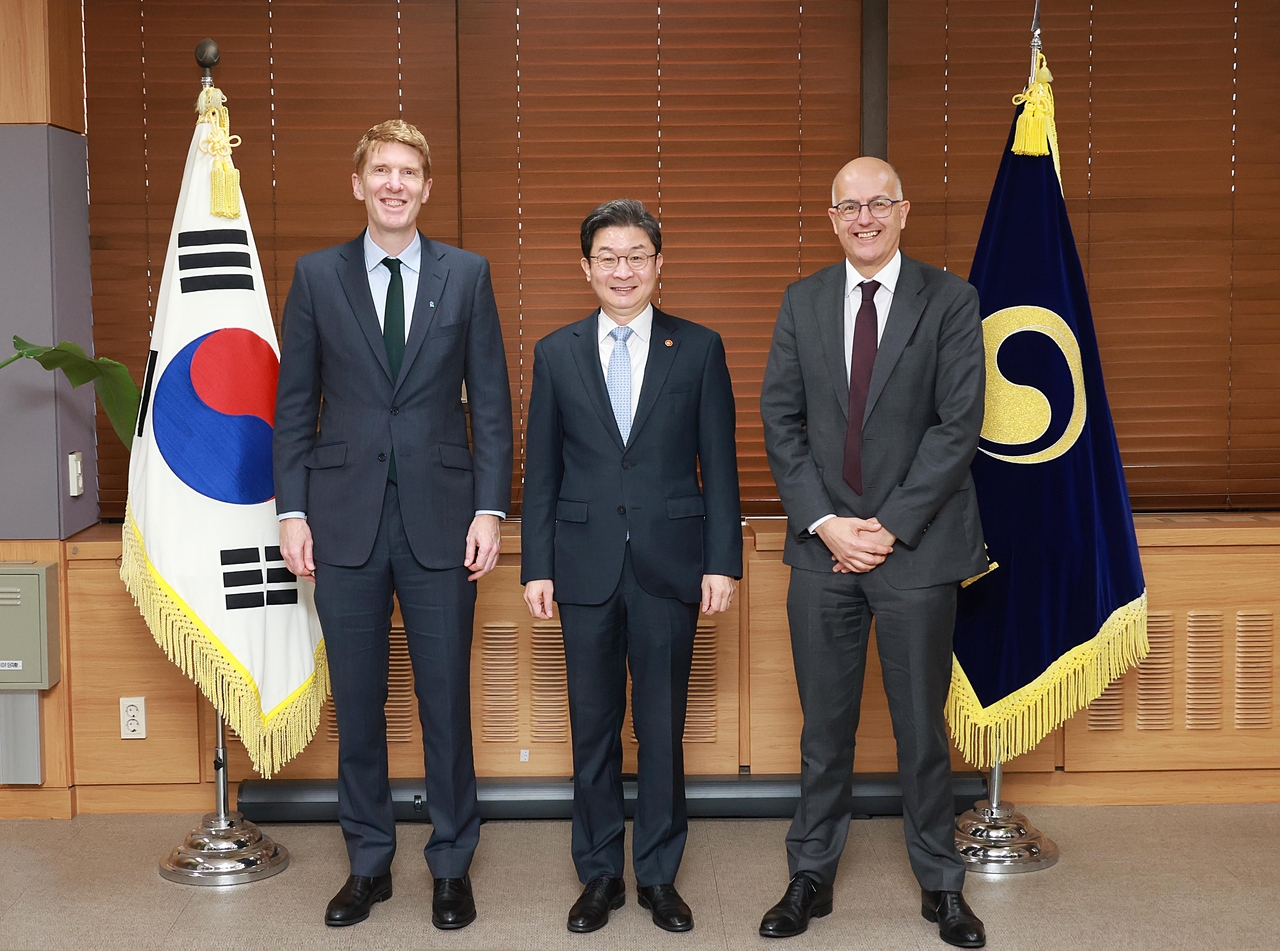
![Participants pose for a group photo at a seminar titled "Separating EV Battery Ownership: Opening a New Mobility Market," held Tuesday at the National Assembly Members' Office Building. [Korea Automobile Manufacturers Association]](https://wimg.heraldcorp.com/news/cms/2026/09/22/news-p.v1.20260922.cdf0215704ac4325bbcd7861846ce91e_P1.jpg)
Legislation allowing electric vehicle batteries to be registered and managed as separate assets from the vehicle body needs to pass the National Assembly without delay, industry officials said Tuesday. Separating battery ownership through law would significantly reduce the financial burden of buying an EV while also enabling new business models such as battery subscriptions and leasing, they argued.
The Korea Automobile Manufacturers Association held a seminar titled "Separating EV Battery Ownership: Opening a New Mobility Market" at the National Assembly Members' Office Building on Tuesday. Officials from the Ministry of Land, Infrastructure and Transport, the Ministry of Trade, Industry and Energy, and the Ministry of Climate, Environment and Energy attended alongside industry experts to discuss regulatory reforms needed to enable battery ownership separation.
Unlike ordinary auto parts, EV batteries hold high economic value and are considered a circular resource that can be remanufactured, reused or recycled even after a vehicle's operational life ends. Managing batteries as independent assets rather than components tied to a vehicle would lower the upfront cost of buying an EV while making it possible to offer new services built around the battery's full lifecycle.
Under a separated ownership model, consumers could purchase only the vehicle body and use the battery through a subscription or lease, reducing initial purchase costs. The burden of battery performance degradation and declining residual value in the used-car market could also be transferred to whoever owns and operates the battery.
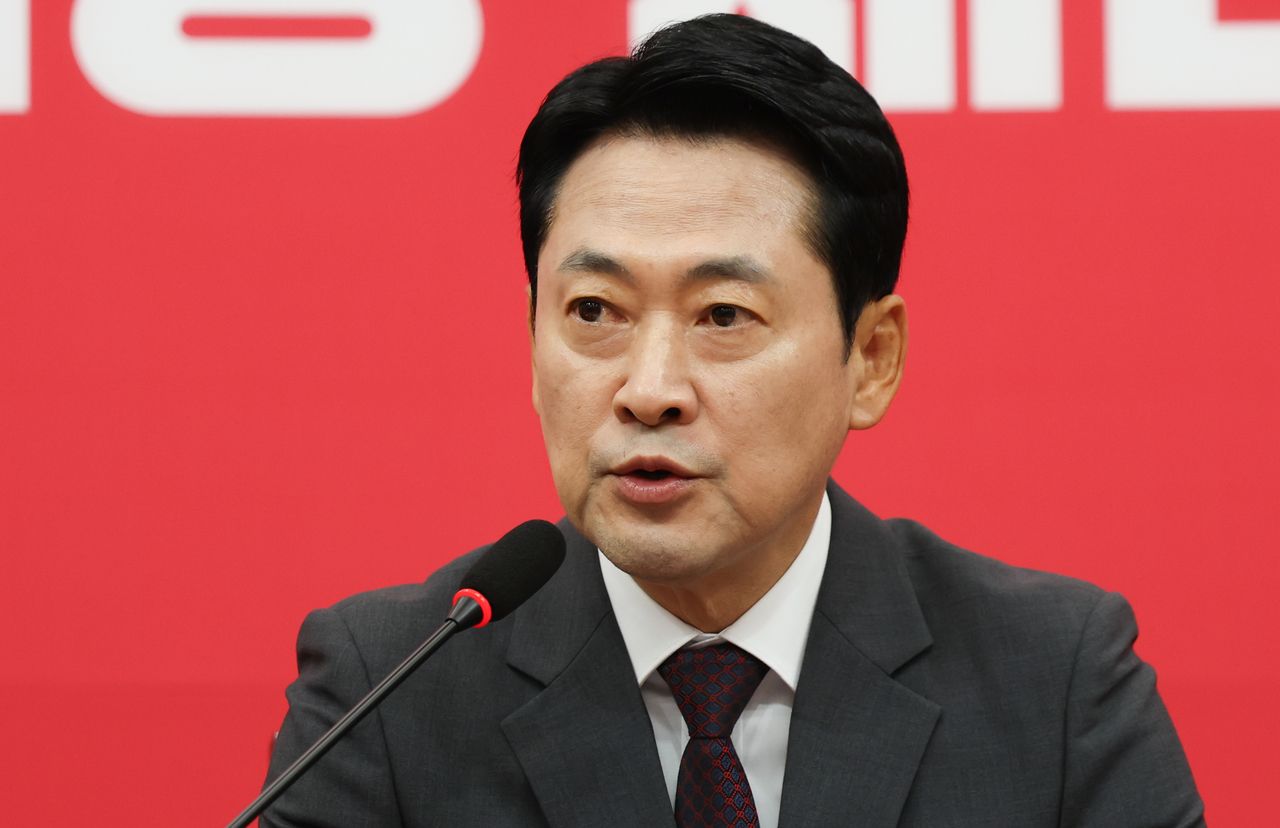
Jung Dae-jin, chairman of the Korea Automobile Manufacturers Association, said the current regulatory framework limits the ability to register and manage vehicle and battery ownership separately, constraining the expansion of new businesses such as battery leasing and subscriptions. "By separating ownership, we can secure new industrial competitiveness that combines finance, services and battery lifecycle management," he said.
Kwon So-dam, an attorney at law firm Bae, Kim & Lee, presented the EU's battery passport system and China's experience with separate battery sales and leasing as she made the case for domestic legislation. Unlike in those markets, South Korea's Automobile Management Act contains a vehicle ownership registration system, meaning a legal basis is needed to publicly disclose battery ownership to third parties separately from the vehicle.
A proposed amendment to the Automobile Management Act currently before the National Assembly would introduce the concept of a "leased drive battery," allow separate registration of vehicle body and battery ownership, and require that the battery lessor be listed in the vehicle registration record.
Kwon said legal reform must be accompanied by clearer accountability for battery safety and after-sales management, an overhaul of insurance frameworks to reflect ownership structures where the vehicle and battery belong to different parties, and the establishment of subsidy eligibility criteria and a basis for separate taxation.
Lee Jong-wook, a professor at Korea University of Technology and Education, outlined new business models that battery ownership separation would enable: a "battery bank" for renting and swapping batteries on top of subscription services, "mobile energy" applications that use EV batteries like generators, and vehicle-to-grid and virtual power plant systems that sell or return electricity stored in EV batteries back to the power grid.
"Separating battery ownership is not simply a change in how people buy things — it is the starting point for transforming batteries into independent energy, financial and data assets," Lee said. He added that once batteries become independent assets, a wide range of industry players beyond automakers and battery companies — including financial firms, testing and certification bodies, energy companies and recyclers — could participate in the battery lifecycle, making it essential to establish institutional foundations covering standardization, safety standards, data management and accountability structures.
eyre@heraldcorp.com