13.5 trillion won in direct investment pulled from Kospi last month
'Dollar, Middle East war to determine foreign fund flows'
Samsung Electronics trading seen as market 'litmus test'
Foreign investors are emerging as the key driver of the Kospi's direction as retail money continues to flee the domestic stock market, according to a market analyst.
With uncertainty over global interest rates and the dollar deepening amid the US fiscal deficit and a prolonged Middle East war, those variables will determine whether foreign capital flows back into the Korean market, the analyst said. Trading patterns in Samsung Electronics — where foreign ownership is high — are expected to serve as a "litmus test" for gauging future foreign investor flows.
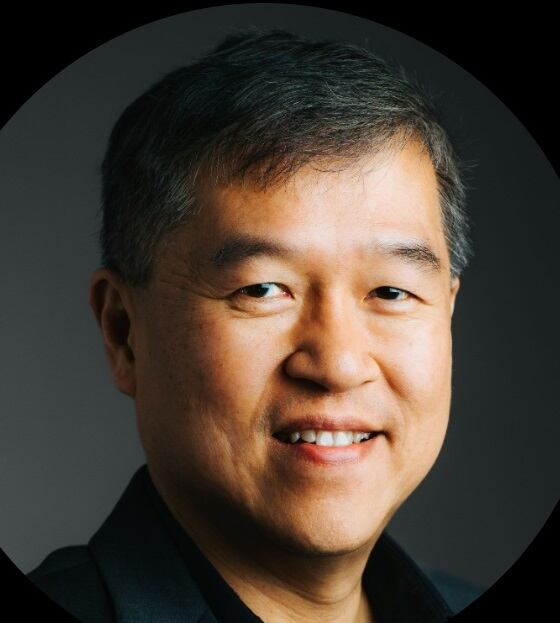
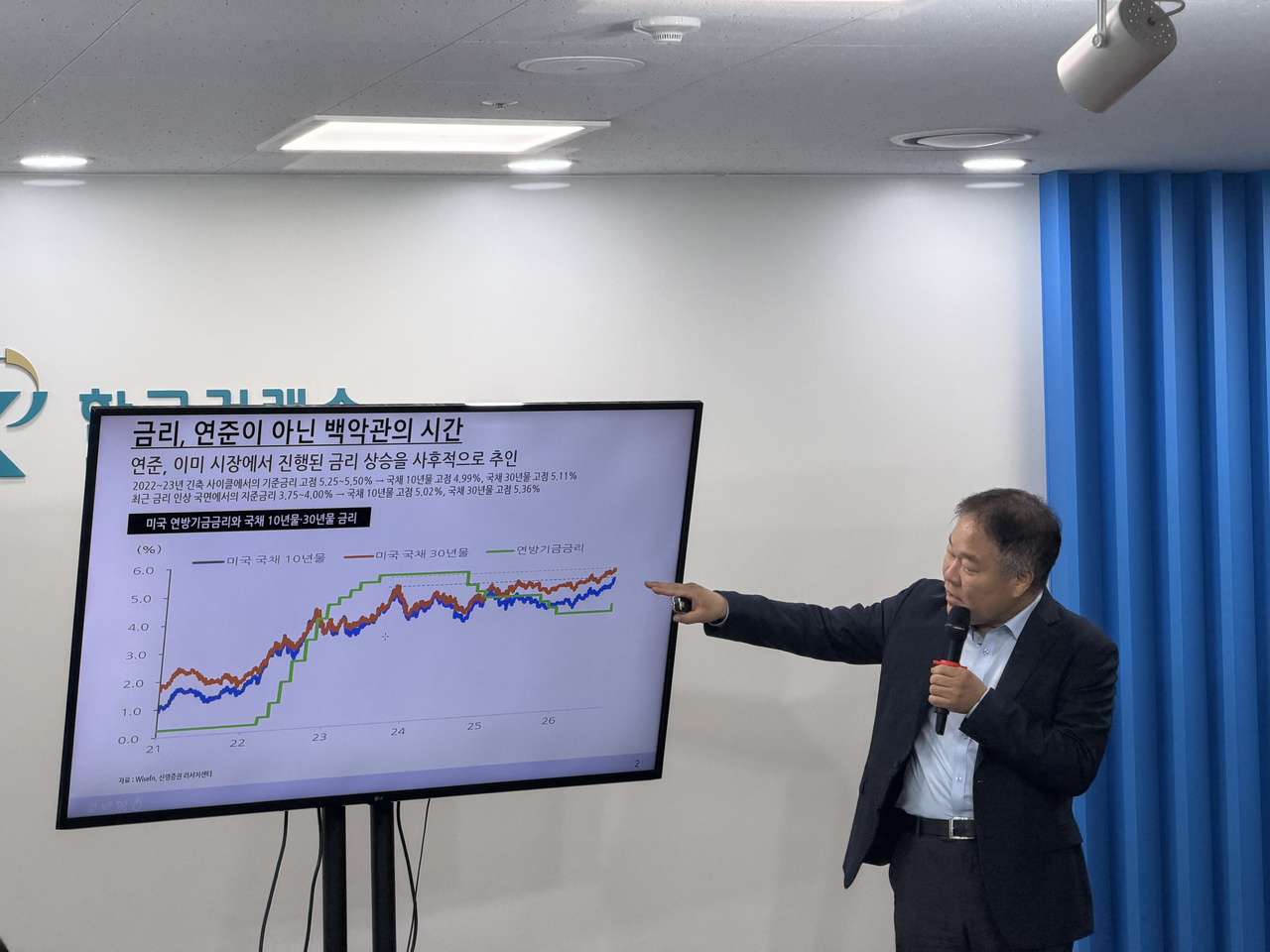
Kim Hak-kyun, head of research at Shinyoung Securities, said at a press briefing Tuesday at the Korea Exchange in Yeouido, Seoul, that household money is draining from the domestic market at an accelerating pace amid external uncertainty, making foreign investor flows increasingly critical.
"This differs from past patterns, when money continued to flow in for a considerable period even after a shift to a bear market," Kim said. "The key to market supply and demand has moved to foreign investors."
According to Shinyoung Securities, direct investment funds in the Kospi recorded a net outflow of 13.55 trillion won ($9.79 billion) last month, and another 9.83 trillion won had left the market through Friday of this month. In the past, domestic investors — including retail participants — would step in to support the market even when foreigners were selling, but now retail investors are also walking away.
"Whether the dollar stabilizes and whether the Middle East war ends will determine the direction of foreign fund flows into Korea," Kim said. "In particular, the pattern of foreign buying and selling in Samsung Electronics will serve as a 'litmus test' for gauging those flows."
Kim also advised that investing in the broader market rather than picking individual stocks is the more important approach, noting that historically few stocks have outperformed the overall market return.
According to Shinyoung Securities, the Kospi rose 330 percent over the past decade, yet 1,274 listed companies posted negative returns or were delisted during the same period.
"Investing in a stock index carries less risk," Kim said. "When I say stock investment can be good for anyone, I mean investment in 'the market' — not in individual stocks."
On the recent rise in interest rates, Kim said it is difficult to interpret the move solely through the lens of Federal Reserve monetary policy, adding, "This is the White House's moment, not the Fed's."
Kim explained that while central banks sometimes raise rates first and market rates follow, the reverse can also occur — market rates rise first and the central bank catches up. He said the Fed's recent rate increases appear to have followed long-term government bond yields that had already moved higher.
He added that the US economy is not running hot enough to warrant urgent Fed tightening, which supports that view.
"Headline inflation has risen on higher oil prices, but core inflation excluding energy is relatively stable, and US economic growth is not particularly strong," Kim said.
"What has pushed market rates higher recently is concern over the US government's fiscal deficit," he said, adding that the US fiscal deficit in the second quarter stands at 5.55 percent of GDP and that government bond yields in major economies are rising together as fiscal spending concerns mount.
The US-Iran war was identified as a short-term factor that has recently added to fiscal pressures, and Kim said the resolution of the Middle East conflict will be a key variable for financial markets going forward.
"The Middle East war has increased the US fiscal spending burden and pushed up international oil prices, adding upward pressure on government bond yields," Kim said. "The US-Iran war is the decisive factor driving rates higher."
"If the Middle East war ends, international oil prices could stabilize and government bond yields could fall, potentially reigniting a global equity market rally," he added. Conversely, a prolonged period of high interest rates could, combined with heavy debt burdens, deliver a shock to the economy.
th5@heraldcorp.com