International student enrollment hits 24,328, up 6,000 from last year
Nationwide overstay cases among former students up fivefold in 10 years
Dropout rates reach 10.5% at Korea Maritime and Ocean University, 8.7% at Pusan National University
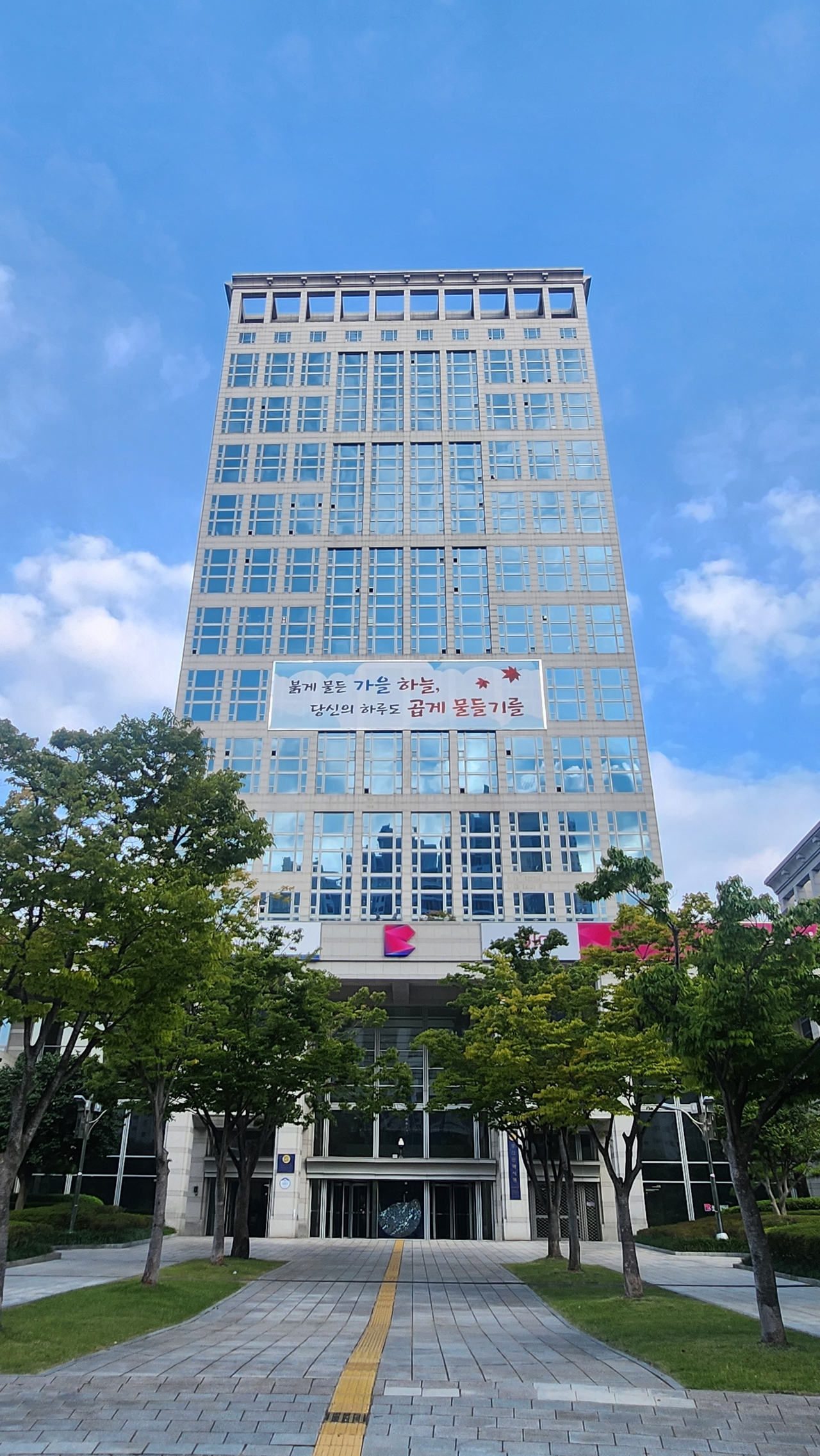
Busan's foreign student population reached a record 24,328 this year, a 30 percent increase from the previous year, the city announced Tuesday. The figure represents a gain of nearly 10,000 students in just two years, up from 14,961 in 2024 and 18,630 in 2025.
The city credited the growth to its strategy of targeting specific countries for each university, diversifying recruitment markets and building a full-cycle support system, all part of a push to attract 30,000 foreign students by 2028.
To mark the milestone, the city held a forum Tuesday afternoon at the National Pension Service's Busan office to share outcomes of its integrated foreign student support program, including online platform upgrades and employment and startup success cases. Centered on an integrated support hub that opened in February, the city has also been expanding a one-stop service covering fingerprint registration, financial and visa consultations, and referrals to designated hospitals.
Yet the rapid growth has exposed significant challenges. According to the Ministry of Justice, the number of illegal overstayers nationwide who had entered on student visas surged from 6,782 in 2014 to 34,267 in 2024 — more than a fivefold increase in a decade. As more students abandon their studies and shift to unauthorized employment after entering on student visas, experts say qualitative indicators such as local employment and settlement rates matter more than raw enrollment figures.
The situation at local universities is also cause for concern. Statistics from late last year show that Korea Maritime and Ocean University recorded a student dropout rate of 10.5 percent, Dongseo University 9.1 percent, and both Pusan National University and Dong-eui University 8.7 percent.
The Ministry of Education has also been tightening oversight, recently designating some universities for enhanced visa screening based on metrics including illegal overstay rates and tuition burden ratios, holding institutions more accountable for managing their foreign student populations.
Analysts say that for Busan's "study city" brand to move beyond numbers and build genuine competitiveness, the key will be a follow-through system extending beyond university-level controls — such as stronger language proficiency checks and pre-admission screening — to include work visa linkages and local settlement support.
Mayor Jeon Jae-soo echoed that view at the forum Tuesday. "This is a moment when qualitative management — supporting stable academic progress and integration into the local community — is just as important as expanding the number of students," he said, signaling a review of the city's end-to-end support framework.
The retention and settlement measures the city plans to announce will serve as a key test of whether Busan's foreign student growth can be sustained over the long term.
kaf2002@heraldcorp.com