Direct prosecutor filings: 365 cases in first seven months of this year vs. 921 for all of last year
Shrinking direct investigations weigh on forfeiture figures; investigative powers to disappear entirely under new system

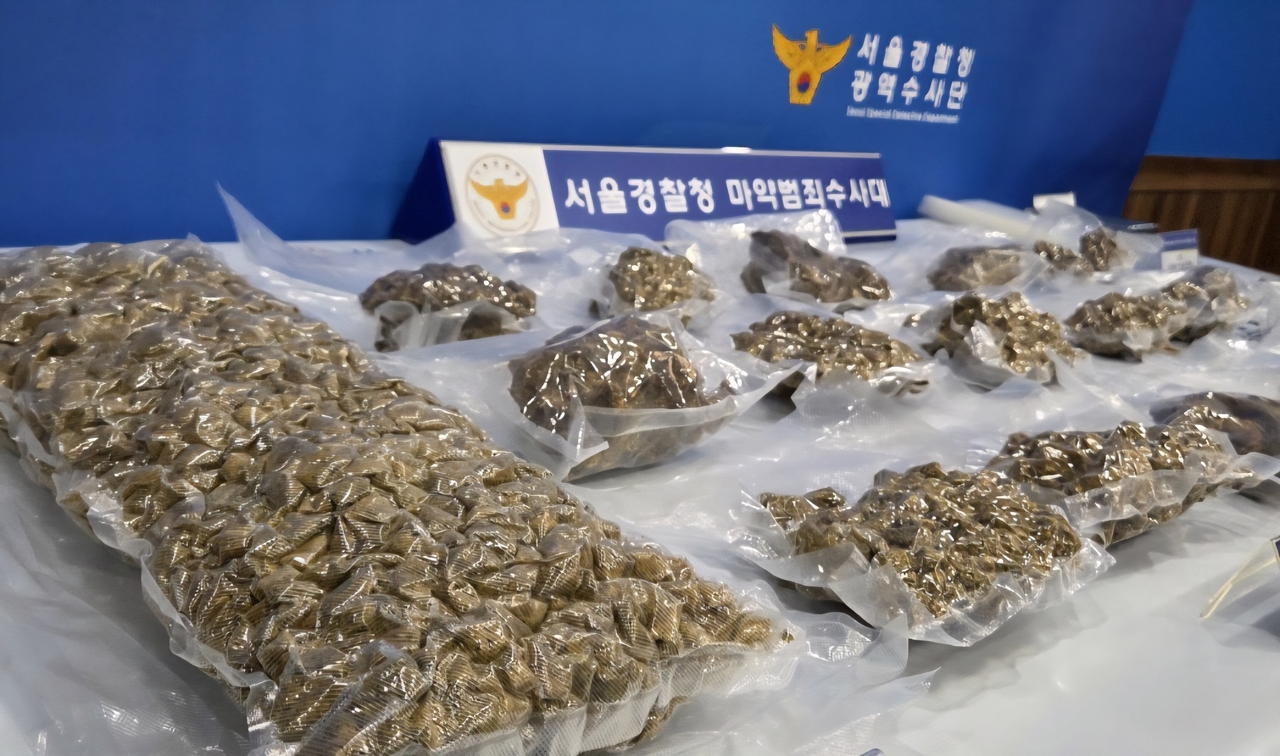
Concerns are mounting over a weakening of asset-forfeiture capabilities as the Prosecution Service is set to be abolished on Friday. Questions persist about whether the newly established Serious Crime Investigation Agency and the Public Prosecution Service can get fully off the ground, and whether prosecutors' asset-forfeiture capacity can be seamlessly carried over. The worry is emerging against a backdrop of already declining forfeiture figures driven by a pullback in direct prosecutorial investigations — raising doubts about whether the function will work properly under a sweeping overhaul of the criminal justice system.
According to data obtained from the Supreme Prosecutors' Office, courts granted 365 forfeiture and confiscation preservation orders on direct applications by prosecutors in the first seven months of this year, with the total value of those preservation decisions reaching 79.1 billion won ($58.5 million). That figure represents roughly 40 percent — less than half — of the 921 cases worth 1.85 trillion won recorded for all of last year.
Forfeiture and confiscation preservation orders work similarly to provisional attachments in civil proceedings, freezing assets that defendants or others obtained through criminal activity before a final court verdict so they cannot be hidden or disposed of. Prosecutors handle the entire process — identifying and tracing criminal proceeds, securing preservation orders, enforcing judgments, transferring assets to the national treasury, and returning them to victims.
Court-granted forfeiture and confiscation preservation orders filed directly by prosecutors over the past five years were: 1,501 cases (1.6 trillion won) in 2021; 1,315 cases (2.44 trillion won) in 2022; 1,452 cases (6.67 trillion won) in 2023; 1,352 cases (7.17 trillion won) in 2024; and 921 cases (1.85 trillion won) last year. Observers inside and outside the prosecution service say the trend toward fewer direct investigations by prosecutors has weighed on both the number and scale of preservation orders.
The situation is expected to deteriorate further once the Prosecution Service is abolished on Friday and prosecutors assigned to the new Public Prosecution Service lose their investigative powers entirely. After that date, the Public Prosecution Service will be unable to conduct witness interviews, trace bank accounts, or carry out other investigative steps needed to secure forfeiture preservation orders. Concern is growing that the capacity to identify and track criminal proceeds will inevitably erode as a result.
A comparison with police figures over the same period reveals a stark contrast. Court-granted preservation orders on police applications were: 1,023 cases (4.37 trillion won) in 2021; 1,257 cases (1.01 trillion won) in 2022; 1,912 cases (690.9 billion won) in 2023; 3,126 cases (1.87 trillion won) in 2024; 3,380 cases (1.49 trillion won) last year; and 2,333 cases (941.7 billion won) in the first seven months of this year.
Cases in which prosecutors secure forfeiture preservation orders through witness interviews or account tracing during the investigation of referred cases are also common.
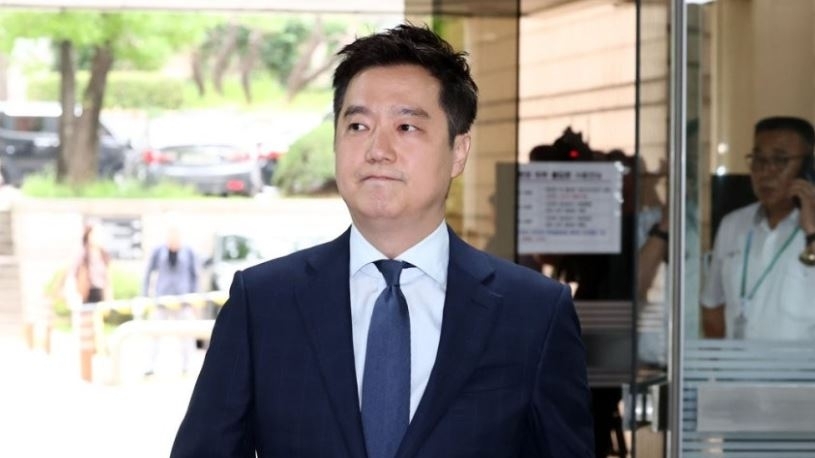
The Criminal Proceeds Recovery Division of the Seoul Central District Prosecutors' Office registered a land preservation order on Sept. 10 against Kim Se-eui — who was indicted on charges of defaming actor Kim Soo-hyun by spreading false information about his private life — to strip him of 169.4 million won in assets.
Police, who originally investigated Kim, had applied for a preservation order covering about 5 million won in criminal proceeds. The court rejected that application, ruling that "the proceeds are too small relative to the value of the real estate to justify preservation." Prosecutors then traced donation accounts, interviewed witnesses, and conducted asset inquiries, confirming that criminal proceeds amounted to at least 169.4 million won, and filed for a preservation order, which the court granted.
A criminal proceeds recovery unit is set to exist under the future Public Prosecution Service system as well, but observers say the impact of the criminal justice overhaul will be unavoidable, given that newly established institutions inevitably need time to find their footing. Under the new structure, a criminal proceeds recovery section is to be placed under the trial and litigation division of the Public Prosecution Service, while the Seoul Central Public Prosecution Service is expected to have a dedicated criminal proceeds recovery division under its third deputy chief prosecutor.
The government has said it plans to reduce the prosecutor headcount to between 80 and 85 percent of the current 2,292 positions, a cut that will also affect asset-recovery work. It has also announced plans to reduce prosecution investigator staff by about 70 percent — from 2,986 to 938 — with the remaining investigators converted to criminal justice administrative roles.
Some say another major inflection point in the criminal justice system's asset-forfeiture function will be the independent forfeiture regime set to take effect next year. The National Assembly last month passed an amendment to the Act on Regulation and Punishment of Criminal Proceeds Concealment introducing the independent forfeiture system starting next year. The regime allows courts to issue forfeiture and confiscation orders even when prosecution is not possible — for instance because a suspect has died or cannot be located.
bell@heraldcorp.com