Only about 2.5% of staff used flexible scheduling annually — just 36 to 37 employees over the past three years; district to redesign hours within the 40-hour week, allowing half-day shifts on select days; all departments and community centers to join the pilot from October, with at least one participant per unit required to use the scheme at least once a month
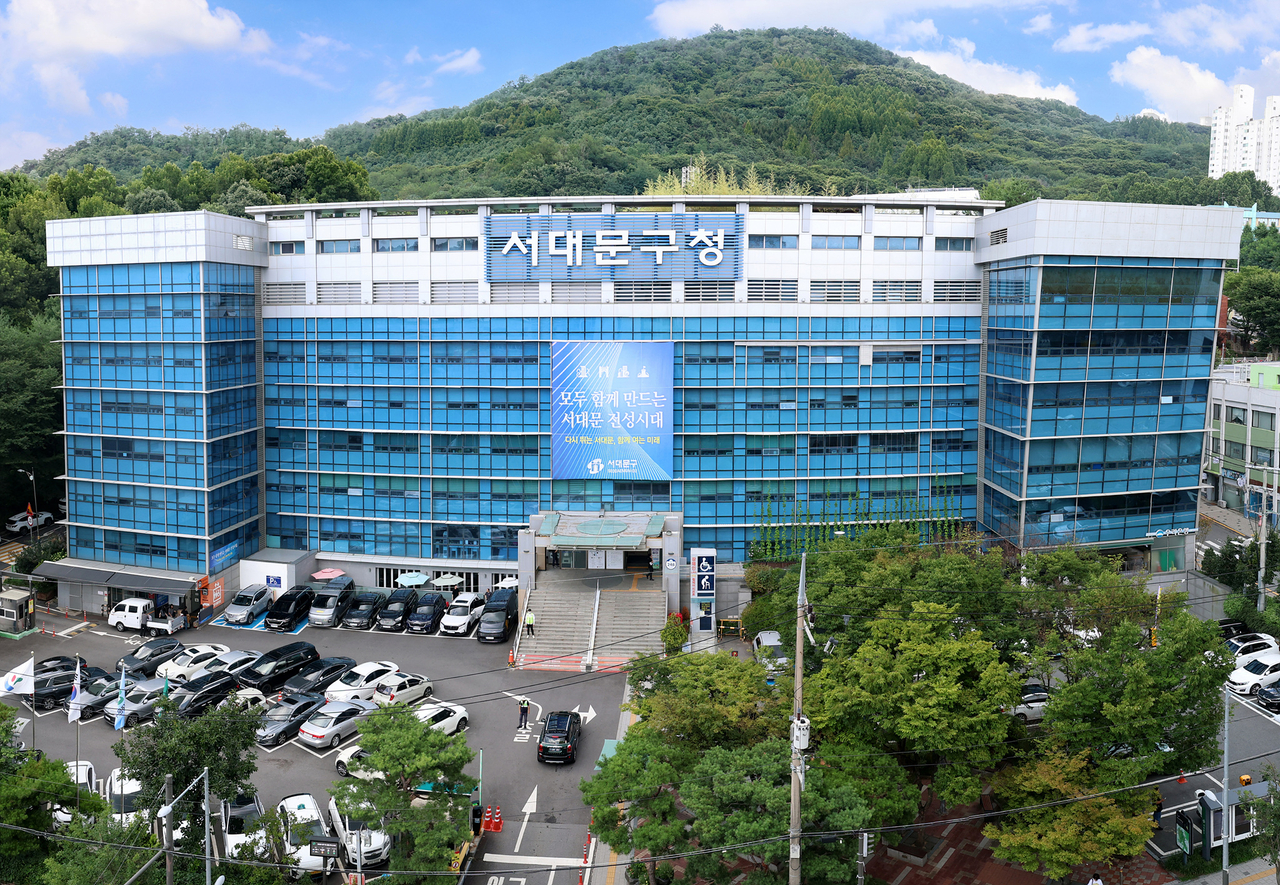
Seodaemun-gu is set to make flexible working a genuine everyday option for its civil servants — not just a policy that exists on paper. The district will expand its flexible scheduling scheme after finding that only about 2.5 percent of staff actually used it.
Seodaemun-gu will launch a pilot "4.5-day workweek" program in October, drawing on its existing flexible-hours system to give employees more room to balance work, family and personal life.
The low take-up rate tells the story. The number of employees who used the flexible-hours option at least once a year stood at 36 in 2024, 37 in 2025 and 37 again as of this month — out of a total workforce of roughly 1,500, or about 2.5 percent. The scheme has been in place for years, but participation has been effectively flat for the past three years.
The pilot is focused less on creating a new system than on changing workplace culture so that staff actually use the one already available. The initiative grew out of on-site feedback gathered at a regular staff assembly held in the second half of this year.
The "4.5-day workweek" does not shorten the legally mandated working hours. Employees still work 40 hours a week under the Local Civil Servants Service Regulations, but they can redistribute those hours across the week. By working up to four extra hours on other days, an employee can reduce hours — including to a half-day of four hours — on a day of their choosing.
For example, a staff member could work an extra hour each day Monday through Thursday (9 a.m. to 7 p.m.), or add four hours on Thursday alone (7 a.m. to 8 p.m.), and then work only four hours on Friday (9 a.m. to 2 p.m.).
Daily hours can be adjusted in 10-minute increments within a range of four to 12 hours. A shared core working window — 10 a.m. to noon and 2 p.m. to 4 p.m. — will be maintained across all units to ensure uninterrupted public service and inter-departmental coordination.
The district will kick off the pilot Thursday, with all departments and community service centers taking part. Each unit must designate at least one pilot participant to experience the flexible-hours scheme at least once a month. Employees who are not designated participants but wish to join may apply by the day before their intended flexible-work day to take part voluntarily.
The goal is to spread firsthand experience of flexible working across the organization while also identifying any gaps in coverage or uneven workload distribution that emerge in practice, so that stable operating guidelines can be established.
Seodaemun-gu will finalize pilot participants by department and community center by Wednesday, run the program from October through June next year, and then expand it in July 2027 based on the results.
Progress will be tracked in numbers. Monthly participation figures will be compiled and compared against the previous annual baseline of 36 to 37 users, and a staff satisfaction survey will be conducted in the second half of 2027. The district plans to analyze changes in take-up rates and employees' sense of work-life balance, and will petition the central government to amend the Local Civil Servants Service Regulations if improvements to the current framework are needed.
"If a policy exists but people feel too self-conscious to use it, it can hardly be called a good policy," Seodaemun-gu District Mayor Park Un-gi said. "Helping employees maintain a healthy work-life balance is the starting point for a healthy organizational culture."
seouldream01@heraldcorp.com