- Korea Institute of Oriental Medicine, Chungnam National University analyze blood samples from 19 advanced lung cancer patients before and after treatment
- T cells, NK cells and interferon immune pathways activated in group receiving Bojungikgi-tang alongside immunotherapy
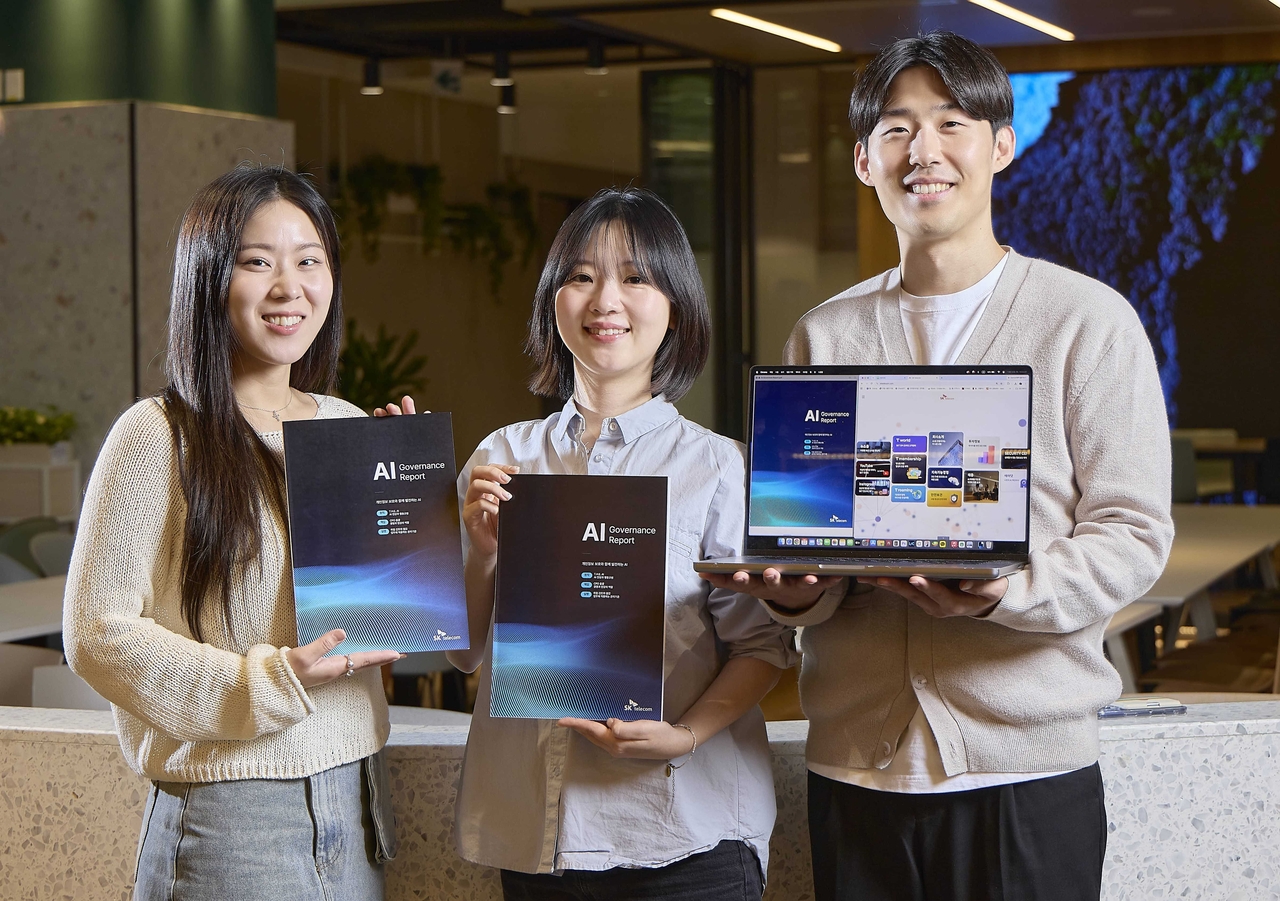
![The joint research team behind the study. From left: Lee Jin-mu and Jung Mi-kyung of the Korea Institute of Oriental Medicine, Kim Sang-yun of Chungnam National University, and Professor Park Sang-min. [Korea Institute of Oriental Medicine]](https://wimg.heraldcorp.com/news/cms/2026/09/29/news-p.v1.20260929.34bc3d76cebb4027a95f6fbe2d33ca7a_P1.jpg)
Immune signals linked to cancer-attacking cells were activated in lung cancer patients receiving immunotherapy when a traditional herbal formula was administered alongside it, a new study has found.
The Korea Institute of Oriental Medicine said Tuesday that a joint research team led by researcher Jung Mi-kyung and Chungnam National University Professor Park Sang-min analyzed blood samples taken before and after treatment from patients with advanced non-small cell lung cancer. Patients who received Bojungikgi-tang — a traditional herbal formula — together with immune checkpoint inhibitors showed greater activation of T cell and natural killer (NK) cell immune signals than those who received the immunotherapy alone.
Immune checkpoint inhibitors work by restoring the function of T cells suppressed by cancer cells, enabling them to attack tumors. While they are a primary treatment for advanced non-small cell lung cancer, patient responses vary, and researchers have been exploring various combination therapies to improve their effectiveness.
In earlier animal studies, the research team found that Bojungikgi-tang could enhance the anticancer effects of immune checkpoint inhibitors by boosting T cell and NK cell activity. This study examined whether similar immune response changes would appear in the blood of actual patients.
The analysis covered 19 patients from a multi-center clinical trial for whom blood samples were available — 12 in the Bojungikgi-tang combination group and seven in the placebo group. The researchers compared changes in gene expression in blood samples taken before and after treatment.
The combination group showed activation of T cell and NK cell functions involved in attacking cancer cells, as well as interferon-related signaling pathways that regulate immune responses. The research team said these changes were consistent in direction with the immune responses observed in the earlier animal studies.
Using machine learning, the team also identified candidate genes that could track immune response changes. TUSC2, linked to NK cell activation, and S1PR2, which reflects systemic immune status, increased, while IL1R2, associated with reduced T cell function, and ETS2, linked to immune suppression, decreased.
![Researchers examine data in a laboratory. [Korea Institute of Oriental Medicine]](https://wimg.heraldcorp.com/news/cms/2026/09/29/news-p.v1.20260929.3690ae3b4cc942a5acc84a68e775684f_P1.jpg)
The research team said that if validated in a larger patient population, the combination of these four genes could serve as blood-based markers for tracking immune changes associated with Bojungikgi-tang combination therapy.
However, the team cautioned that the findings alone are not sufficient to conclude that Bojungikgi-tang improves lung cancer treatment outcomes. The analysis covered only 19 patients, and the study was an exploratory investigation of immune response changes in the blood — not a study demonstrating tumor shrinkage or extended patient survival. The four candidate genes also require further validation in a larger patient cohort.
"This is a clinical study presenting candidate genetic markers that indicate anticancer immune activation associated with Bojungikgi-tang combination therapy," the team said. "We will continue to validate the findings in a larger patient population and pursue integrative cancer treatment research that can complement immune checkpoint inhibitor therapy."
The findings were published in the international journal Genes & Diseases.
nbgkoo@heraldcorp.com