Oct. 9 is Hangul Day — a moment to reflect on the fact that the script Koreans read and write every day without a second thought was born from King Sejong's deep compassion for his people. Yet the spirit Sejong left behind is far too vast and profound to be remembered simply as the anniversary of the creation of Hunminjeongeum.
Sejong was troubled by the reality that ordinary people could not express their thoughts because they lacked a script to call their own, and he set out to create a writing system through which anyone could easily communicate. Hangul carries within it that care for the people and Sejong's conviction that communication between human beings matters above all. How, then, should we remember and carry forward that spirit today? One answer lies in hands-on engagement with history and culture.
On Oct. 8 — the day before Hangul Day — a public participation event will be held at Gyeongbokgung Palace in Seoul as part of the "2026 King Sejong Royal Procession Civic Participation Education and Experience Program," sponsored by the Seoul Metropolitan Government and organized by the King Sejong National Committee. The event is designed to let citizens reflect together on Sejong's compassionate spirit and the value of hangul while experiencing traditional culture firsthand. Participants will receive preparatory education at the National Palace Museum of Korea before joining the actual royal procession around the palace grounds.
What makes the event particularly notable is that 30 senior models will take part directly. They are not mere spectators. Dressed in hanbok and assigned individual roles, they become members of King Sejong's royal procession, recreating a scene from history in a present-day setting. Some will attend the king; others will walk as part of the procession. History becomes present when we remember and experience it ourselves. The moment participants embody the king they once read about only in textbooks — walking the palace grounds in hanbok and imagining the atmosphere of that era — history is no longer a distant story. It becomes a living culture in which we all take part. The participation of the senior generation carries special meaning.
In Korean society, seniors are often seen solely as beneficiaries of culture and welfare. But this event shows that seniors can be not consumers of culture but its protagonists and transmitters. The sight of 30 senior models marching in King Sejong's royal procession is more than a beautiful tableau. It is a generation rich in life experience giving direct expression to Korean history and traditional culture and sharing it with fellow citizens. The procession can also serve as a cultural bridge between generations — offering younger people a chance to encounter Sejong and hangul in a more intimate way, while giving middle-aged and older generations an opportunity to look back on their history and heritage.
The same is true of Hangul Day itself. Hangul is not merely a script. It is a tool of communication that allows people to express their thoughts and understand one another. In that sense, walking Sejong's path together on Hangul Day is not an act of imitation but a chance to revisit, within today's civic society, the spirit of a king who valued human dignity and the desire to connect. The line between participant and observer matters little. The moment people walk together in hanbok, take photographs and share stories, everyone becomes a citizen helping to write one more scene in history.
On the eve of Hangul Day, I hope the footsteps of citizens walking Sejong's path together will mark yet another beautiful beginning — one that carries our history and traditions forward to the next generation.
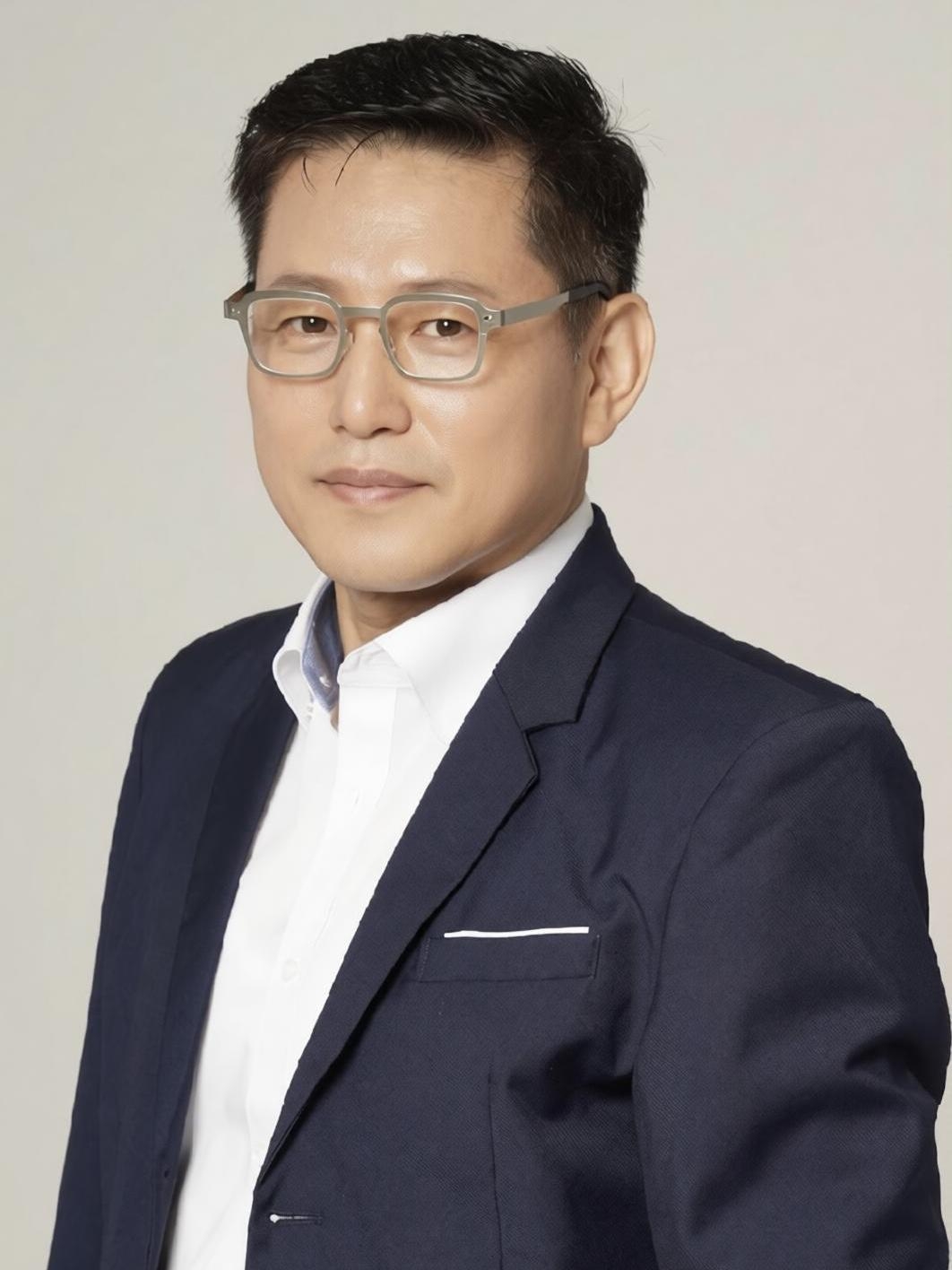
By Park Sang-do, expert committee member of the King Sejong National Committee
yjc@heraldcorp.com