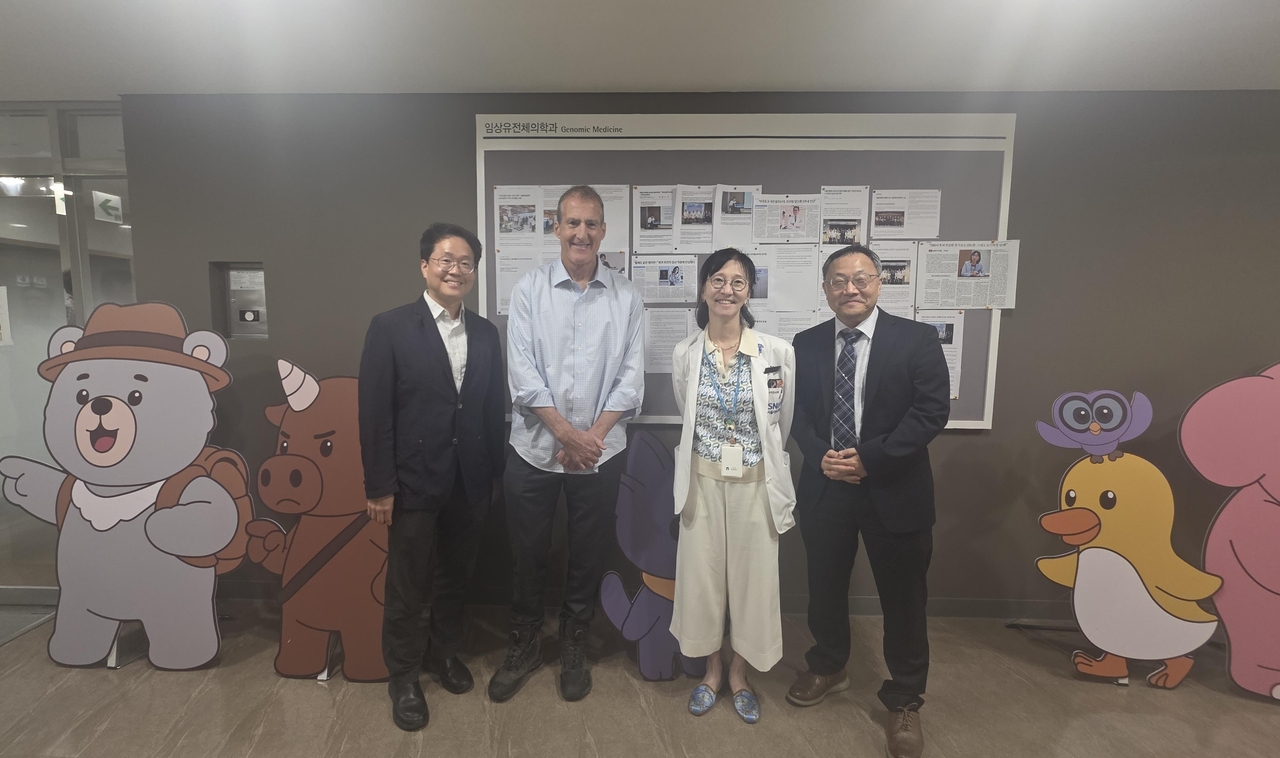
Seoul National University Hospital is expanding its joint research with Craig C. Mello, a distinguished professor at UMass Chan Medical School who pioneered RNA interference research and won the Nobel Prize in Physiology or Medicine, in the field of rare disease treatment.
The hospital announced Tuesday that its Rare Disease Center will strengthen collaborative research on RNA and gene therapies for rare diseases with Mello, who shared the 2006 Nobel Prize in Physiology or Medicine for the discovery of RNA interference (RNAi).
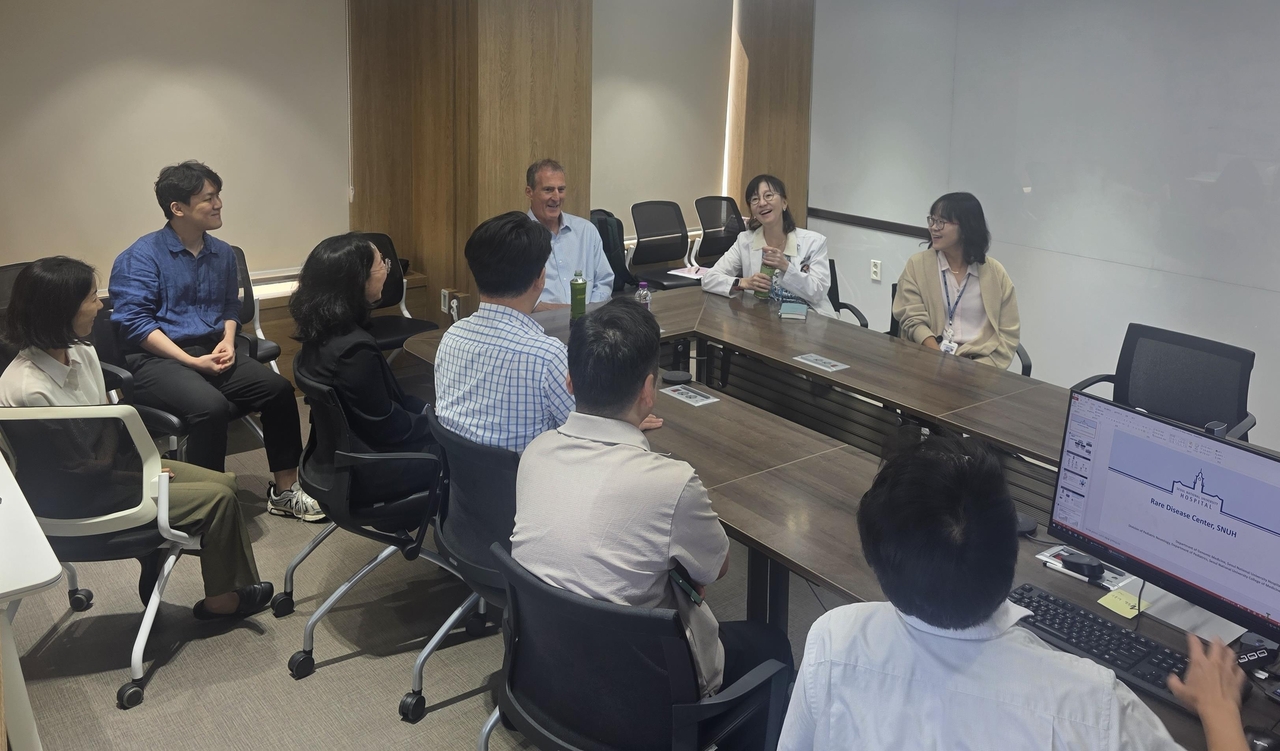
At an advisory meeting held Sept. 11, Mello and researchers discussed strategies for developing RNA and gene therapies for rare diseases, approaches to clinical application, and directions for patient-tailored treatment research. Both sides plan to build on their existing partnership to expand therapeutic research.
The collaboration is grounded in an MOU signed last May between Seoul National University Hospital and the UMass Chan Department of Gene and Cell Therapy, covering joint development of gene therapies for rare diseases and researcher exchanges. The two institutions agreed to pursue co-development of gene and cell therapies, clinical research, and personnel exchanges targeting severe neurogenetic conditions including neurodevelopmental disorders, epileptic encephalopathy and neuromuscular diseases.
Mello discovered RNA interference together with Andrew Z. Fire. RNAi is a mechanism that suppresses the expression of specific genes; it is widely used in gene function research and has provided the scientific foundation for the development of siRNA-based therapies. Mello continues to study the gene regulatory mechanisms of RNAi and germ cells while also working to translate basic science findings into therapeutic development.
The Seoul National University Hospital Rare Disease Center supports patients with difficult-to-diagnose rare diseases through precision diagnostics — including genomic testing — and multidisciplinary care. It has recently expanded into research on treatment technologies that directly target disease causes, including RNA and gene therapies.
"In the field of rare diseases, developing practical treatments that can be offered to patients after diagnosis is just as important as accurate diagnosis itself," said Chae Jong-hee, director of Seoul National University Children's Hospital. "Through this advisory meeting with Professor Mello, who pioneered RNA interference research, we will advance our patient-tailored RNA and gene therapy research and further expand collaboration with global research institutions."
kty@heraldcorp.com