Flu cases rising since late August
Free vaccinations began Sept. 21
Seoul Metropolitan Government urges high-risk groups, including children, to get vaccinated
Officials call for handwashing, mask-wearing
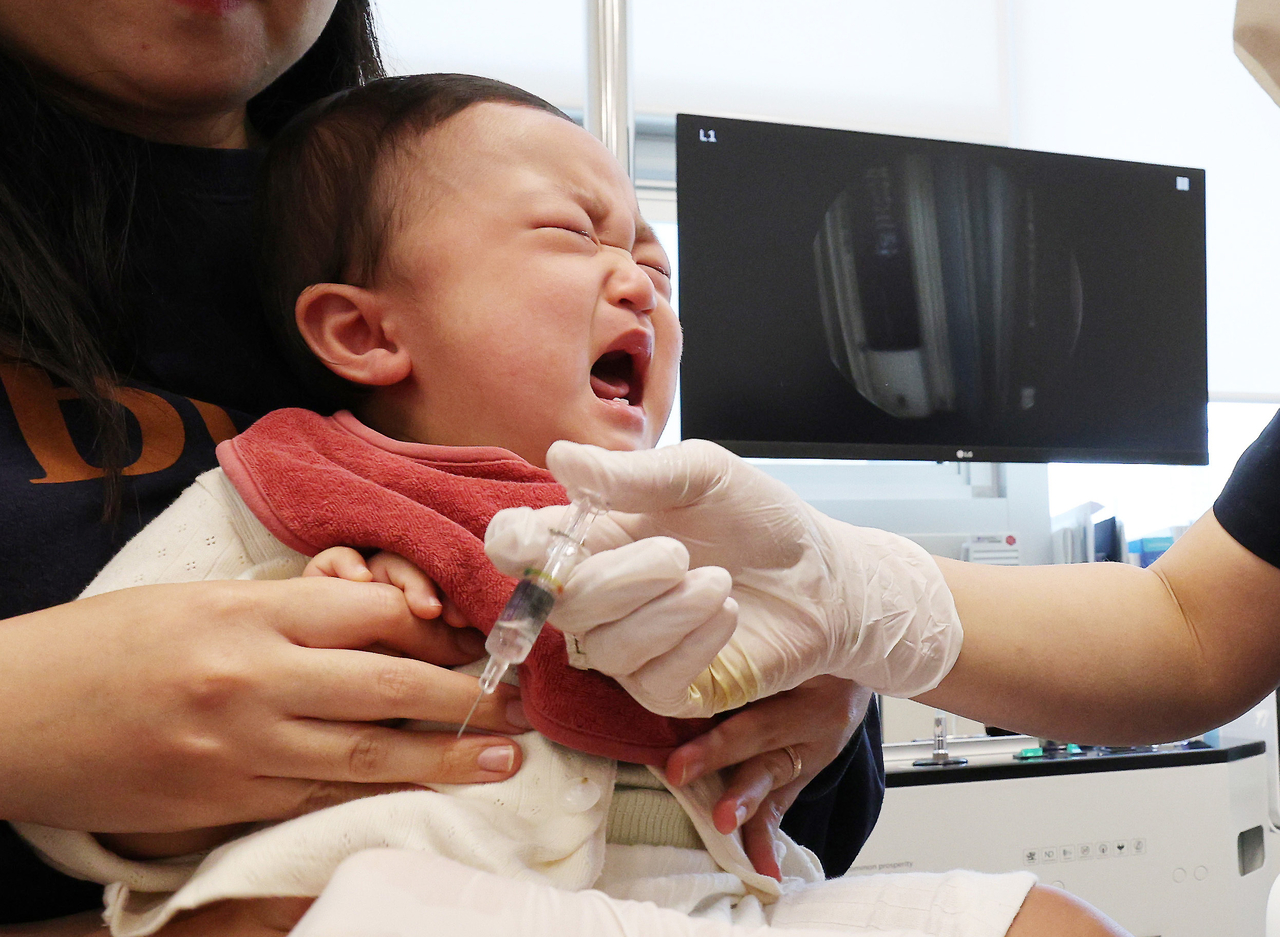
With this year's flu season arriving earlier than usual, the Seoul Metropolitan Government is urging residents to get vaccinated. This year's influenza outbreak is running three weeks ahead of last year's, and the number of patients is roughly four times higher.
The Seoul Metropolitan Government Research Institute of Public Health and Environment said Sunday that tests on patient and wastewater samples confirmed that this year's influenza season began far earlier than in previous years.
The institute monitors respiratory infectious disease trends in Seoul year-round by testing samples from patients with respiratory symptoms and analyzing viruses detected in wastewater.
This year, the number of flu patients began climbing in late August — the 35th week of the year — three weeks ahead of last year's pace. Compared with 2019, before the COVID-19 pandemic, the increase came 11 weeks earlier.
The flu season has also been lasting longer and affecting all age groups, making caution particularly important for high-risk groups such as children, pregnant women and the elderly. The strain currently circulating is influenza A (H1N1), and detected levels are rising in both patient and wastewater samples.
The Korea Disease Control and Prevention Agency (KDCA), responding to the earlier-than-usual outbreak, issued an influenza epidemic alert on Sept. 11 and called on the public to get vaccinated and follow personal hygiene guidelines.
The national free flu vaccination program covers children aged 6 months to 14 years, pregnant women and adults 65 and older. Eligible individuals can receive a trivalent vaccine — one dose in most cases — at designated medical institutions and public health centers. Children aged 6 months to under 9 years who have never been vaccinated or have received only one dose previously are eligible for two doses.
Vaccinations for children aged 6 months to 14 years began Sept. 21. This month, the program expands in stages: adults 75 and older (born on or before Dec. 31, 1951) become eligible Tuesday; those aged 70 to 74 (born Jan. 1, 1952, to Dec. 31, 1956) on Oct. 12; and those aged 65 to 69 (born July 11, 1957, to Dec. 31, 1961) on Oct. 15. High-risk individuals with compromised immune systems, regardless of age, may receive the vaccine starting Tuesday after consulting with a medical professional.
Sentinel surveillance data from about 800 medical institutions showed that in the 39th week of the year (Sept. 20–26), the influenza-like illness rate stood at 33.0 per 1,000 patients — about 3.7 times the 9.0 per 1,000 recorded in the same period last year. The rate was highest among children aged 7 to 12, the elementary school age group, at 61.0 per 1,000, followed by children aged 1 to 6 at 49.6 per 1,000.
"The institute will work closely with the KDCA to monitor trends in influenza and other respiratory infectious diseases and do its utmost to prevent outbreaks proactively," said Park Ju-seong, director of the institute. "We also ask citizens to get vaccinated and actively practice basic hygiene measures such as handwashing and wearing masks."
ikson@heraldcorp.com