Subway service to increase by 27 runs
Buses to concentrate service during entry and departure hours
Free 'exam transport vehicles' to be deployed
Noisy construction near test sites to be suspended
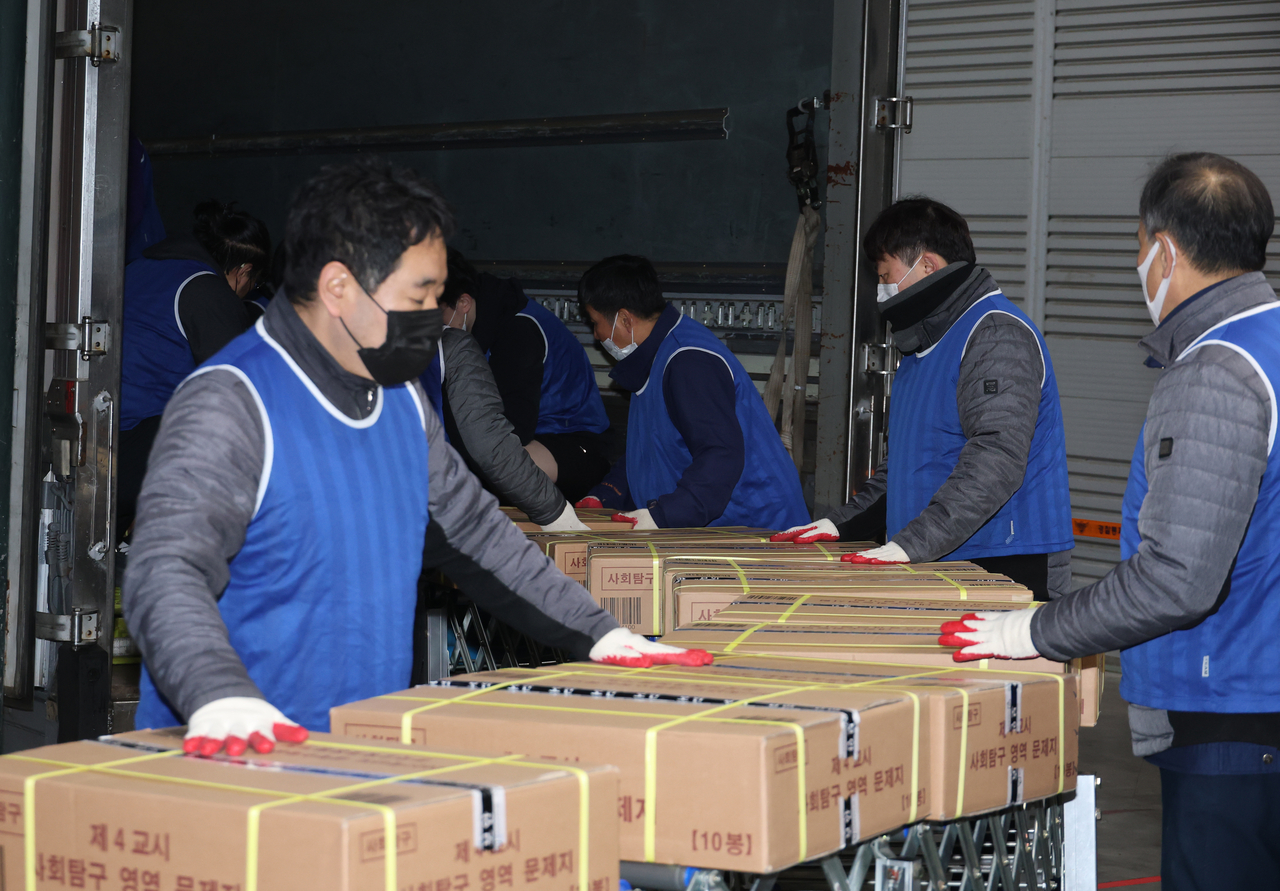
The Seoul Metropolitan Government announced Monday a comprehensive set of transportation measures for students sitting the 2027 College Scholastic Ability Test on Thursday, including increased subway service, free emergency transport vehicles and steps to create a quieter environment around test sites.
A total of 113,454 students are scheduled to take the exam at 228 test sites across Seoul this year. Students must check in at their designated sites between 6:30 a.m. and 8:10 a.m. on exam day.
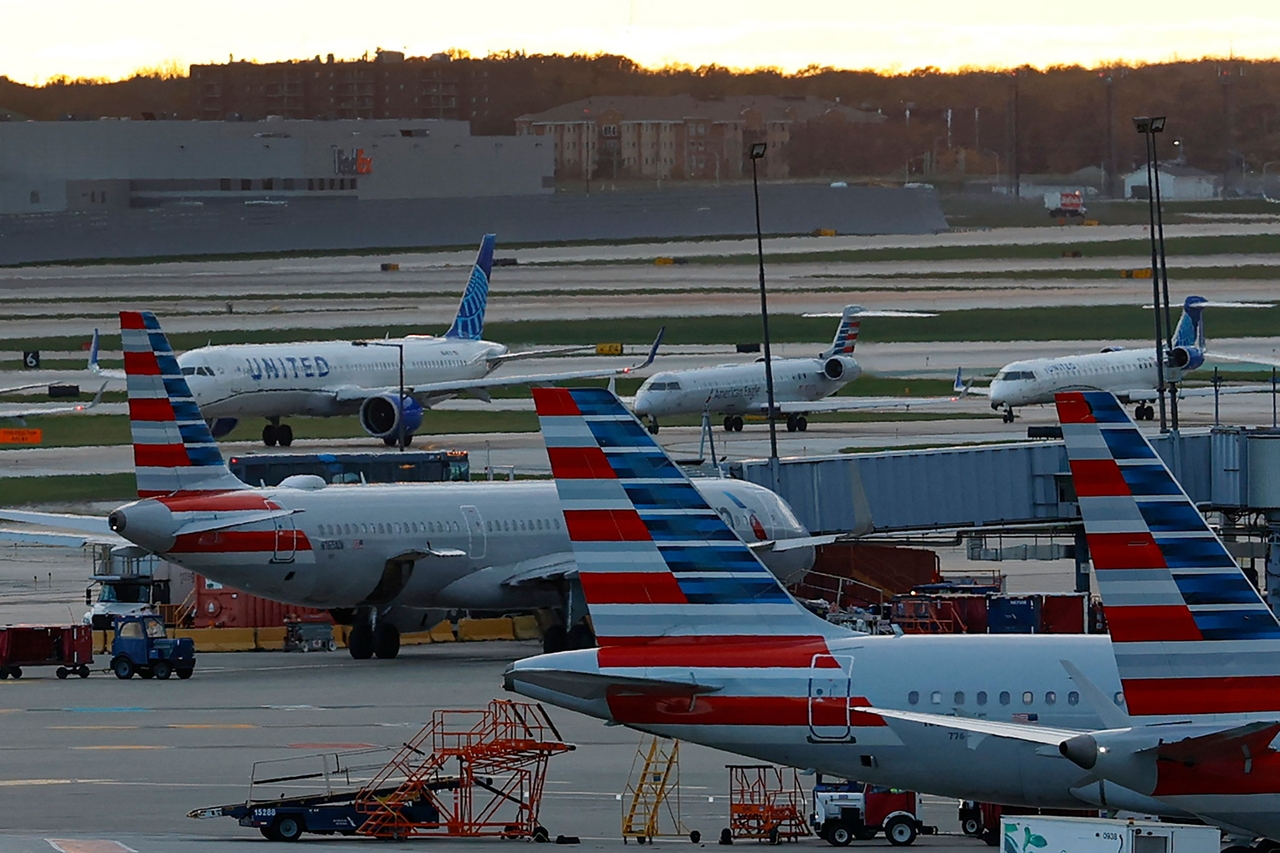
Seoul's subway system will run 27 additional trains compared with a normal day, with service concentrated between 6 a.m. and 10 a.m. to ease congestion. Spare trains will also be kept on standby in case of breakdowns or other emergencies.
City and neighborhood bus services will adjust their peak-frequency windows to cover both the morning check-in period and the post-exam departure rush. Buses will maintain minimum headways from 6 a.m. to 8:10 a.m. and again from 6 p.m. to 9 p.m. on exam day.
Staff at subway stations near test sites and bus drivers on routes passing those sites will actively guide students to their exam venues during the check-in window. Stations adjacent to test sites will post directional signs and broadcast announcements indicating which exits lead to the venues, and station staff will be positioned at fare gates and waiting areas during the morning rush to assist students.
Each district will deploy 614 vehicles marked as exam transport support cars at subway stations, bus stops and major intersections near test sites, ready to ferry students at risk of arriving late — free of charge.
The Seoul Facilities Corporation will also give priority dispatch to disability call taxis registered to students with disabilities, ensuring they can reach their test sites and return home safely after the exam.
Beyond transport, Seoul plans to temporarily halt inspections and construction work near test sites that generate noise, so students can concentrate in a quiet environment. The city has also asked bus and taxi operators' associations to refrain from honking, sudden acceleration and hard braking during the exam.
According to the Korea Institute for Curriculum and Evaluation, 551,864 students registered for this year's exam, down 2,310, or 0.4 percent, from the previous year. Recent trends suggest the actual number of test-takers could end up higher than registrations, however. Notably, if this year's figure exceeds last year's tally of 493,896 by more than 6,000, the number of CSAT test-takers would surpass 500,000 for the first time in eight years since the 2019 exam cycle.
"This year as well, we will provide all-around transportation support so students can focus entirely on the exam and achieve the results they are aiming for," said Yeo Jang-gwon, head of the Seoul Metropolitan Government's transportation bureau. "We also ask the general public to cooperate by adjusting their commute times and using public transit."
ikson@heraldcorp.com