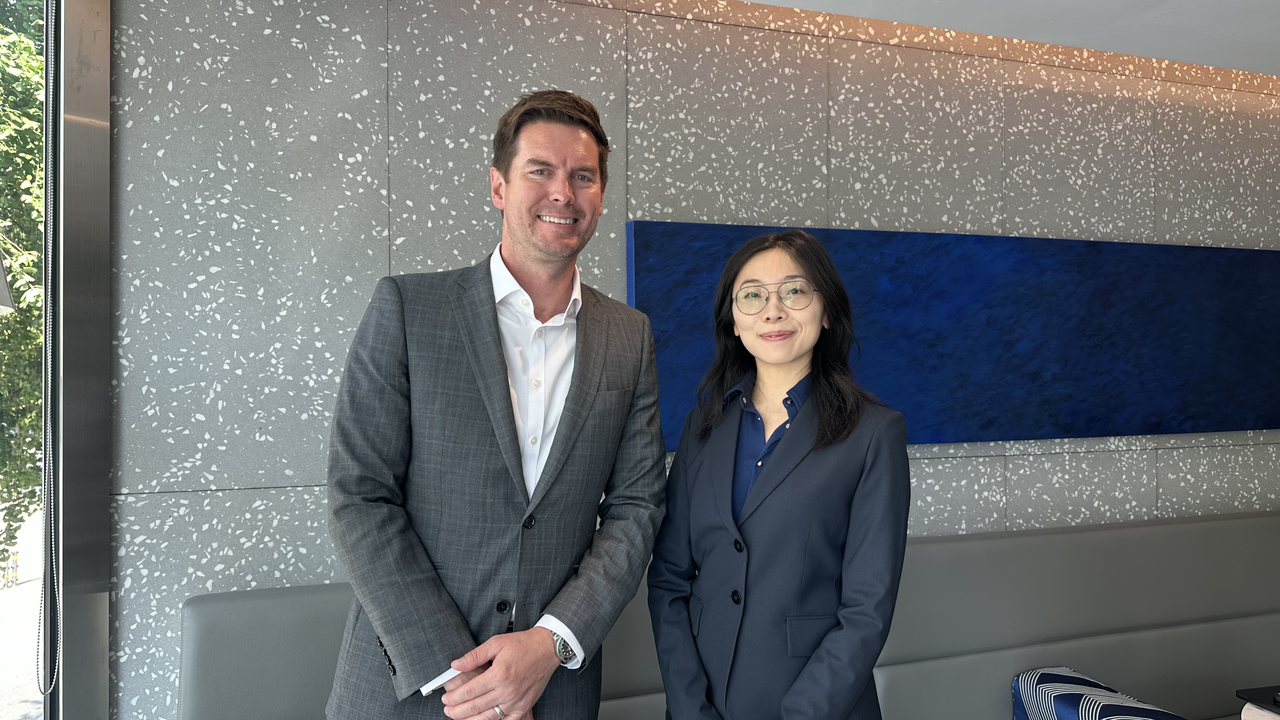
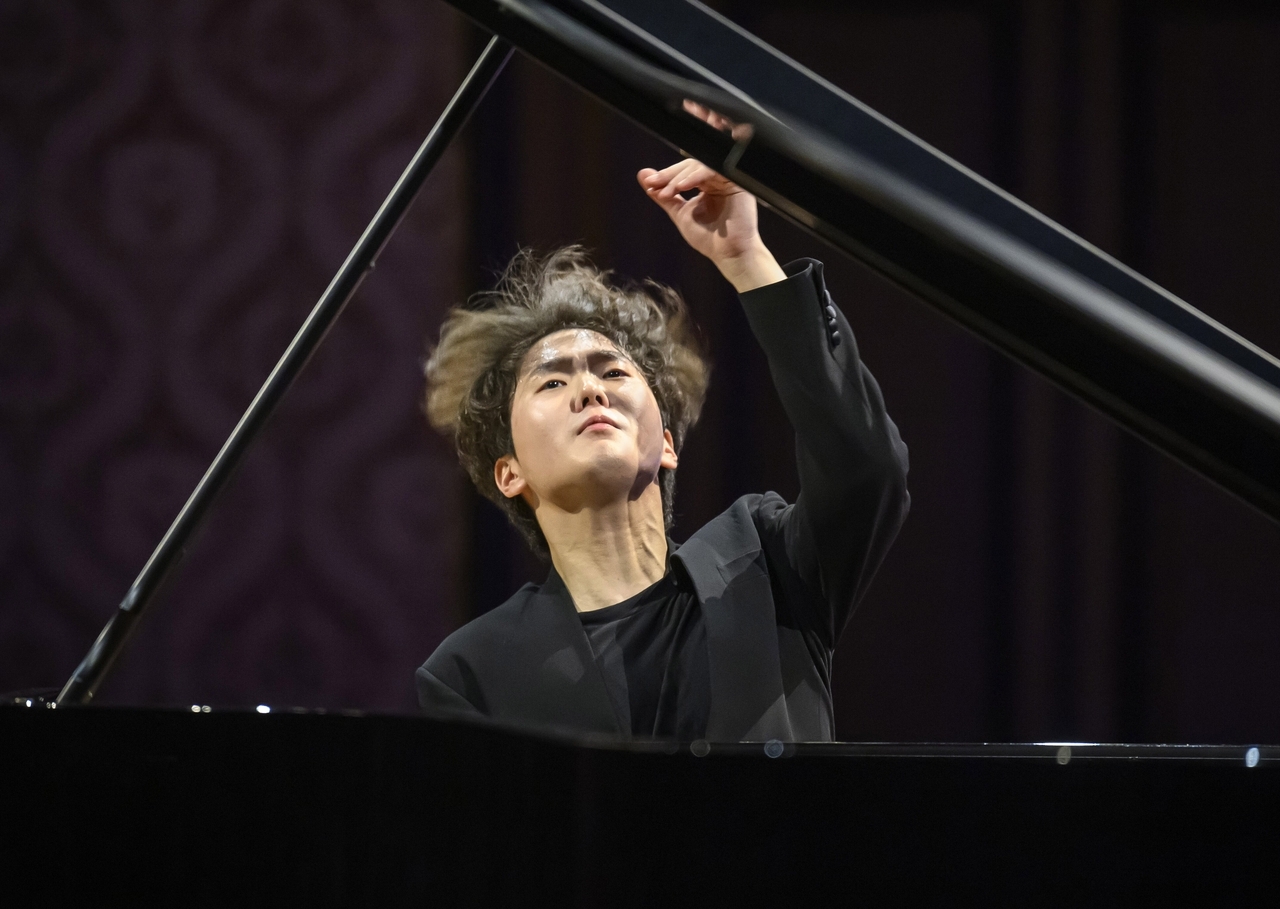
Gary Rose, CEO of Candu Energy, which designed the Wolsong nuclear plant, highlights Korea's competitive edge across the full nuclear supply chain — design, components and construction — while cautioning that permitting delays and cost overruns remain key risks
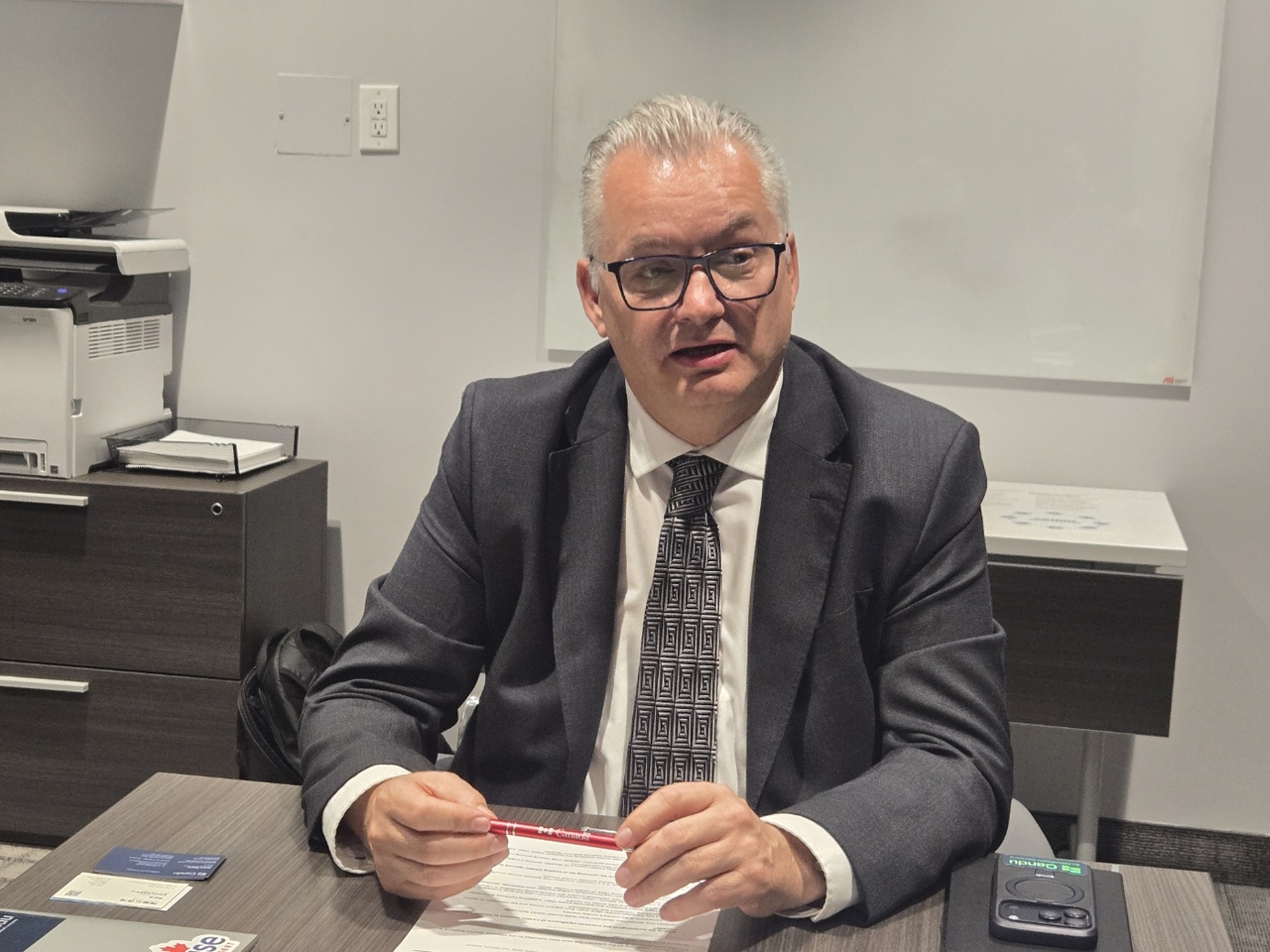
"Korea has the APR1400 reactor, and it also has excellent companies, suppliers, manufacturers and construction firms. The ability to leverage all of that is why I think building eight nuclear power plants in the United States represents a real opportunity for Korea."
Gary Rose, CEO of Candu Energy, the Canadian nuclear firm that designed Wolsong Units 1 through 4, made those remarks in a recent interview, offering his assessment of the "nuclear framework" — South Korea's second major investment commitment to the United States. Rose said Korea's advantage lies not just in exporting reactors to the US, but in bringing the full competitiveness of its nuclear supply chain to bear, spanning design, components and construction.
Candu Energy is a subsidiary of Canadian engineering firm AtkinsRéalis and holds the original technology behind the CANDU heavy-water reactor used at the Wolsong plant. That connection has drawn close attention to whether Wolsong Units 2, 3 and 4 — which began commercial operations between 1997 and 1999 — will be approved for continued operation.
Rose, who has watched South Korea's nuclear industry grow at close range, said the country's already-established nuclear ecosystem underpins his view of the US investment as an opportunity.
South Korea and the United States agreed Thursday on a comprehensive "nuclear framework" as part of Seoul's US investment package, covering the construction of eight large nuclear power plants in the US at a total cost of up to $120 billion. The South Korean government said it plans to finalize details — including sites, project structures and construction schedules — for each individual project before conducting commercial viability reviews and reporting to the National Assembly to determine whether to proceed.
Rose said he expects US demand for nuclear power to grow substantially in the years ahead.
"I've heard that the US is already the world's largest nuclear operator by number of reactors, with more than 90," he said. "The projection is that four times that number will be needed going forward."
The remark reflects the view that the spread of AI data centers and rising electricity demand could drive the US to build far more nuclear capacity than it currently operates. "In that context, building eight reactors is a great opportunity to support America's expansion," Rose said. "I'm not entirely clear on the exact economic terms of what the US has asked Korea to invest, but I do think the opportunity is there for Korea."
He was quick to add, however, that opportunity does not guarantee success. He identified permitting and construction timelines as the biggest variables in any nuclear project.
"In most jurisdictions, including Canada, the approval and licensing process for nuclear construction has traditionally taken far too long," he said.
He said the industry needs to find ways to shorten the approval process, secure predictable construction schedules tied to cost and timeline targets, and repeat that performance consistently.
The risks Rose described are not hypothetical. When Westinghouse built its next-generation AP1000 reactors at the Vogtle plant in Georgia and the Summer plant in South Carolina, the projects were severely delayed by repeated design changes, technical defects and tightening regulations. Westinghouse ultimately filed for bankruptcy protection in 2017 and was later sold to investors including Canadian private equity fund Brookfield Business Partners, undergoing a major restructuring.
"The advantage of AP1000 technology — like Candu technology — is that while it isn't entirely new, it may be the most significant innovation to come along in quite some time," Rose said. "In nuclear construction, the contractor is everything."
He added that Korea's construction partners include Daewoo Engineering & Construction (Daewoo E&C), Hyundai Engineering & Construction (Hyundai E&C) and Samsung C&T, among others. "These are our partners, and we look forward to working with more of them in more places," he said.
"If we can collaborate well and build a great team together, I can't think of a reason why we wouldn't keep working together," he said.
Rose also noted that demand for nuclear energy is growing strongly. "Some countries will choose Korean technology, and others will choose Canadian technology," he said.
"We need to think about how to work together so we can actually deliver," he said, adding that he is already in discussions with Korean developers about opportunities to collaborate.
oskymoon@heraldcorp.com