New candidate sites named for urban public housing complex project
Listings pulled, buying inquiries stir, but transactions stay quiet
Villa owners welcome the plan; single-family and multi-unit landlords skeptical
Coordinating residents' interests seen as key: 'It depends on the will of the government and local authorities'
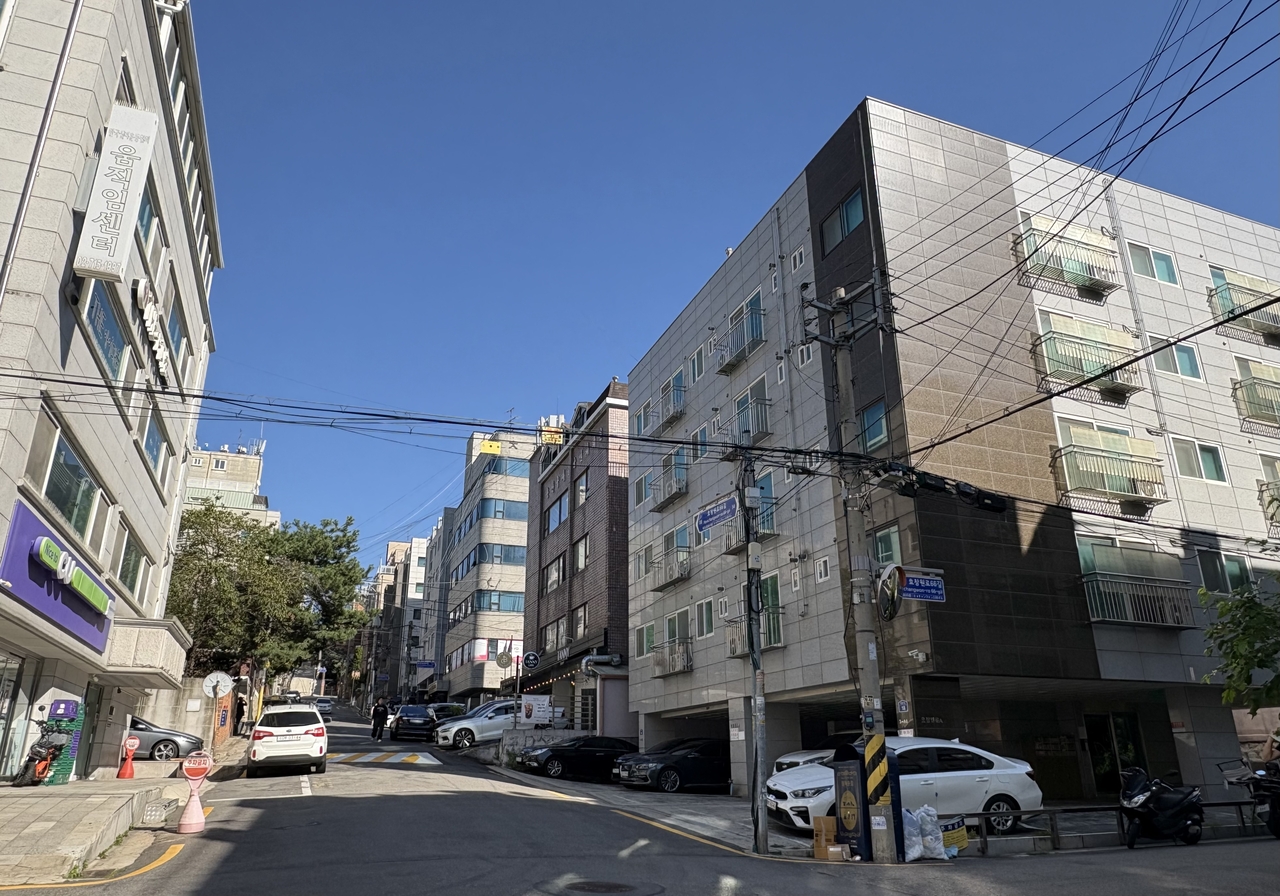
Two-room villas that used to sell for around 600 million to 650 million won ($484,000) are suddenly being listed at 1 billion or 1.2 billion won — who's going to buy at that price? Some owners pulled their listings because they think prices will climb even higher now that the area has been named a candidate site.
The area north of Hyochang Park Station in Yongsan-gu, Seoul — newly designated as a candidate site for an urban public housing complex project — was buzzing with development expectations. Residents who spoke with a reporter on Tuesday said some villa owners had sharply raised their asking prices and that buying inquiries had increased noticeably. Even so, the higher prices have yet to translate into actual sales.
The urban public housing complex project is a government-led initiative to densely redevelop aging transit-oriented areas and low-rise residential neighborhoods where private redevelopment has been difficult to carry out. The program relaxes regulations such as floor-area ratio limits to improve project viability and streamlines procedures to accelerate timelines. The area north of Hyochang Park Station falls under the "high-density residential-commercial district" category, which targets dense development around transit hubs.
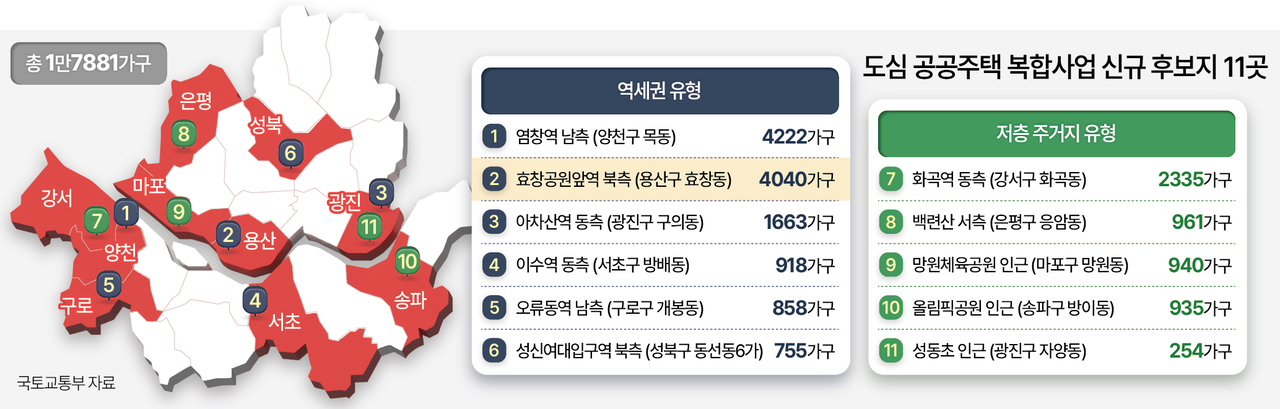
On Sept. 30, the Ministry of Land, Infrastructure and Transport designated 11 sites in Seoul as new candidate sites for the urban public housing complex project, including the 93,262-square-meter area north of Hyochang Park Station. The total projected supply across all sites is 18,000 units, with about 4,040 of those planned for the Hyochang Park Station north zone — the second-largest allocation after the 4,222 units slated for the area south of Yeomchang Station in Yangcheon-gu.
The local housing market shifted almost immediately after the announcement. The head of a real estate agency in Hyochang-dong said that before the announcement there had been no buying inquiries at all, but that over the past week calls had been coming in roughly every other day. Some villa owners, he added, had withdrawn listings they had previously put on the market.
As buyer interest grew, so did prices. The same agent said that before the candidate-site announcement, the going rate for properties with a land share of 16 square meters or less had been 100 million to 130 million won per 3.3 square meters, while those with a land share between 16 and 33 square meters had traded at around 100 million won per 3.3 square meters. Since the announcement, average asking prices have risen by roughly 10 percent across the board.
But buyers willing to meet the new asking prices have been hard to find. The head of Agency A said buyers would likely be willing to pay somewhere in the 700 million to 750 million won range — a modest step up from previous levels — but that the gap between what sellers want and what buyers will pay has grown too wide. "There are no listings and no deals," he said.
Some in the area urged caution, noting that being named a candidate site does not guarantee the project will go ahead. The government plans to hold public information sessions for residents at each candidate site this month and aims to designate preliminary project zones in the first half of next year. Full zone designation becomes possible only after securing the consent of at least two-thirds of landowners and holders of at least half the total land area within one year of the preliminary designation date.
Within Hyochang-dong, residents' views diverged sharply depending on the type and size of property they own. Villa owners, who stand to benefit most from development gains, were broadly supportive, while owners of multi-unit rental properties and those with large land shares voiced discontent.
A representative at Agency C said owners of small villas bought for investment purposes welcomed the plan, while owners of larger homes were pushing back, asking why the government should be able to do as it pleases with their land. Some, the representative added, had even raised the possibility of legal action. Another industry official said landlords collecting 10 million won a month in rent had no obvious reason to cheer for redevelopment.
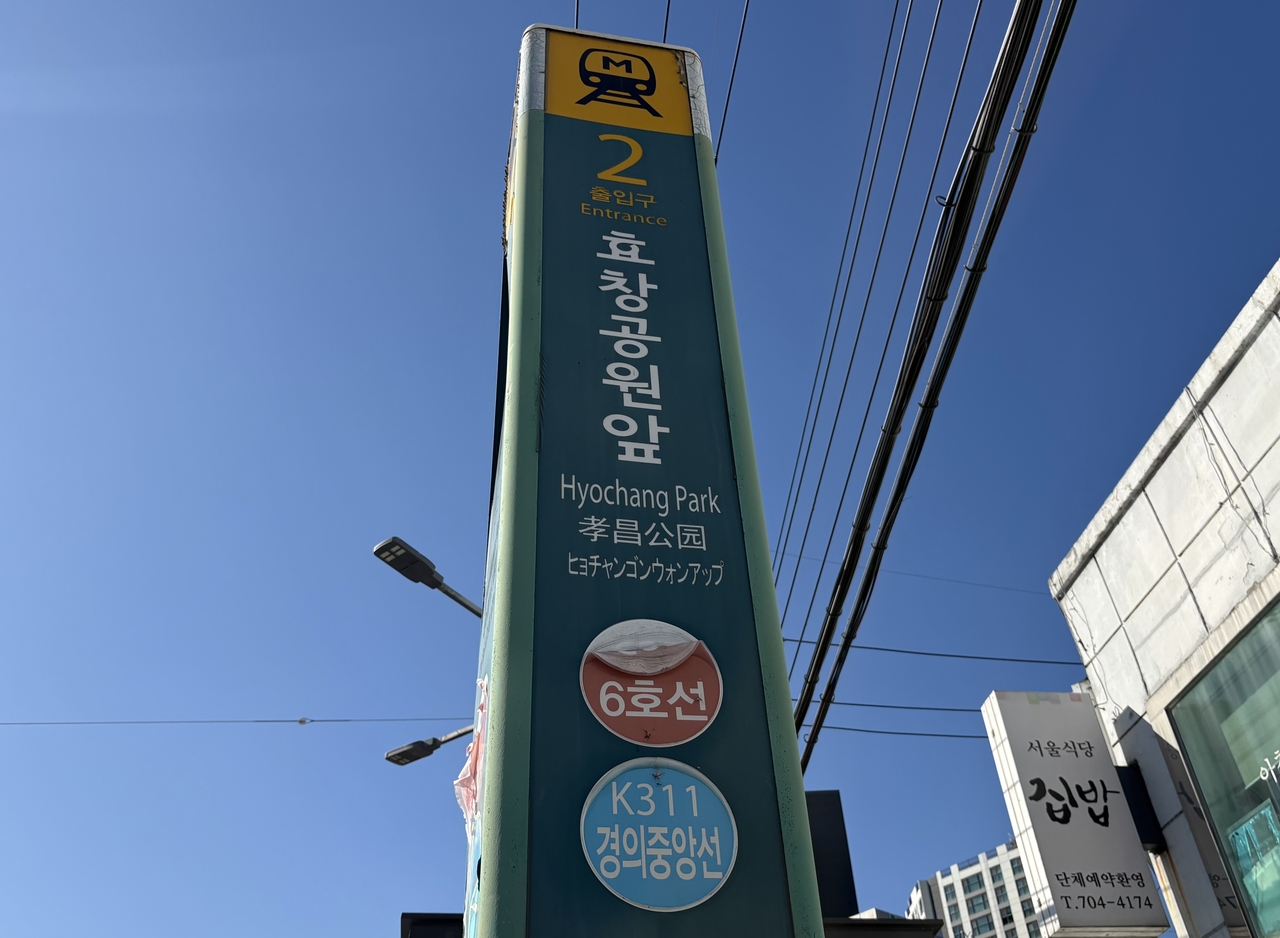
The sheer number of redevelopment projects already under way in the area was also cited as a challenge ahead. The vicinity of Hyochang Park Station is already home to multiple ongoing projects, including an urban public housing complex project near the station that completed its full zone designation in July, as well as a redevelopment project in Wonhyo-ro 1-ga.
A local real estate agent questioned how all the residents could be relocated in time for a ground-breaking within four years and said relocation bottlenecks and other disruptions would need to be carefully managed. The agent added that friction was inevitable as residents work through the details — cost-sharing arrangements, the ratio of rental units and other project terms.
Another agency head said some people had mistakenly assumed the project was already a done deal simply because the site had been named a candidate. "When I get calls, I tell people nothing has been decided yet — don't get swept up in it, just wait and see," he said.
Experts said resident buy-in would be essential for the project to proceed smoothly. Yoo Sun-jong, a real estate professor at Konkuk University, said the designation of a large-scale candidate site in Yongsan-gu, in the heart of Seoul, reflected the Seoul Metropolitan Government's underlying commitment to the initiative. "In a situation where housing supply is falling short, this can deliver results faster than the private sector," he said.
Yoo added that coordinating with property owners over criteria such as occupancy rights could be a drawn-out process, but said the outcome would be strong if the central government and local authorities pursued the project with genuine resolve.
Meanwhile, the other sites designated alongside the Hyochang Park Station north zone include the area south of Yeomchang Station in Yangcheon-gu (4,222 units), the area east of Hwagok Station in Gangseo-gu (2,335 units) and the area east of Isu Station in Seocho-gu (918 units). The Ministry of Land, Infrastructure and Transport also plans to launch an additional candidate-site application process targeting the greater Seoul metropolitan area in the first half of next year.
shy@heraldcorp.com
hope@heraldcorp.com