Onuri gift vouchers under scrutiny at national audit
A vegetable stall of about 16 square meters processed 12.2 billion won in vouchers
Registered address linked to a different retailer, raising fraud suspicions
Sale of 8 million won imported audio equipment also flagged
Lawmakers also question shared-delivery app, Yellow Umbrella fund and youth jobs
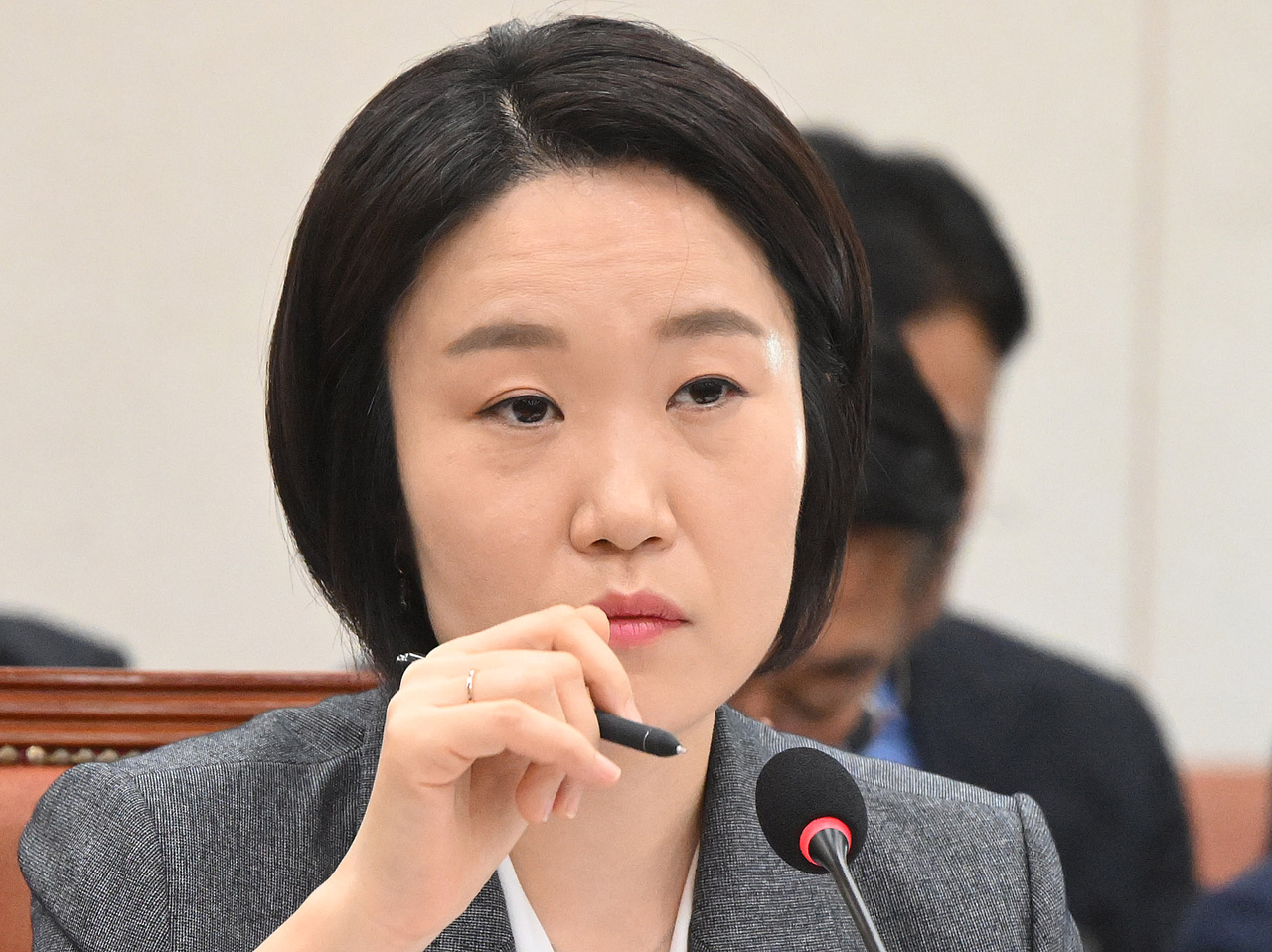
Minister of SMEs and Startups Lee So-young said Wednesday she would work with the National Tax Service and other relevant agencies to investigate how a vegetable stall of about 16 square meters in a traditional market in Gwangju processed 12.2 billion won ($9.08 million) in Onuri gift vouchers last year.
Lee made the pledge at the National Assembly's audit of the Ministry of SMEs and Startups, after Democratic Party lawmaker Kim Won-i raised concerns about the voucher transaction records of a traditional market cooperative in Gwangju. "Thank you for pointing this out," Lee said, adding that she would investigate the matter and report back before the comprehensive audit.
According to Kim, the cooperative's Onuri voucher transactions totaled 12.2 billion won last year, the fourth highest among all registered merchants nationwide. The registered merchant is a vegetable stall of about 16 square meters.
Sales also surged in a short period. The cooperative's revenue jumped from 500 million won in 2023 to 11 billion won in 2024, then climbed further to 12.8 billion won last year.
Discrepancies between the registered merchant information and actual business operations were also flagged. When Kim's office visited the address and made a purchase, the receipt showed the name of a different retailer — not the Onuri-affiliated cooperative.
Kim said it was necessary to determine exactly where and how the 12.2 billion won in transactions took place, noting that large-scale wholesale deals may have occurred at a separate location or that trades between merchants could be involved. Kim's office had requested supporting transaction documents, but sufficient materials were not submitted, and the Korea Federation of SMEs and Market Service was also unable to verify the specific transaction details.
The audit also heard concerns about the use of Onuri vouchers to purchase high-priced imported goods online.
People Power Party lawmaker Park Sung-min said imported audio equipment priced at around 8 million won, along with other expensive foreign electronics, was being sold through the online traditional market channel. Lee said she would review placing restrictions on the types of products sold through that channel.
Lawmakers also questioned the effectiveness of small business support policies. Democratic Party lawmaker Heo Sung-mu noted that 120 billion won of the 124 billion won budgeted for next year's shared-delivery app initiative was earmarked for discount coupons, arguing that relying solely on coupon-driven user acquisition would not give the platform the self-sustaining competitiveness needed to challenge large private delivery platforms.
Lee said the ministry was gathering ideas on how to restructure the 120 billion won coupon budget.
Democratic Party lawmaker Jeon Eun-su raised the issue of small business owners being hit with national health insurance premiums twice — once when they pay into the Yellow Umbrella mutual aid fund from income already subject to premiums, and again when they withdraw early, as the returned money is classified as miscellaneous income and taxed accordingly. National health insurance premiums levied on early Yellow Umbrella lump-sum withdrawals over the past five years totaled 112.8 billion won.
Lee said the situation appeared to constitute double taxation, as contributors had already paid health insurance premiums on the principal and were then charged again when the returned funds were treated as new income. She said she would consult with the Ministry of Health and Welfare on improving the system.
Lawmakers also called on the ministry to make youth employment a core policy priority. Independent lawmaker Kim Jong-min noted that small and medium-sized enterprises account for more than 80 percent of domestic jobs, yet the ministry has no key performance indicators related to employment, and urged a shift in policy direction.
Calls were also made to strengthen relief mechanisms for companies that have had their technology stolen. People Power Party lawmaker Kim Do-eup urged the creation of a relief fund to support litigation and dispute mediation for affected businesses.
Lee also said she would discuss with the National Assembly ways to keep the Youth Entrepreneurship Academy alive, after the program was left out of next year's government budget proposal.
boo@heraldcorp.com