'Nothing has been decided,' Song says, vowing to protect rice as top priority
CJ CheilJedang, Samyang chiefs apologize over flour and sugar price-fixing
Minister rebuffs claims that egg-layer association dissolution was predetermined
Farmland probe to distinguish routine violations from speculative illegal use
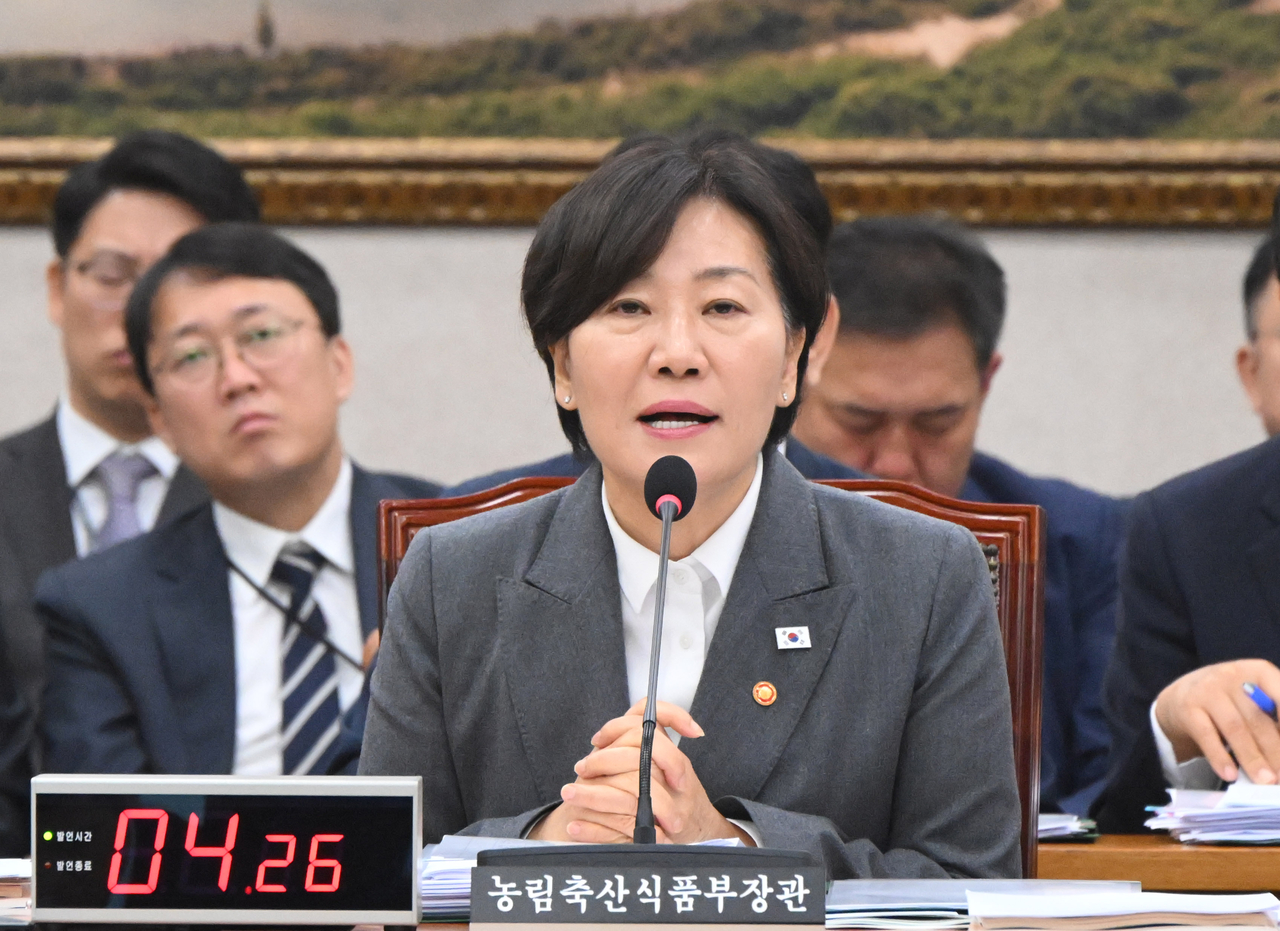
Agriculture, Food and Rural Affairs Minister Song Mi-ryeong said Wednesday that South Korea's bid to join the Comprehensive and Progressive Agreement for Trans-Pacific Partnership should be reviewed from scratch, while reaffirming that rice would be treated as the country's top protected commodity. The national audit of the ministry also saw the heads of two major food companies apologize for price-fixing, and drew sharp exchanges over the dissolution of an egg-layer industry association and the government's farmland survey.
At the National Assembly's agriculture and fisheries committee audit on Wednesday, Song said on the CPTPP question that "nothing has been decided," adding that she understood the government's position to be that any decision would be guided by the national interest and public opinion.
With the government opting to revisit the CPTPP accession process from the beginning, the question of opening the agricultural sector to market competition is expected to be debated anew. A recent government economic impact analysis found that joining the CPTPP would lift real GDP by 0.38 percentage points a decade after the agreement took effect, but would reduce output in agriculture, forestry and fisheries by an annual average of about 850 billion won ($633 million) over the following 15 years.
When Democratic Party of Korea lawmaker Lee Gae-ho asked whether CPTPP member countries would demand a high level of agricultural market liberalization from South Korea, Song said they would "probably demand the highest level of liberalization."
She drew a firm line on rice in particular. "Rice is truly an ultra-sensitive commodity for us," Song said. "Our position is that it must be protected as the top priority."
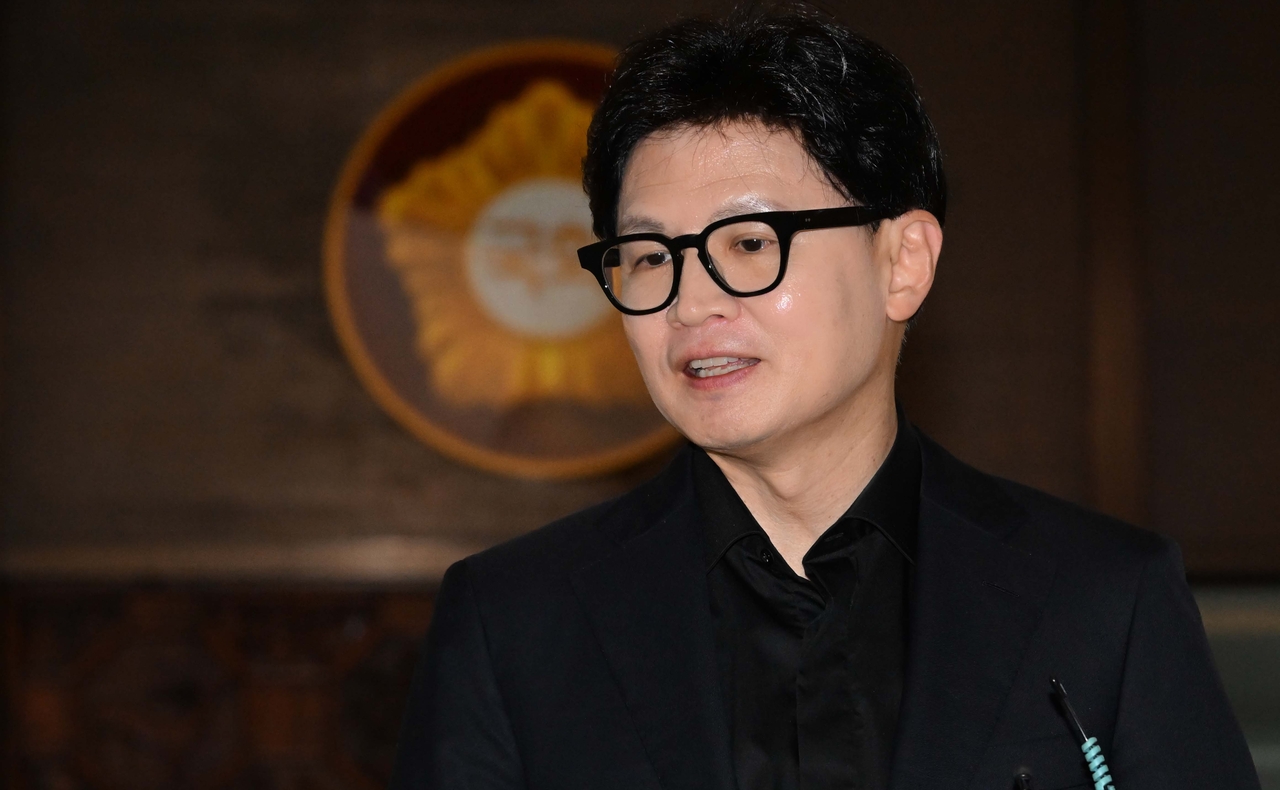
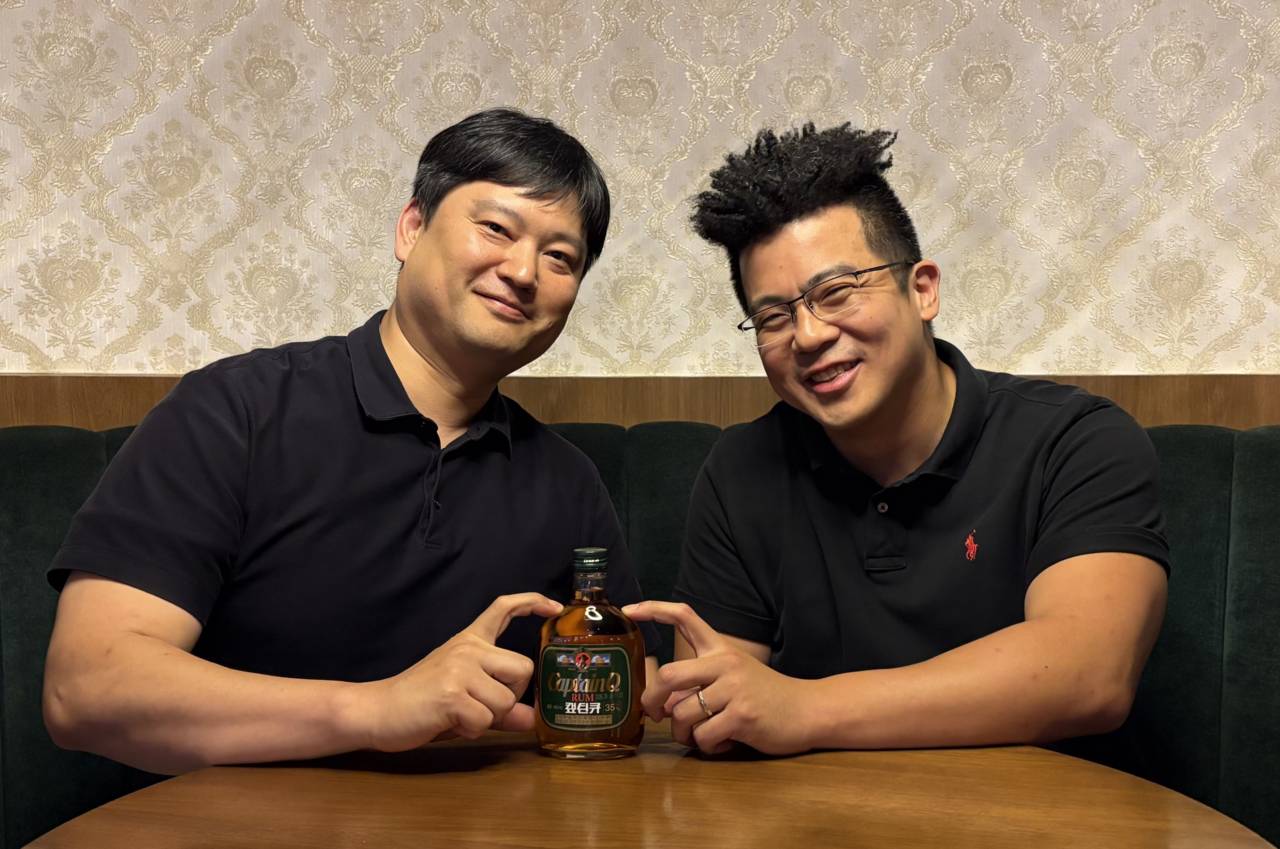
Price-fixing in the food industry also came under scrutiny. The chiefs of CJ CheilJedang and Samyang appeared as witnesses and apologized after the Korea Fair Trade Commission sanctioned both companies for colluding on flour and sugar prices.
Democratic Party lawmaker Yun Jun-byeong said the probe had exposed "organized collusion and cartel behavior by leading food companies," and pressed the ministry on its supervisory responsibilities.
CJ CheilJedang chief Kim Chan-ho bowed in apology on behalf of the company, saying it had "undermined fair competition and failed to live up to the expectations of the market and our customers." Samyang chief Lee Un-ik also apologized, saying the company had "failed to keep trust," and pledged to strengthen internal controls and compliance management.
Song agreed that the ministry needed to tighten its oversight role, but said "there are areas where we do not have the authority to compel action."
The revocation of the Korea Egg Producers Association's establishment permit also sparked debate. When Democratic Party lawmaker Lim Mi-ae suggested the process — from the Fair Trade Commission probe to the ministry's action — had been carried out with a predetermined conclusion, Song rebuffed the claim as "an unreasonable characterization."
"The dissolution order was not issued because the Fair Trade Commission found collusion — it was because the association acted against its founding purpose," Song said. "Its establishment conditions explicitly prohibit announcing prices, and it did so repeatedly despite multiple warnings."
On criticism that the government's egg imports had undermined domestic production, Song pushed back. "People were struggling because eggs were expensive and hard to find," she said. "Imports were a means to address that situation — saying we trampled on our farmers in the process goes too far."
On follow-up measures from the nationwide farmland survey, Song reaffirmed the government's plan to distinguish between routine violations and speculative illegal use when deciding how to respond.
"The purpose of this survey is to accurately assess the ownership and use of farmland across the country, so that we can reform a 30-year-old farmland regime to fit a changed rural environment — one shaped by aging and other shifts," Song said.
The government plans to pursue institutional reform and regularization for common, routine violations rather than ordering disposal of the land, while putting speculative illegal use through a formal explanation process before issuing disposal orders.
"We will bring unreasonable rules in line with reality and create an environment where farmers can farm with peace of mind," Song said.
adastra@heraldcorp.com