Hangul Day is, at its core, a day for the written script — but we have come to think of it more broadly as a day for language itself. Calls to use proper Korean and to be mindful of foreign-language borrowings are all extensions of that linguistic concern. In that sense, Hangul Day has become Korean Language Day: a moment to reflect deeply on both our script and our speech. Yet, as is often noted, Hangul Day is only Hangul Day — one day a year — and that is precisely why meaningful change is so hard to sustain.
Because Hangul Day centers on the script, there is a tendency to treat the use of hanja as something close to a transgression, and that attitude has been growing stronger of late. Some people see a hanja sign on a storefront and immediately think of China — even though the Chinese characters used in China differ from those used in Korea. People bristle at hanja yet shrug at the Latin alphabet, which lines every street and fills every television screen. Hangul Day is a day for hangul, and the question of the Latin alphabet deserves the same honest scrutiny we apply to hanja. Even King Sejong, who created hangul, almost certainly never intended to abolish hanja entirely. I am not calling for a ban on the Latin alphabet either. The point is that both hanja and the alphabet deserve thoughtful, deliberate use.
Every Hangul Day, the media is flooded with stories about literacy. Children's reading comprehension is mocked with extreme anecdotes, and smartphones, video games and a lack of reading are blamed for the supposed decline. The argument that children no longer learn hanja is never far behind. Opinions on hanja education tend to be sharply divided. But would teaching hanja actually improve literacy? Even those who make that claim often seem to conflate literacy with vocabulary. It is true that a large share of Korean vocabulary has Chinese-character roots, but in most cases the problem is not ignorance of hanja — it is simply that people have not studied the words themselves. After all, how many people who invoke the word "vocabulary" could explain what its hanja characters actually mean?
Adults who worry about children's literacy often give me pause. They fret about children's smartphone use, yet adult smartphone habits are hardly better. They worry about children playing video games, yet many adults spend entire days absorbed in YouTube. Most troubling are the adults who complain that young people do not read — because South Korea's adult reading rate is nothing short of embarrassing. A 2025 survey on adult reading found that six in 10 adults had not read a single book in the past year. These same people, who never pick up a book themselves, are anxious about whether children are reading enough. In reality, young people read far more than adults do. The single most effective way to encourage a child to read is to model the habit yourself. How many books have you read this year?
The debate over whether to teach hanja raises one more critical question: are there enough people qualified to teach it? Many of those who advocate for hanja education do not actually know much hanja themselves — not difficult characters, but even the basics. University textbooks from several decades ago were filled with hanja; most of those books are now effectively obsolete because so few people can read them. Some academic journals still require hanja, but citation rates drop when hanja appears heavily, simply because readers cannot engage with what they cannot read. Even setting aside the question of universal hanja education, I do worry seriously about the dwindling number of specialists in classical Chinese writing. Who will be left to read and understand the works our own scholars wrote in the past?
It is undeniable that hangul has enriched our linguistic lives. Without it, countless people would still be unable to read or write. Believers could not read the Bible or Buddhist scriptures. Writing a simple letter would have been a struggle. Sending or reading a text message would be unthinkable. The thought alone is sobering. The creation of hangul was a profound gift. But we must also remember the world that hangul was meant to reveal.
No one should be left behind because they cannot read. A world where people are discriminated against or disadvantaged because of literacy is not a just world. And it is not only about literacy. No one should face discrimination for not knowing a foreign language, and no one should face discrimination for not knowing Korean. No one should be diminished for any reason. We must hold one another in esteem. The heart of literacy is not comprehension — it is action. If you have read something, you must live accordingly. If you have truly read about King Sejong's creation of hangul, you should be wrestling with what it means to be distinctly ourselves, and you should be dreaming of a world without discrimination. That is the world hangul was created to bring into being.
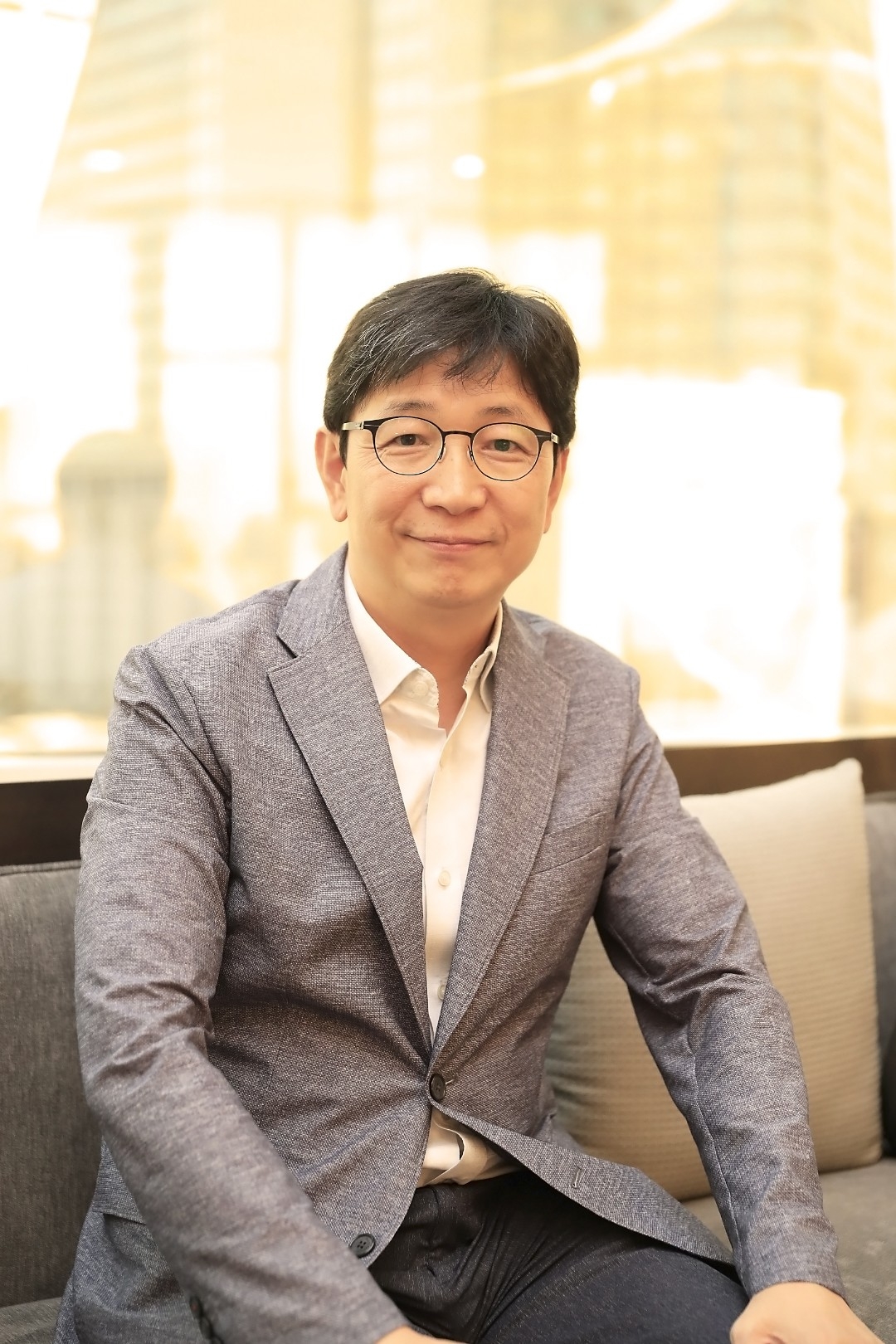
By Cho Hyun-yong, professor at Kyung Hee University
bigroot@heraldcorp.com