Combined operating profit forecast at 21.32 trillion won this year, topping GM by 1.2 trillion won
Group poised to repeat last year's second-place finish among global automakers
Kia's operating margin of 8.1% expected to lead all mass-market automakers
Hybrid expansion, local production and premium models drive resilience
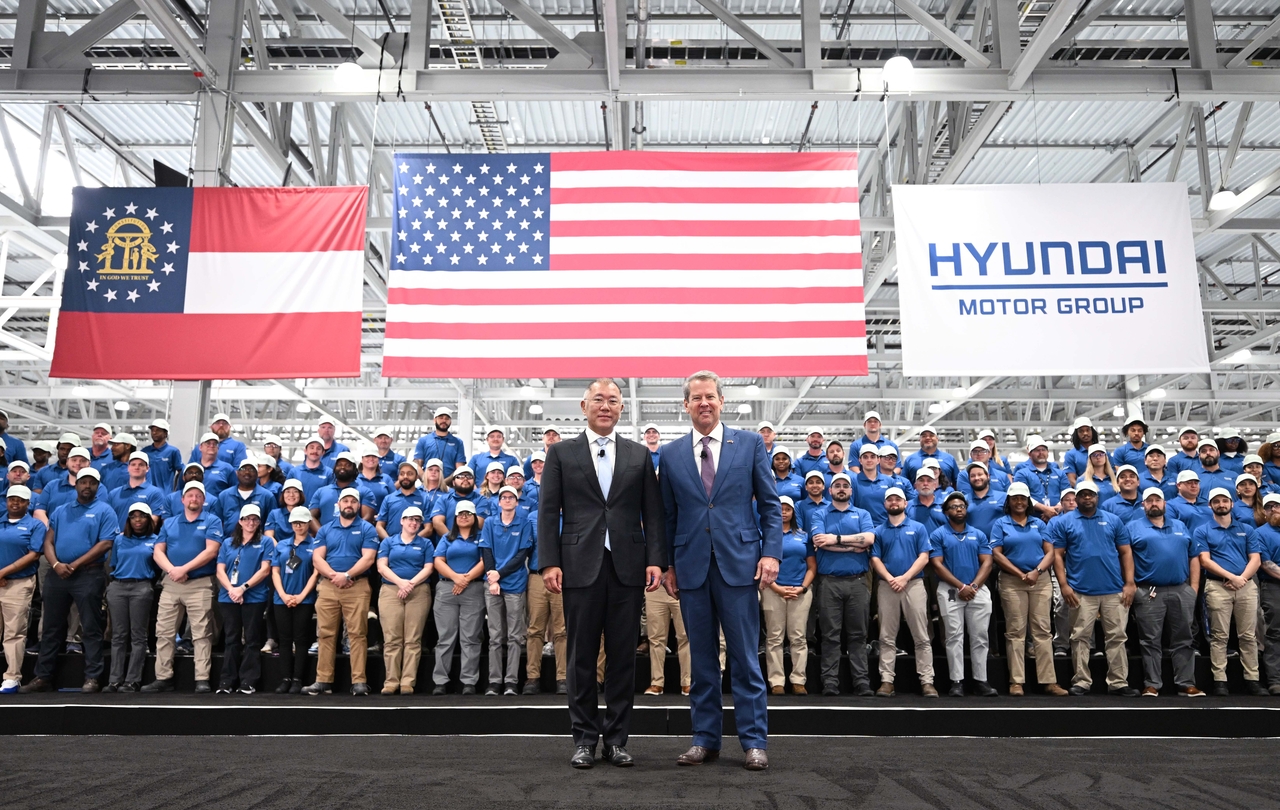
Hyundai Motor Group's earnings power has held firm despite US tariffs, slowing electric vehicle demand and intensifying competition from Chinese automakers. Having surpassed Volkswagen Group in operating profit for the first time last year to claim second place globally, the group is on track to defend that ranking this year. Though it ranks third in global vehicle sales, its focus on hybrid electric vehicles, Genesis models and high-margin SUVs has kept it a step ahead of rivals in profitability.
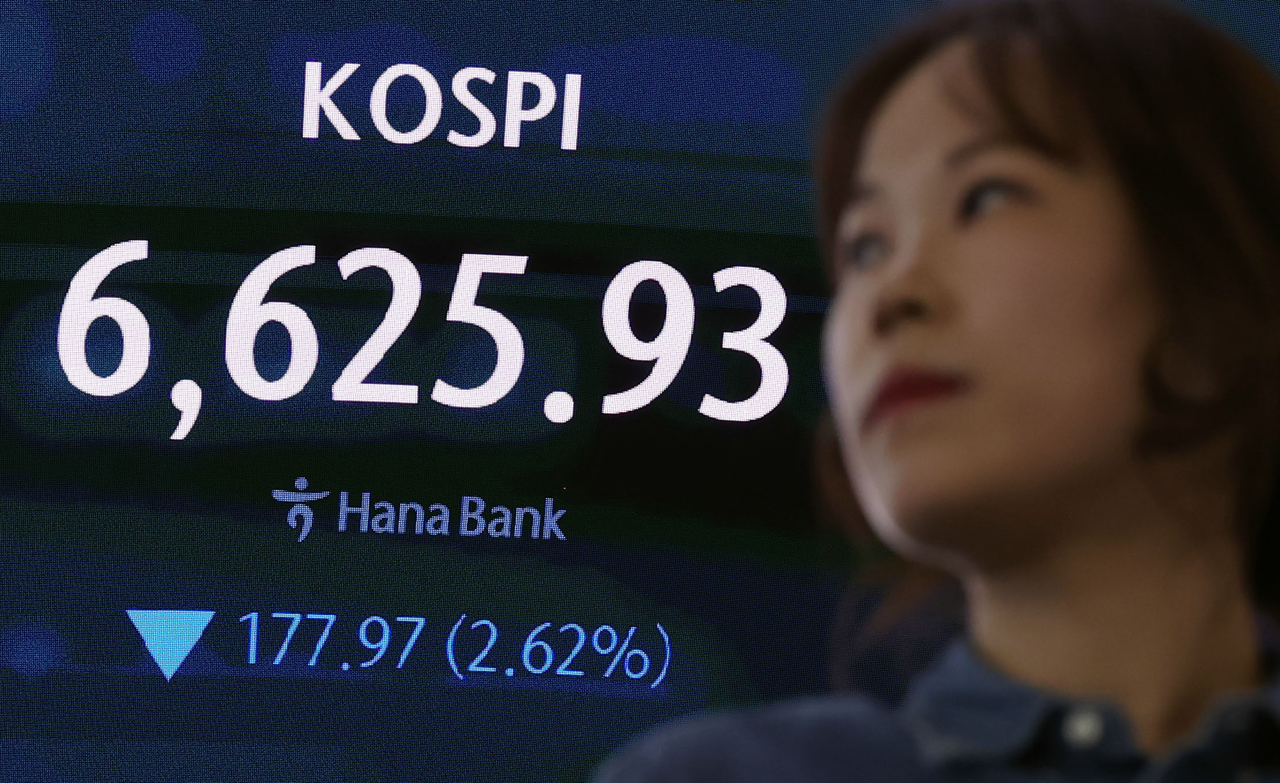
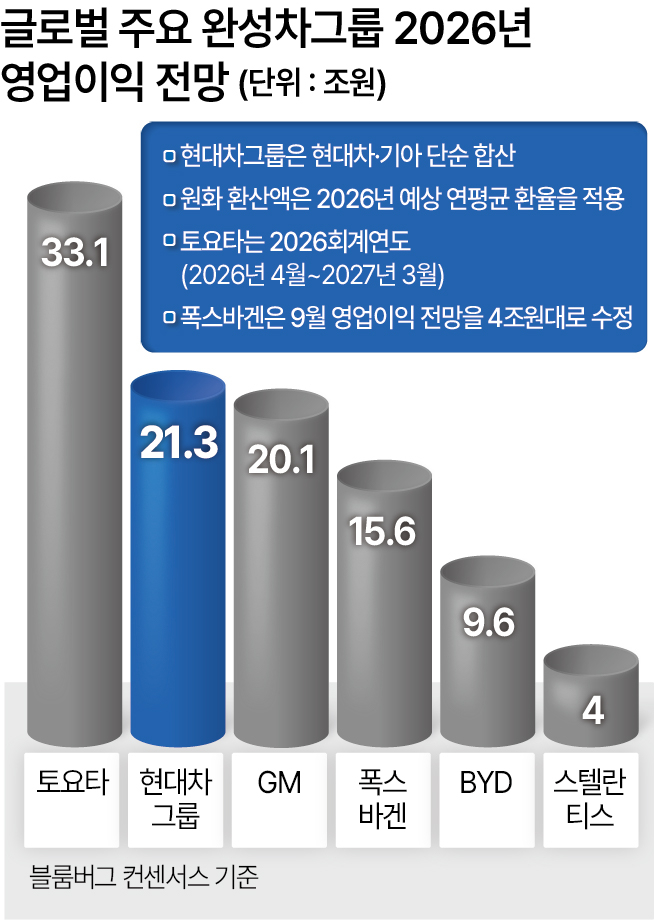
An analysis of Bloomberg consensus estimates shows that Hyundai Motor and Kia are expected to post annual operating profits of 11.26 trillion won ($8.41 billion) and 10.07 trillion won, respectively, this year. Combined, the two automakers are projected to record 21.32 trillion won in operating profit.
That would make them the second most profitable major automaker group in the world, behind only Toyota.
Bloomberg projects Toyota's operating profit for fiscal year 2027 (April 2026 to March 2027) at 3.88 trillion yen ($24.6 billion), equivalent to about 33.1 trillion won at the projected average exchange rate for 2026. General Motors is estimated at 20.1 trillion won, Volkswagen at 15.6 trillion won, BYD at 9.6 trillion won and Stellantis at 4 trillion won.
Hyundai Motor Group is expected to stay in second place this year, leading GM by around 1.2 trillion won.
Hyundai Motor Group first claimed the No. 2 spot in global operating profit last year. Hyundai Motor and Kia posted combined sales of 300.4 trillion won and combined operating profit of 20.55 trillion won in 2025, overtaking Volkswagen — which outsells the Korean group — on the profit front to earn the distinction of ranking third in sales but second in earnings.
This year, the combined operating profit is forecast to grow by about 780 billion won from last year. While Hyundai Motor's profit is expected to dip slightly, Kia is projected to more than offset that decline. Bloomberg forecasts Hyundai Motor's operating profit will fall about 1.8 percent this year, while Kia's is expected to rise 10.9 percent.
Hyundai Motor Group is also expected to maintain a top-tier position globally in operating margin.
The combined operating margin for Hyundai Motor and Kia this year is projected at about 6.7 percent. Bloomberg's estimates put GM at 8.1 percent and Toyota at 7.2 percent, both ahead of the Korean group. BYD is forecast at 5.3 percent and Volkswagen at 3.2 percent.
Kia alone stands out even more sharply: its projected operating margin of 8.1 percent this year would be the highest among major mass-market automakers. Hyundai Motor's expected operating margin is about 5.9 percent.
Hyundai Motor Group's profitability looks all the more striking against the backdrop of deteriorating results at global rivals.
Volkswagen sharply cut its profitability outlook last month. The Volkswagen Group lowered its 2026 operating margin guidance from an earlier range of 4.0 to 5.5 percent to as low as 1 percent, after large impairment charges centered on Porsche and other units. Weak sales in China, US tariffs and margin pressure from expanding EV sales all converged at once.
If Volkswagen's latest guidance proves accurate, the operating profit gap between it and Hyundai Motor Group could widen considerably beyond what Bloomberg currently projects.
The broader auto industry is struggling to protect earnings as electrification investment costs mount, Chinese automakers expand supply and trade conditions shift with new tariffs. According to the Korea Automobile Research Institute, combined sales at 25 global automakers fell 1.0 percent year on year in the first half of this year, while earnings before interest and taxes dropped 16.3 percent. The average EBIT margin narrowed from 4.4 percent to 3.5 percent.
Hyundai Motor Group has not been immune. US tariff costs continue to weigh on earnings, while external uncertainties — including Middle East tensions and raw materials price swings — persist.
Even so, analysts credit the group's relatively stable profit performance to a flexible strategy of adjusting its powertrain mix and production locations in response to market shifts.
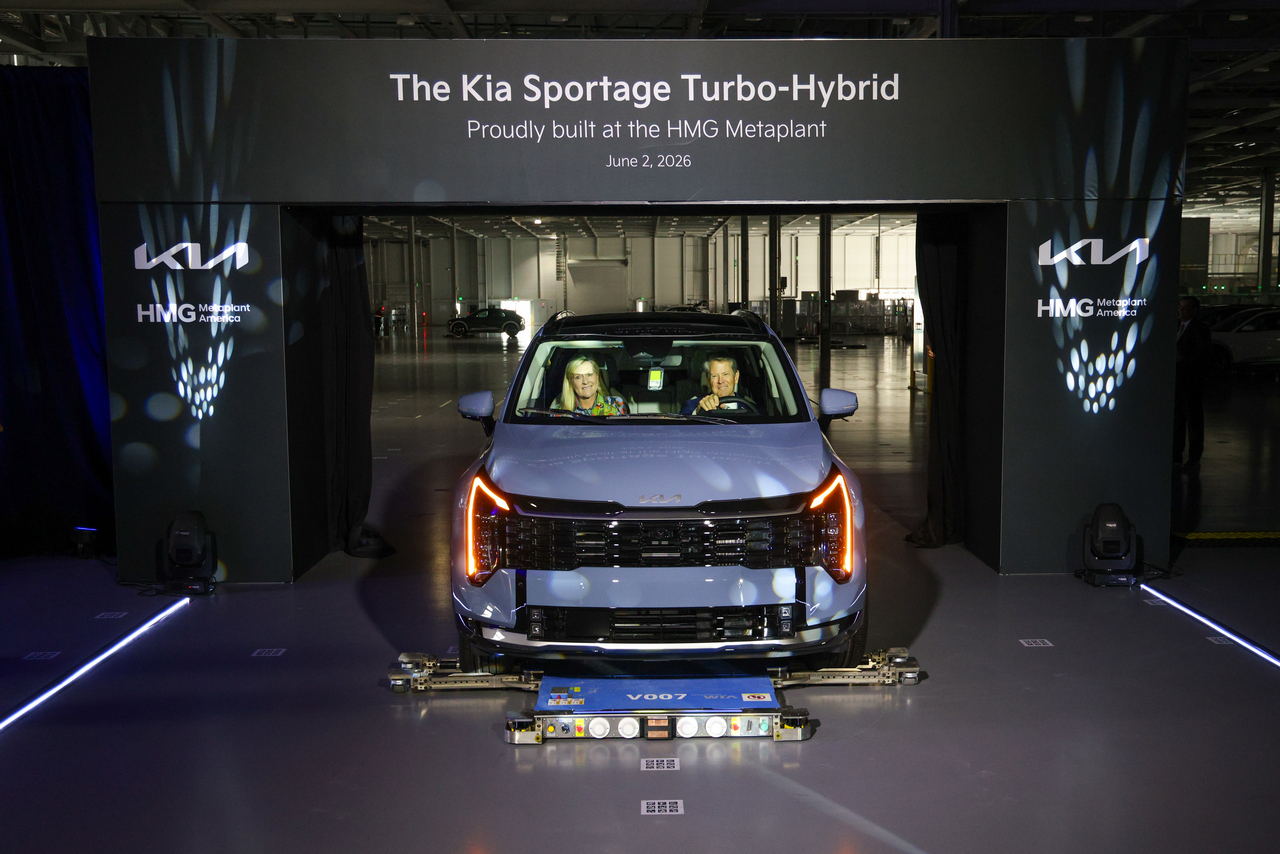
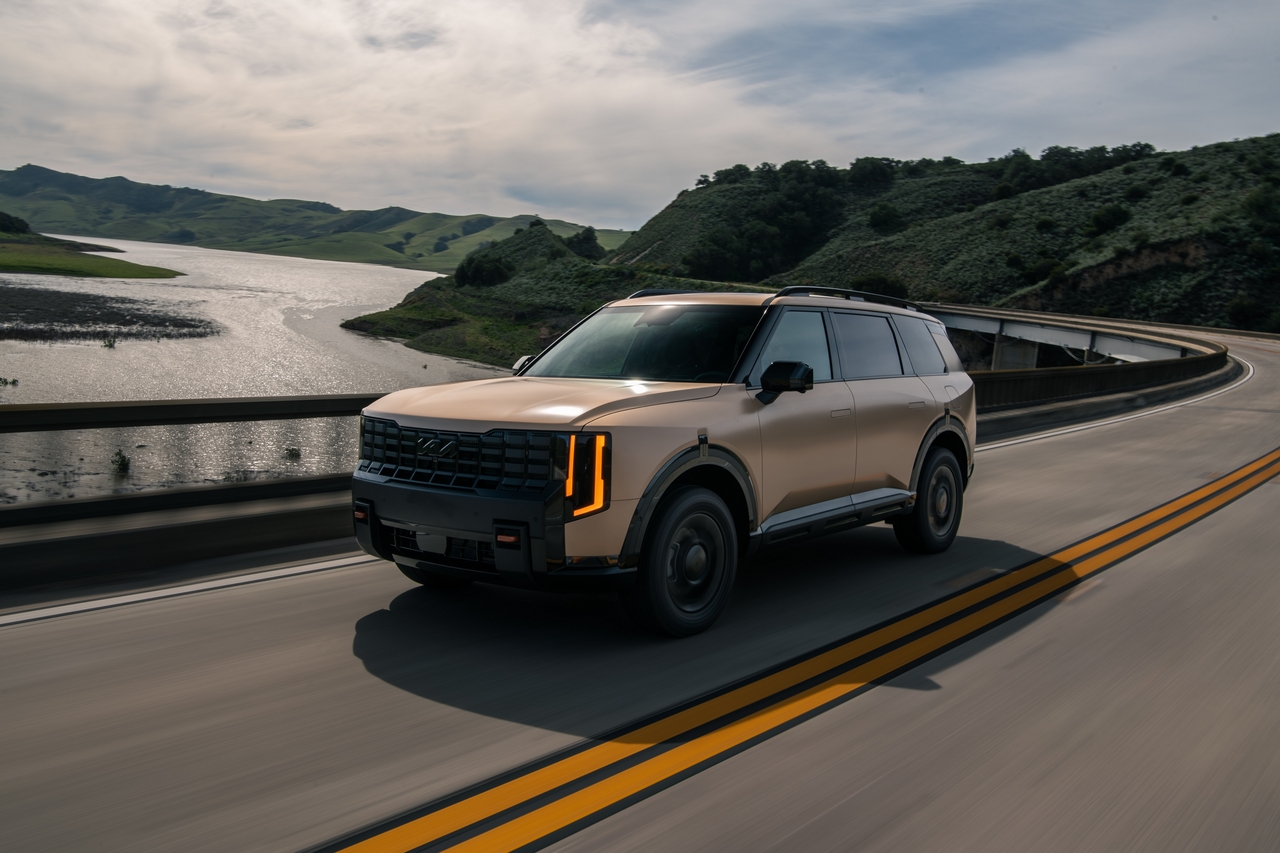
When EV growth slowed faster than expected, Hyundai Motor and Kia moved quickly to expand their hybrid lineups and production capacity. At the same time, they have ramped up US local production to cushion the tariff impact and steadily increased the sales share of high-margin models such as Genesis vehicles and large SUVs.
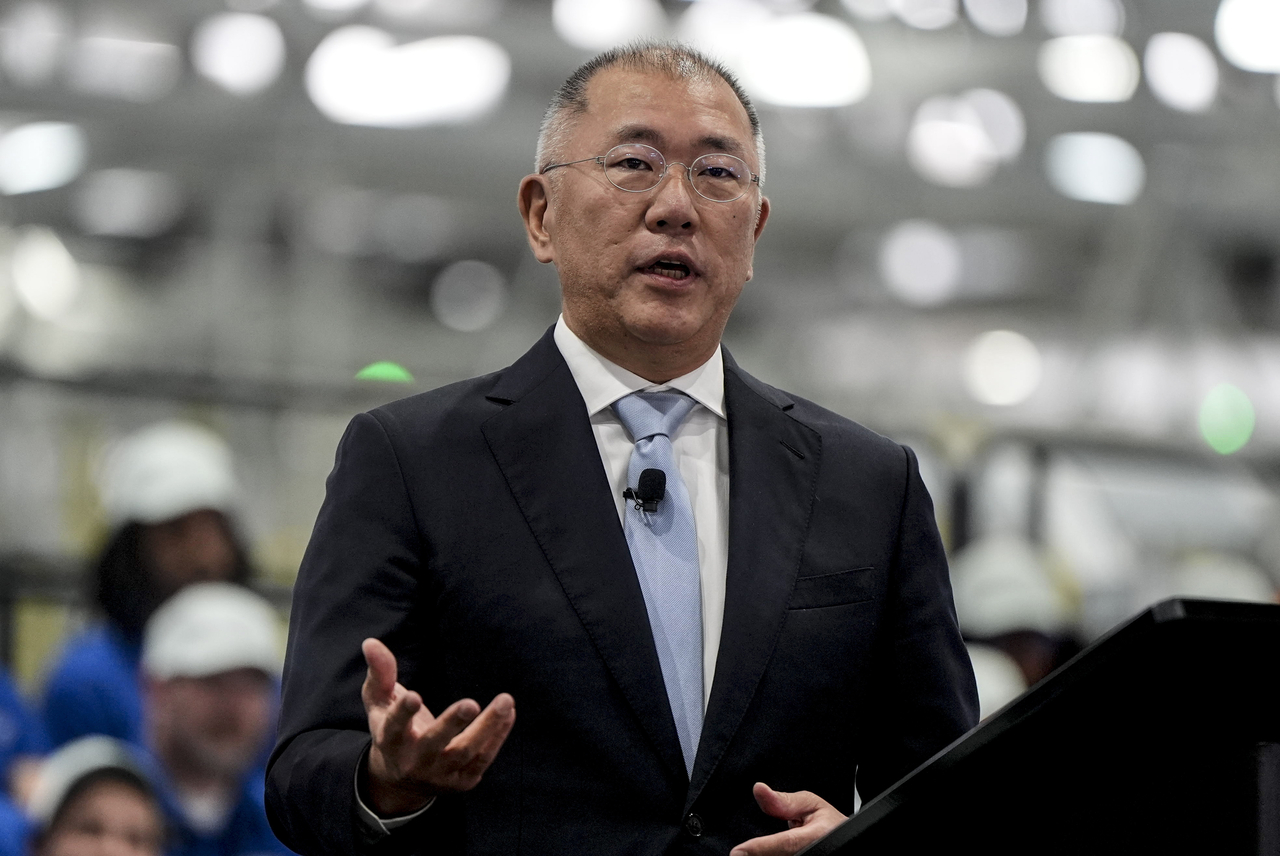
That approach aligns with the "flexibility" that Hyundai Motor Group Executive Chair Euisun Chung has emphasized over the past six years — running EVs, hybrids and internal combustion engine vehicles in parallel and adjusting production bases as market conditions evolve. It is a two-track strategy that keeps long-term investment in future mobility moving while responding swiftly to near-term market changes.
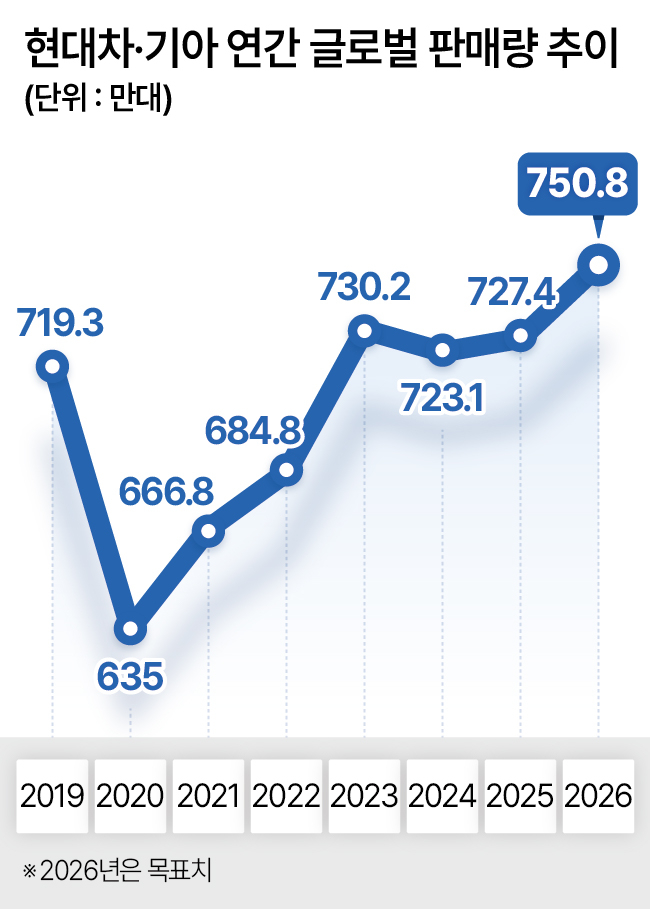
Hyundai Motor and Kia have set a combined global sales target of about 7.51 million vehicles this year, up 3.2 percent from last year. Actual sales are expected to fall slightly short of that goal, but many in the market view this year as the trough for volume.
Hyundai Motor Group is targeting a recovery in both sales and margins. Hyundai Motor has set a goal of achieving an operating margin above 9 percent by 2030, while Kia is aiming for 10 percent.
"Sales are expected to bottom out this year and rebound from next year," said Yoo Ji-woong, an analyst at Daol Investment & Securities, adding that Hyundai Motor and Kia's combined hybrid sales are forecast to grow from about 1.45 million vehicles this year to about 3.51 million by 2030. He projected total sales for the two automakers would reach about 8.526 million vehicles in 2030, roughly 17 percent above this year's forecast.
kwater@heraldcorp.com