Dancing Dragon festival in Yanggu-gun's Sangmuryong 2-ri: a sketch
Dam-driven isolation ends as suspension bridge brings freedom and connection
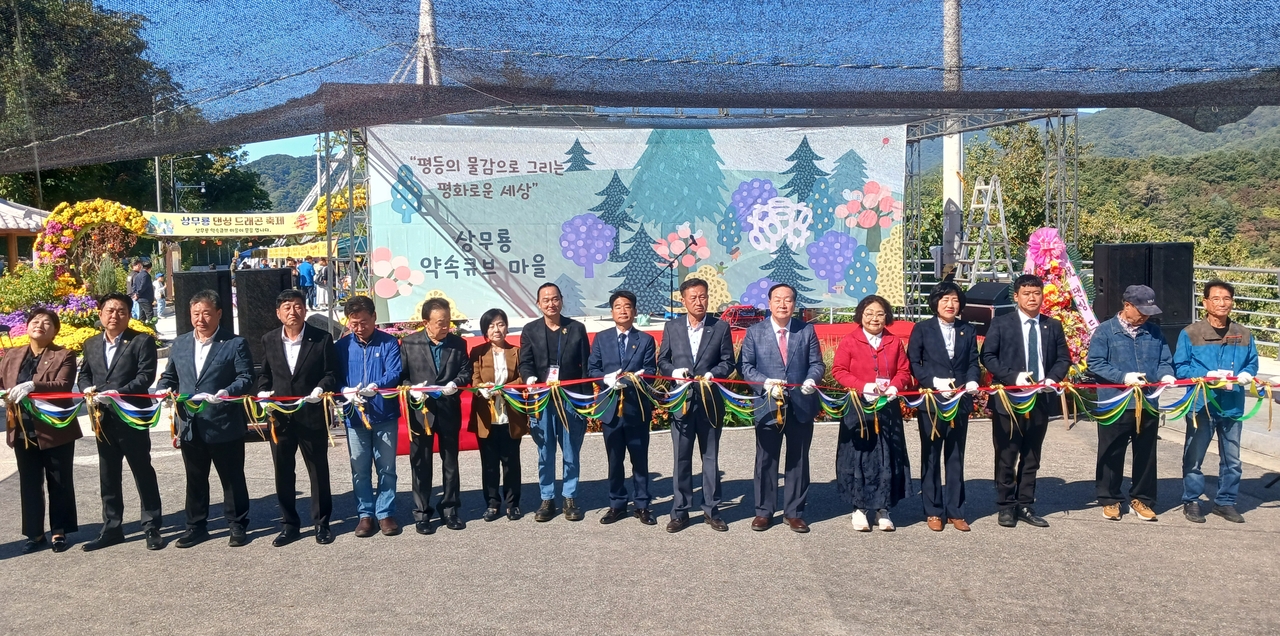
Residents of Sangmuryong 2-ri in Yanggu-gun, who spent more than 80 years cut off from the outside world, organized the Dancing Dragon festival — named after the village's Korean meaning of "dancing dragon" — holding a full day of events Saturday and continuing with more programming Sunday.
The people of Yanggu-gun, including soldiers stationed there, have long lived an altruistic existence on the front lines of national defense, holding back floodwaters that would otherwise threaten Greater Seoul and other areas while providing a sustainable supply of water and electricity.
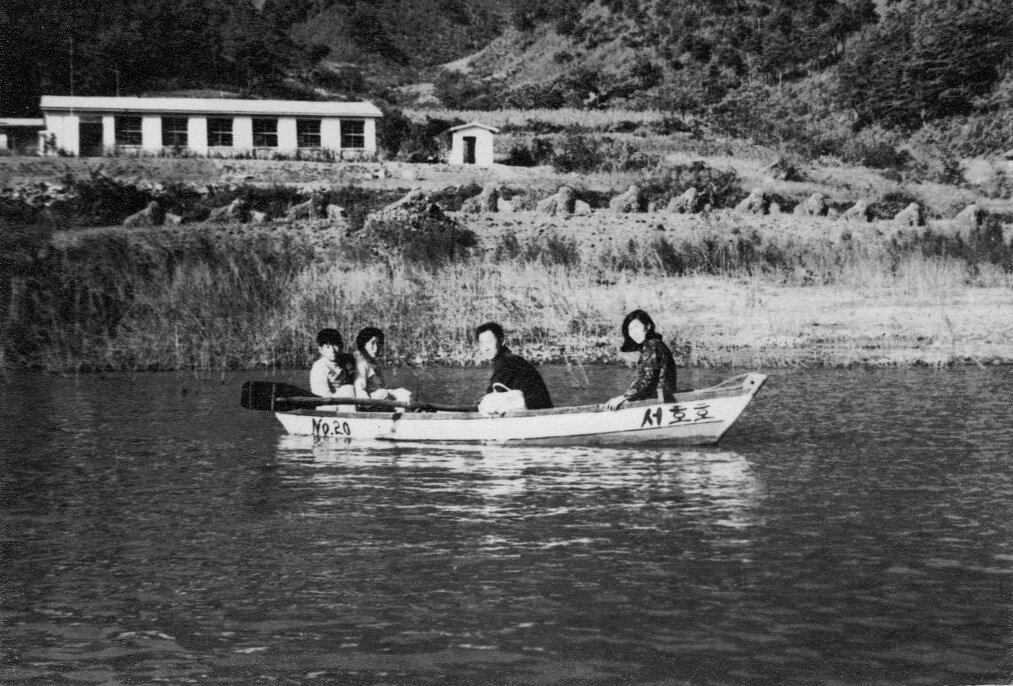
Sangmuryong 2-ri bore a particularly heavy burden: the construction of the Hwacheon Dam submerged a large portion of the village and severed its roads, forcing residents to buy small motorboats just to reach the outside world.
That isolation lasted more than 80 years. With so few visitors, the lake around Sangmuryong 2-ri became a fishing paradise known only to those in the know — waters teeming with fish.
Yanggu-gun recently commissioned the Gangwon Research Institute to calculate the cumulative losses the county has suffered from the Hwacheon and Soyang River dams, and made public a report finding the total exceeded 3.7 trillion won ($2.72 billion) over more than eight decades. Yet support project funding over that same period amounted to just 2.3 billion won.
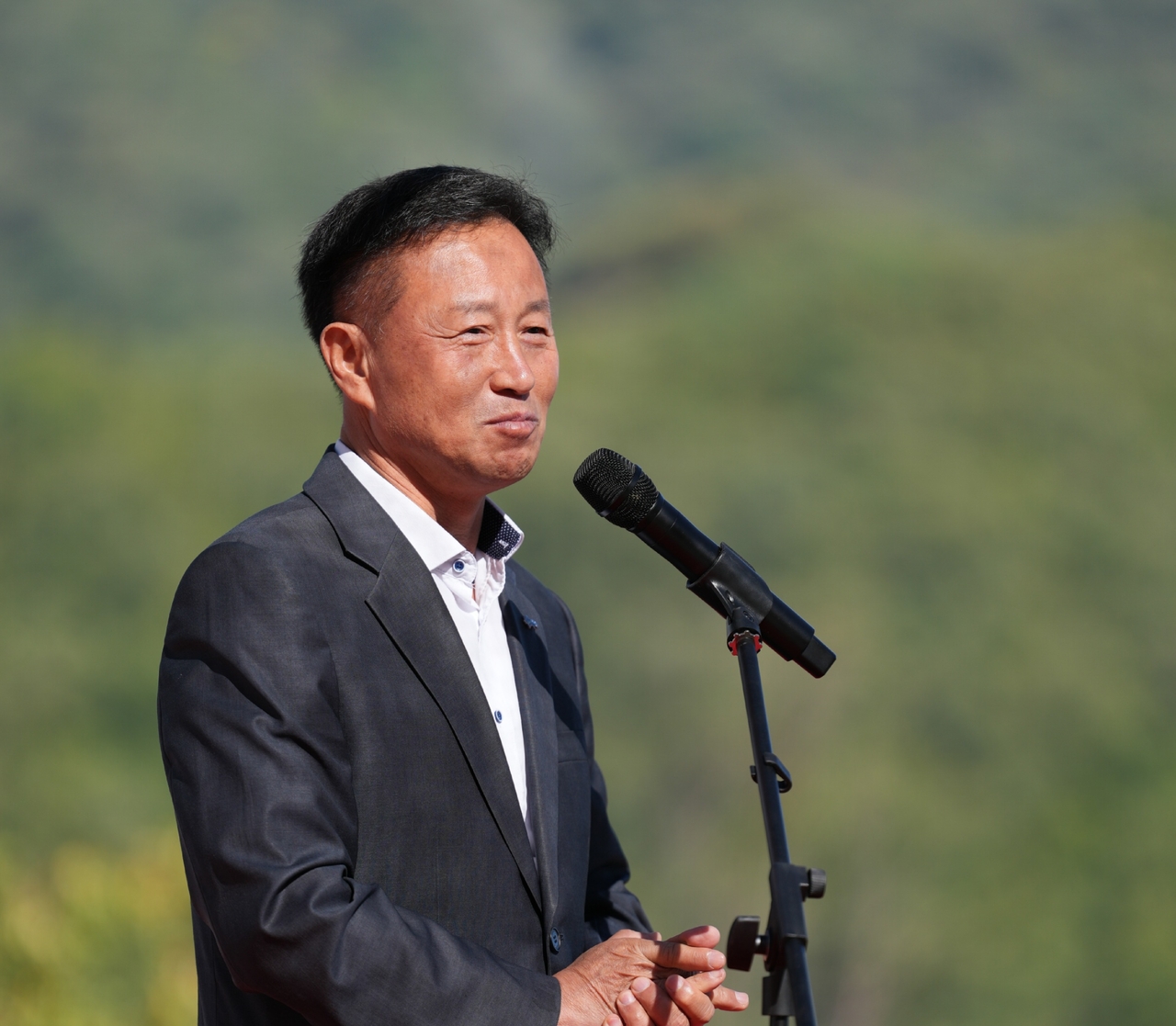
Yanggu-gun County Chief Kim Wang-gyu said at the time that "Yanggu has endured more than half a century of regulations and development restrictions since the construction of the Soyang River Dam, contributing to national development and the stable water supply of the metropolitan area." He added that he would "work to establish an institutional framework — based on the Gangwon Research Institute's findings — so that the sacrifices and contributions of our residents lead to fair compensation and the benefits of the dam flow back to the local community in a meaningful way."
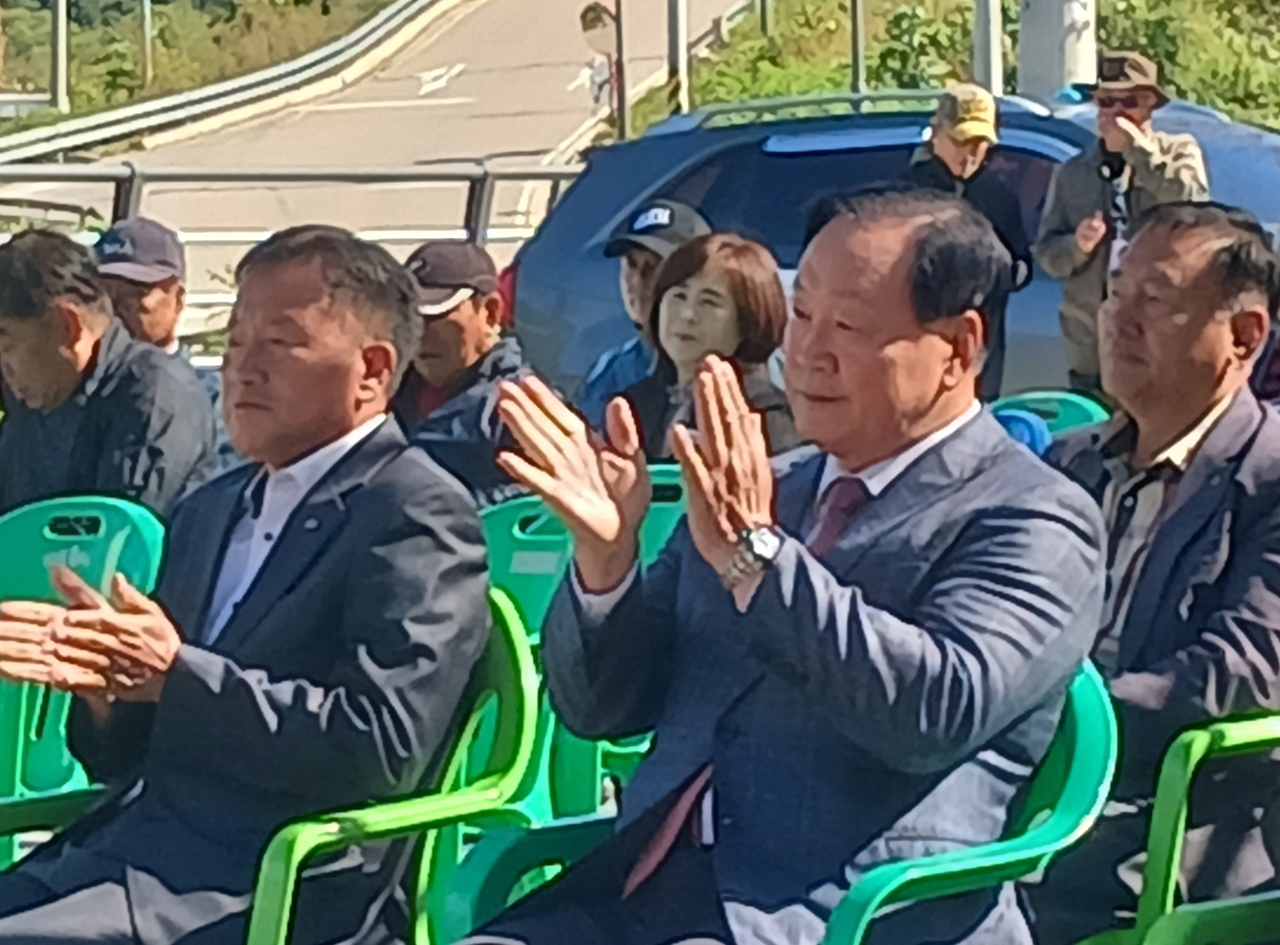
The festival's opening ceremony was held Saturday — National Foundation Day — with hundreds in attendance, including County Chief Kim, National Assembly member Han Ki-ho, local residents and tourists. The villagers did not organize the festival in hopes of compensation.
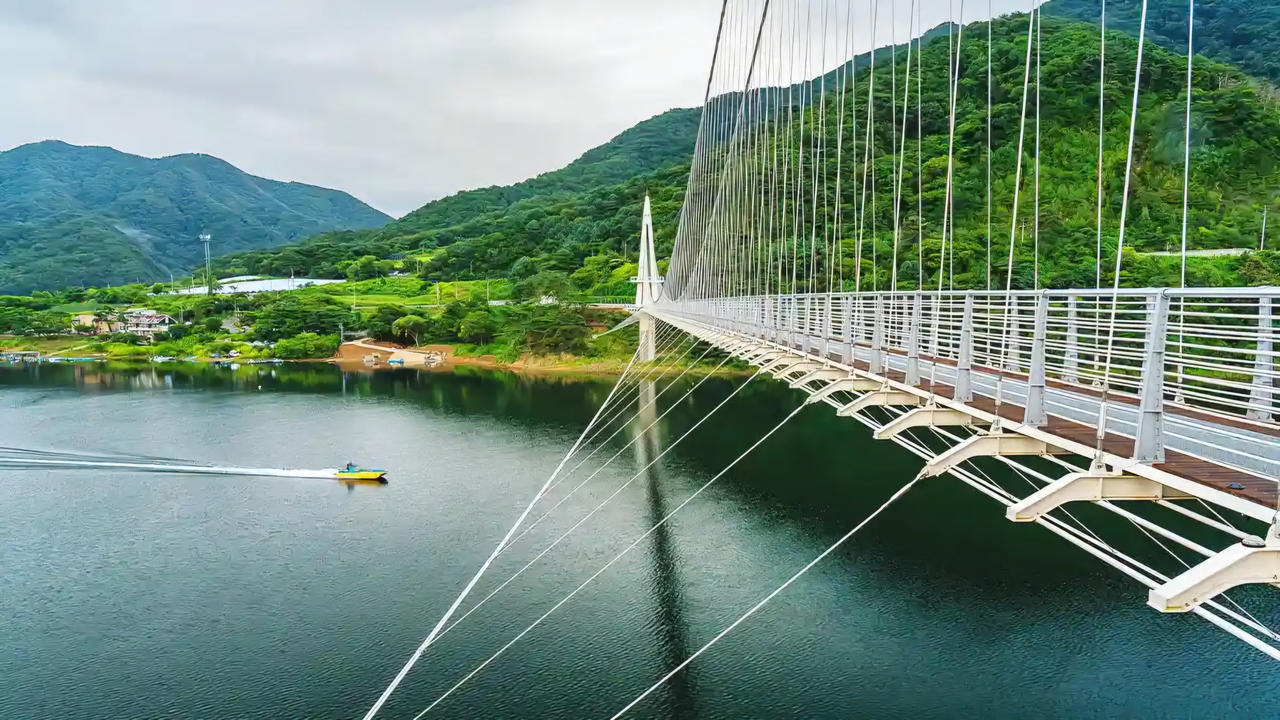
Having endured decades of hardship, residents found that a single bridge — built after 80 years of disconnection — had given them the ability to walk out into the world, and outsiders the ability to walk in. Moved by that experience, they set aside their long years of suffering and threw themselves into building the festival.
With the village now open to the outside, they wanted to welcome more tourists and show them everything their community had to offer, and so they prepared the festival's program with great care.
County Chief Kim encouraged Village Chief Moon Bun-ok and publicity team leader Park Hyeon-gu, who also leads the Seoho village side, expressing deep solidarity with the residents' spirit in organizing the festival through their own efforts.
Village Chief Moon explained that the festival's name was chosen "to reflect the hope that, just as the village's name evokes a dancing dragon, only exciting and wonderful things will fill our future." [To be continued]
abc@heraldcorp.com