
Six fields covering residential renewal, Dong Seoul Terminal modernization, welfare, jobs, culture and safety — 72 pledges finalized to realize 'Happy Gwangjin, a Great Place to Live'; district gathered residents' input through a future-vision committee and online surveys
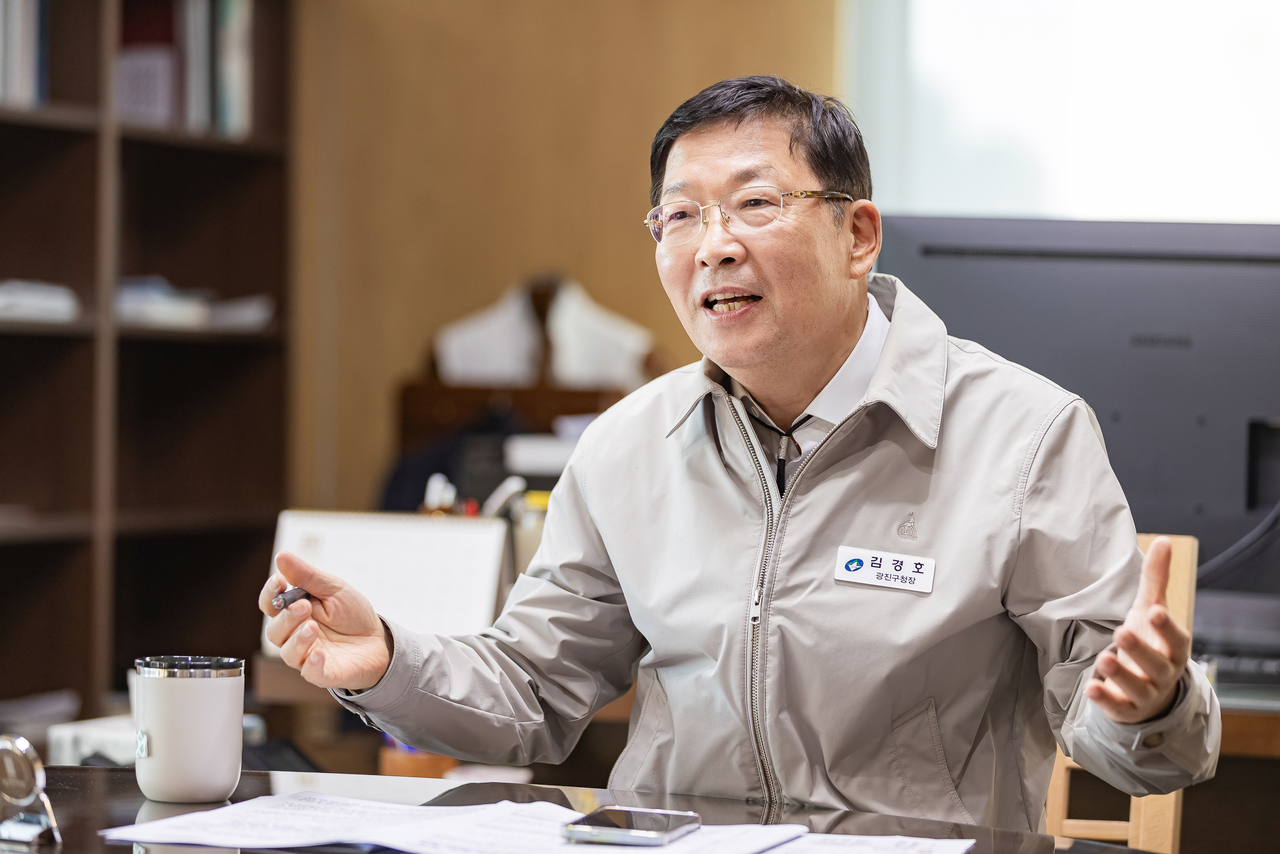
Gwangjin-gu has finalized 72 campaign pledges across six policy fields to realize its ninth-term district government vision of "Happy Gwangjin, a Great Place to Live."
The pledges span projects aimed at boosting urban competitiveness — including residential renewal and the modernization of Dong Seoul Terminal — as well as everyday quality-of-life policies covering welfare, jobs, culture, education and safety.
Under the "balanced development" field, the district will focus on strengthening Gwangjin's urban competitiveness and improving the residential environment.
Key projects include the swift advancement of residential renewal projects, accelerated modernization of Dong Seoul Terminal, the creation of a premium forest-adjacent neighborhood around Children's Grand Park, the expansion of commercial zones centered on transit-oriented areas to build a live-work-play city, and mixed-use redevelopment of the former district office site.
The "mutual welfare" field focuses on delivering tightly integrated care and health services tailored to each stage of life. Initiatives include expanding integrated medical and long-term care services, a child-safe care program to make Gwangjin a better place to raise children, construction of the Gwangjin Municipal Children's Hospital, expanded employment opportunities and guaranteed mobility rights for people with disabilities, and more frequent dining outings for senior centers alongside facility upgrades.
The "economic vitality" field aims to strengthen the job market, neighborhood commerce and a foundation for youth independence. Plans include attracting 15,000 quality jobs, revitalizing the local economy by nurturing traditional markets and alley commercial districts, expanding Gwangjin-style youth monthly rent and moving-cost support, broadening financial support for small business owners and small and medium-sized enterprises, and fostering youth AI talent while hosting an AI festival.
The "culture and education" field will invigorate everyday cultural and sports activities and expand the educational environment for the next generation. Projects include building an eco-friendly sports park and multipurpose sports facility on the sports site in Gwangjang-dong, expanding community sports support, promoting family-friendly cultural and sports events, nurturing future AI talent in connection with the Gwangjin Future Technology Experience Center, and increasing education expense support for kindergartens and elementary, middle and high schools.
The "safety and environment" field targets everyday safety, traffic convenience and a pleasant urban environment. Plans include expanding closed-circuit television cameras and security lighting while strengthening an AI-based smart safety network, adding public parking lots and spaces to ease parking shortages, pursuing intensive household waste reduction measures, clearing street vendors around Konkuk University Station and establishing a comprehensive management system, and improving traffic flow by building new on- and off-ramps connecting Jayang interchange to the Gangbyeon Expressway.
Finally, the "open communication" field will channel residents' voices into district policy more quickly. Initiatives include field-centered, resident-focused communication — such as meetings with the district mayor — diversifying and upgrading the resident policy-participation platform, operating a jeonse and monthly-rent safe-contract assistance service, and pursuing property tax reductions to ease the child-rearing burden on multi-child households.
The district incorporated residents' suggestions — raised at subcommittee and plenary sessions of the Gwangjin Future Vision Promotion Committee — into the pledges after review by the relevant departments. It then held two review briefings and an online survey, and assigned each project a management number based on residents' preferences.
The district plans to finalize and refine its pledge implementation plan, publish it on the district office website in January 2027, and systematically manage progress through regular performance reviews.
"The ninth-term campaign pledges are centered on changing Gwangjin's future and residents' daily lives," Gwangjin-gu District Mayor Kim Kyung-ho said. "We will push ahead swiftly with residential renewal and the modernization of Dong Seoul Terminal, and will also attend carefully to everyday quality-of-life pledges so that residents can feel the difference."
seouldream01@heraldcorp.com





