
The initiative systematizes the process from idea collection to policy development, with a focus on gathering fresh, field-based input from the public.
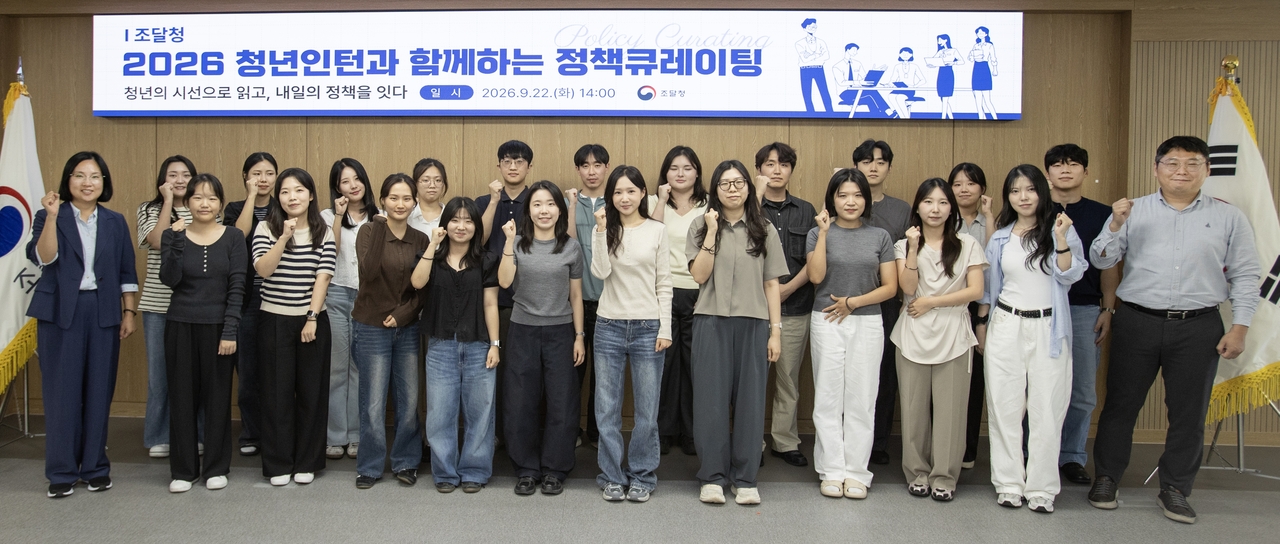
The Public Procurement Service is stepping up efforts to uncover fresh, field-based ideas, including by holding its first policy curating session with youth interns.
The agency announced Tuesday that it is formally introducing a "policy curator" system designed to gather diverse public ideas and channel them into procurement policy.
Policy curators will collect and screen opinions raised through various online and offline channels, develop them into policy agenda items, and serve as a bridge between the public and the relevant policy departments.
In the past, even valuable proposals sometimes failed to reach the policy review stage because they did not meet certain formal requirements or were not examined in a systematic way.
In response, the agency decided to move beyond simply receiving and processing public suggestions, putting in place a framework to actively monitor and identify ideas with policy value and develop them into concrete policies.
The policy curating process operates across five stages: monitoring and collecting public proposals, identifying policy agenda items, linking proposals to the relevant implementing departments, managing review outcomes, and disclosing results and incorporating feedback.
The agency will draw on not only its existing online channels — Sotong Hyeoksin 24, the National Sinmungo public petition platform and the commissioner's dialogue forum — but also direct communication with procurement companies and youth interns, as well as an internal staff suggestion board, as additional avenues for gathering policy ideas.
Ahead of the full rollout of the policy curator system, the agency held a policy curating session on Sept. 22 in which participants examined procurement policy through the eyes of young people.
That day, youth interns put forward ideas on public communication and organizational operations — including using youth intern video blogs to promote procurement policy and improving inconveniences with building access passes. Particularly notable were suggestions for improving the Narajangteo e-procurement system, drawn from the interns' firsthand experience with actual procurement work; those ideas are to be reviewed in coordination with the relevant departments.
Lee Hyeong-sik, the agency's planning and coordination officer, said the policy curator role goes beyond waiting for public input and responding to it. "It is about finding the seeds of policy within people's ideas and turning them into actual policies and institutional improvements," he said. "Starting with this policy curating session with youth interns, we will listen to the voices from various fields — procurement companies, the public and our own staff — and build a public-participatory procurement policy ecosystem."
kwonhl@heraldcorp.com





