
Household loans fall 2.2 trillion won in Sept., first net decline this year
Mortgage growth narrows from 4.3 trillion to 3.3 trillion won
Credit loans drop 3 trillion won; other loans also plunge
Authorities see limited risk of year-end lending cliff
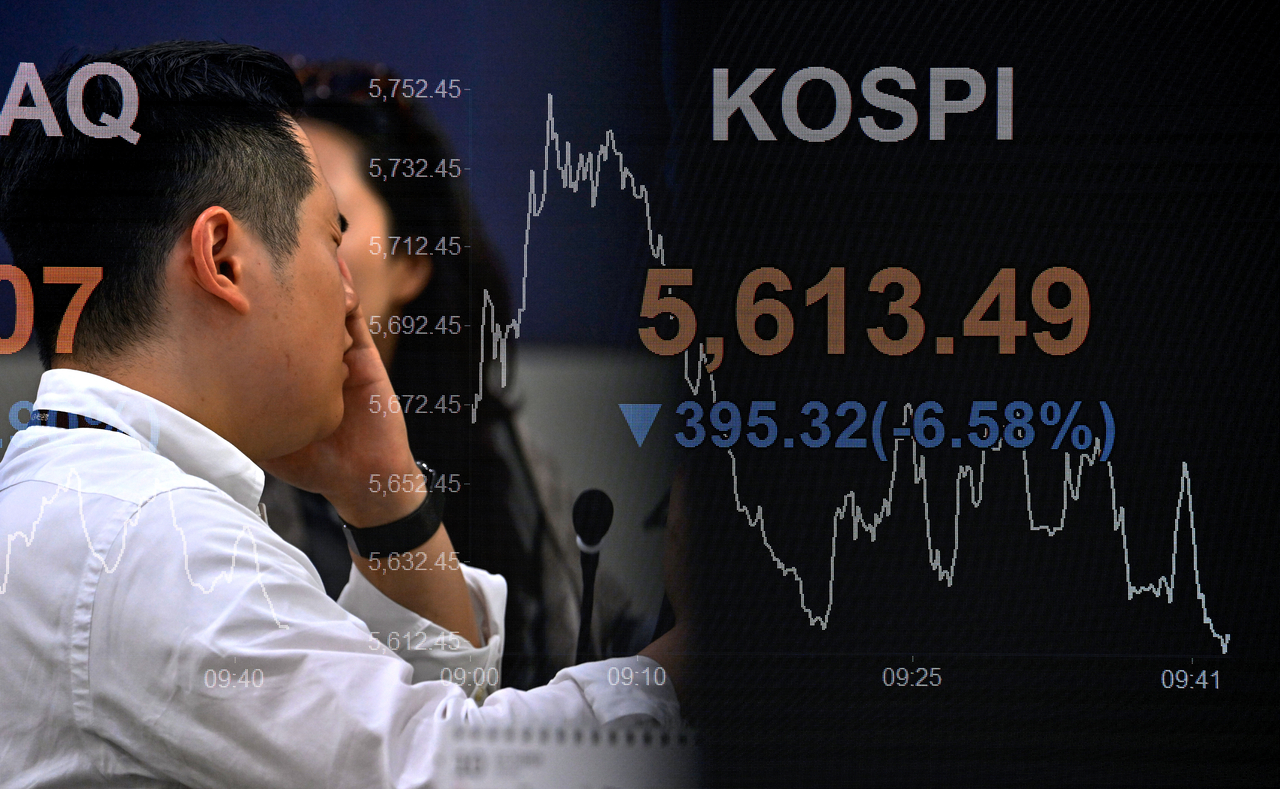
Household loans across all financial sectors fell 2.2 trillion won ($1.64 billion) last month, marking the first net decline of the year. The drop came as growth in mortgage lending slowed and other loans — particularly credit loans — contracted sharply.
Financial authorities said Thursday that total household loans fell 2.2 trillion won from the previous month in September. It was the first net decline in nine months, following a 1.2 trillion won drop in December last year. Household loans had surged 9.3 trillion won in May, 8.3 trillion won in June and 6.4 trillion won in July before growth slowed to 2.8 trillion won in August and turned negative last month.
Mortgage loans rose 3.3 trillion won, but the increase was 1 trillion won smaller than the 4.3 trillion won gain recorded in August. Other loans fell 5.5 trillion won, a far steeper decline than the 1.5 trillion won drop the previous month. Credit loan reductions in particular surged from 400 billion won to 3 trillion won.
By sector, bank household loans grew by just 600 billion won, a sharp slowdown from the 3.5 trillion won increase in August. Banks' own mortgage loan growth shrank from 2.9 trillion won to 1.8 trillion won, while other loans fell 2.3 trillion won. In the non-bank sector, household loans declined 2.8 trillion won. Mutual savings, insurance and credit finance companies all posted wider declines, and savings banks swung from a 300 billion won increase to a 400 billion won decrease.
Authorities attributed the decline to a combination of factors: a drop in housing transactions and move-in volumes, end-of-quarter write-offs of non-performing loans, and seasonal effects such as holiday bonuses. Nationwide home sales fell from 63,000 units in July to 48,000 in August, while apartment transactions in the Greater Seoul area dropped from 26,000 to 19,000 over the same period.
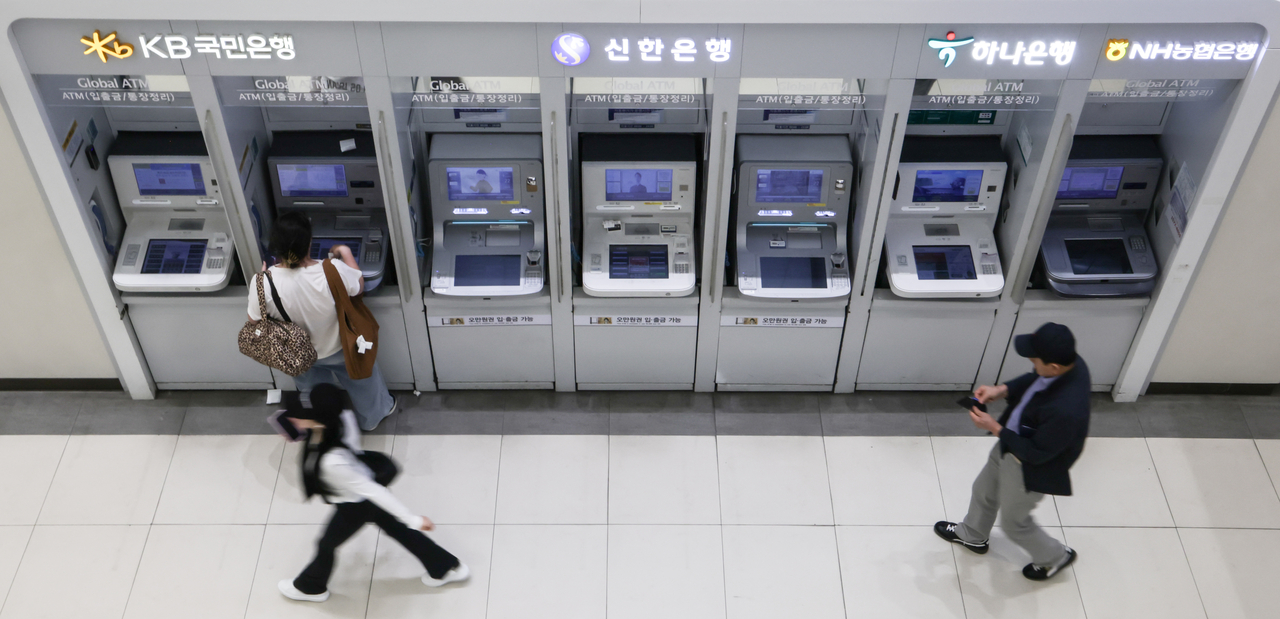
Authorities said they do not expect a so-called "lending cliff" — a rapid exhaustion of year-end loan quotas — to materialize. The Financial Services Commission recently raised its annual household loan growth target from 1.5 percent to 3.0 percent, and group loans for relocation costs, interim payments and balance payments on new residential complexes are now managed separately from each lender's overall quota.
Shin Jin-chang, secretary general of the FSC, said at a household debt review meeting Thursday that "the risk of a year-end lending cliff is expected to be limited, given that we have raised the household loan management target and are tracking group loans separately from each financial institution's quota." He also urged lenders to remain vigilant for the rest of the year, citing lingering second-half risks including expectations of rising home prices and the potential for greater volatility in credit loans.
Follow-up measures from the Aug. 13 real estate and finance package will also take effect. Starting Monday, the "marriage penalty" in the Bogeumjari mortgage loan program will be eased so that couples in which one spouse earns 70 million won or less annually will meet the income requirement. The eligibility age for the youth special jeonse loan guarantee will be raised from 34 to 39, and the guarantee ceiling for newlywed and child-rearing households will increase from 200 million won to 300 million won.
Authorities also said they would review how group loans are being extended at newly completed residential complexes. Although the Aug. 13 measures fully excluded group loans — covering relocation, interim and balance payments — from each lender's quota management targets, officials said they want to ensure that buyers are not encountering difficulties securing financing in practice.
Shin said financial institutions should "thoroughly verify and confirm that actual homebuyers can obtain loans without disruption, in line with the financing plans they anticipated at the time of pre-sale," adding that authorities would work with the financial sector to address any funding difficulties that arise at individual project sites.
Meanwhile, a decline in total household loan volume does not necessarily mean borrowers are carrying a lighter burden. As of end-August, 57.3 percent of outstanding bank household loans carried variable interest rates, up 4.3 percentage points from a year earlier. The Bank of Korea estimates that a 0.25 percentage point rise in the benchmark interest rate would add about 3.3 trillion won to households' annual interest payments.

rim@heraldcorp.com





