Fine set at 361.9 billion won, well below initial estimates
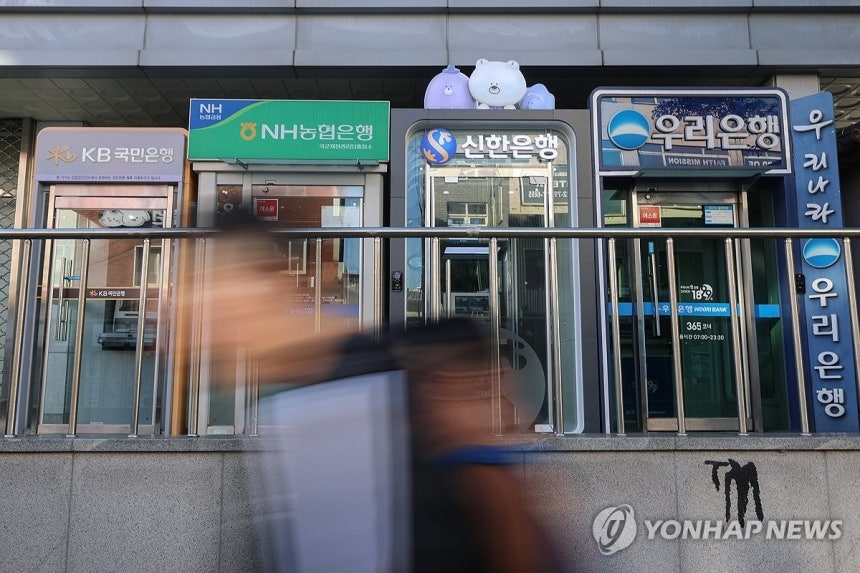
Expectations are growing for an improvement in banks' fourth-quarter earnings after fines related to the mis-selling of Hong Kong H-index equity-linked securities came in significantly lower than anticipated. The smaller-than-expected penalties could allow banks to reverse roughly 300 billion won ($224 million) in provisions they had set aside in advance.
The Financial Services Commission on Wednesday gave final approval to impose a combined fine of 361.96 billion won on seven banks — KB Kookmin Bank, Shinhan Bank, Hana Bank, Nonghyup Bank, SC First Bank, Woori Bank and Suhyup Bank — over the mis-selling of Hong Kong H-index ELS products. The penalty came in far below the trillion-won range that had initially been discussed, leaving the banks with room to unwind provisions they had built up ahead of the ruling.
The banking industry estimates that additional provision reversals could total around 300 billion won. KB Kookmin Bank is expected to account for the largest share at roughly 189 billion won, followed by Hana Bank at 33.9 billion won, Shinhan Bank at 30.3 billion won, Nonghyup Bank at around 30 billion won and SC First Bank at around 22 billion won. Shinhan Bank, Nonghyup Bank and SC First Bank had already reversed a portion of their provisions earlier as the expected fine was revised downward.
If the additional reversals are reflected in the fourth quarter, they are expected to have a positive effect on full-year earnings. One-off costs such as early-retirement expenses and additional loan-loss provisions tend to be concentrated in the fourth quarter, so the ELS-related reversals could offset some of that burden. KB Kookmin Bank, which stands to record the largest reversal, is expected to see a relatively greater impact on its fourth-quarter earnings.
"The provision reversals themselves could move earnings, and if operational risk reflected in risk-weighted assets declines, there could also be a modest positive effect on the common equity tier 1 ratio," a banking industry official said.
However, the actual size and timing of the reversals may vary by institution. Banks must reassess their provisions based on the FSC's final ruling and also weigh whether to pursue administrative litigation or other legal challenges. They are expected to determine the final timing of any adjustments after reviewing the basis for the fine calculation and the relevant accounting treatment.
rim@heraldcorp.com