FSC, FSS unveil financial administration overhaul
Interim inspection disclosures banned in principle; warrant-free account access to require higher sign-off
Banks' demands reflected as ad hoc inspection notice extended to 7 business days
Criminal penalties under review for serious obstruction of inspections
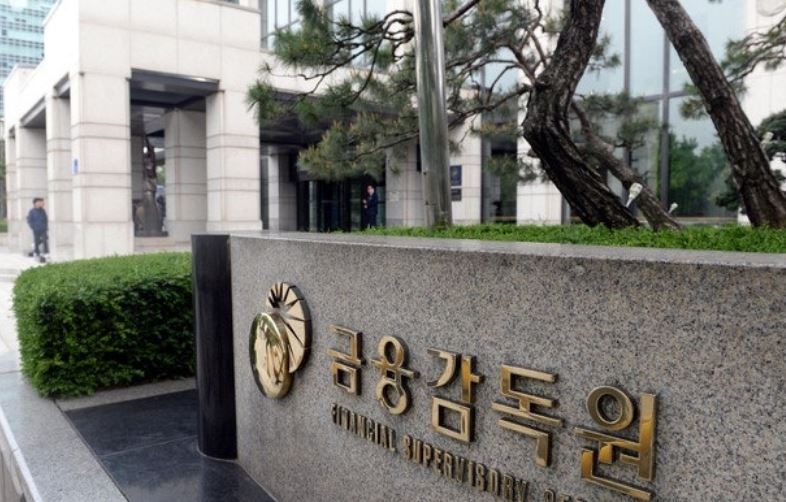
South Korea's financial regulators will shift supervisory practices away from after-the-fact detection and sanctions toward proactive prevention, banning in principle the so-called dragnet-style routine inspections that sweep across all areas of a financial firm's operations and expanding penalty reductions for voluntary self-correction. They will also tighten internal controls over the exercise of supervisory powers, including a general prohibition on releasing interim inspection results.
The Financial Services Commission and the Financial Supervisory Service announced the measures Friday at Government Complex Seoul as part of a broader financial administration overhaul plan. The FSS had faced the prospect of being designated a public institution during last year's government reorganization to strengthen democratic oversight, but in January the Public Institution Management Committee deferred the designation on the condition that the FSS undertake a comprehensive reform of its supervisory operations and strengthen consumer protection.
Under the plan, the scope of routine inspections will be limited to management soundness assessments and core or vulnerable areas. Regulators said the change reflects a judgment that dragnet-style inspection practices had persisted even after comprehensive inspections were abolished in 2022 and the system was restructured into routine and ad hoc inspections. Inspection scope will be defined specifically and communicated in advance, and large financial firms will also be informed of their inspection cycles ahead of time.
The predictability of ad hoc inspections will also be improved. The financial industry has long called for reform, arguing that the existing notice period left firms too little time to gather and verify materials. Regulators said they will extend the advance notice period for ad hoc inspections from seven calendar days to seven business days. The grounds for launching an inspection without prior notice will also be narrowed to specific circumstances such as the occurrence of a financial incident or a deterioration in financial soundness.
Procedures for extending inspection periods will be tightened, and the period subject to inspection will in principle be capped at five years. Jeon Yo-seop, director general of the FSC's financial policy bureau, said at a background briefing Thursday that the rationale for limiting the inspection period was that "financial firms cannot operate while constantly worrying about matters from the excessively distant past." He added that exceptions for serious cases would also be considered.
The sanctions regime will also be revised to encourage financial firms to make improvements on their own. Regulators are considering raising the ceiling on fine reductions for firms that make sufficient voluntary self-correction efforts from the current 50 percent to between 75 and 100 percent. Legal grounds will also be established to shield FSS inspectors who focus on prevention and improvement from liability for subsequent financial incidents, provided they followed reasonable procedures and judgment standards.
However, the authorities will take a harder line against obstruction of inspections. They plan to clarify the legal basis for the FSS's authority to demand sealing of materials to prevent deletion or falsification, and are considering introducing criminal penalties for serious acts of obstruction. Financial firms that fail to implement corrective measures imposed in lieu of sanctions, or that repeat the same violations, will face aggravated penalties.
Controls over the exercise of supervisory powers will also be put in place. The disclosure of interim inspection results — which has repeatedly drawn controversy over violations of political neutrality and confidentiality obligations — will be banned in principle, with exceptions limited to consumer protection needs and the correction of misinformation.
The level of approval required to access financial transaction information without a warrant will be raised from department head to deputy governor level. The number of requests the FSS made for financial transaction data for inspection purposes surged from 6,417 in 2020 to 15,140 last year, roughly 2.4 times the earlier figure over five years.
The plan also addresses the problem of large discrepancies in sanction levels between the FSC and the FSS, as seen in the case of fines related to Hong Kong H-index equity-linked securities. For cases involving sharp legal disputes — such as the imposition of large-scale fines or the first-time application of a statute — the FSS will be required by written procedure to consult with the FSC before issuing advance notice of a sanctions review.
On concerns that the strengthened prior consultation requirement could undermine the FSS's independence in conducting inspections, Jeon said that "the inspection itself is the FSS's exclusive authority" and that "the issues arise in the process of determining sanction levels after the inspection results are in, so they have nothing to do with inspection independence."
FSC Chairman Lee Eok-won also stressed Friday that the overhaul plan "does not weaken the rigor of financial supervision," adding that the authorities would continue to respond strictly to serious violations of the law.
Within the financial industry, voices have emerged calling for the overhaul to serve as a genuine turning point in changing actual inspection practices on the ground.
"I believe the original role of financial supervision is to identify and address problems in advance, rather than detecting violations after an incident has occurred," a financial industry official said. "I hope this overhaul plan leads to more reasonable and predictable inspections and also activates proactive, preventive supervision."
Meanwhile, the financial authorities plan to begin follow-up procedures in the first quarter of next year and push to revise key regulations related to inspections and sanctions by the second quarter of next year. An amendment to the Financial Services Commission Act to establish legal grounds for inspector immunity will also be prepared during the same period.
rim@heraldcorp.com