
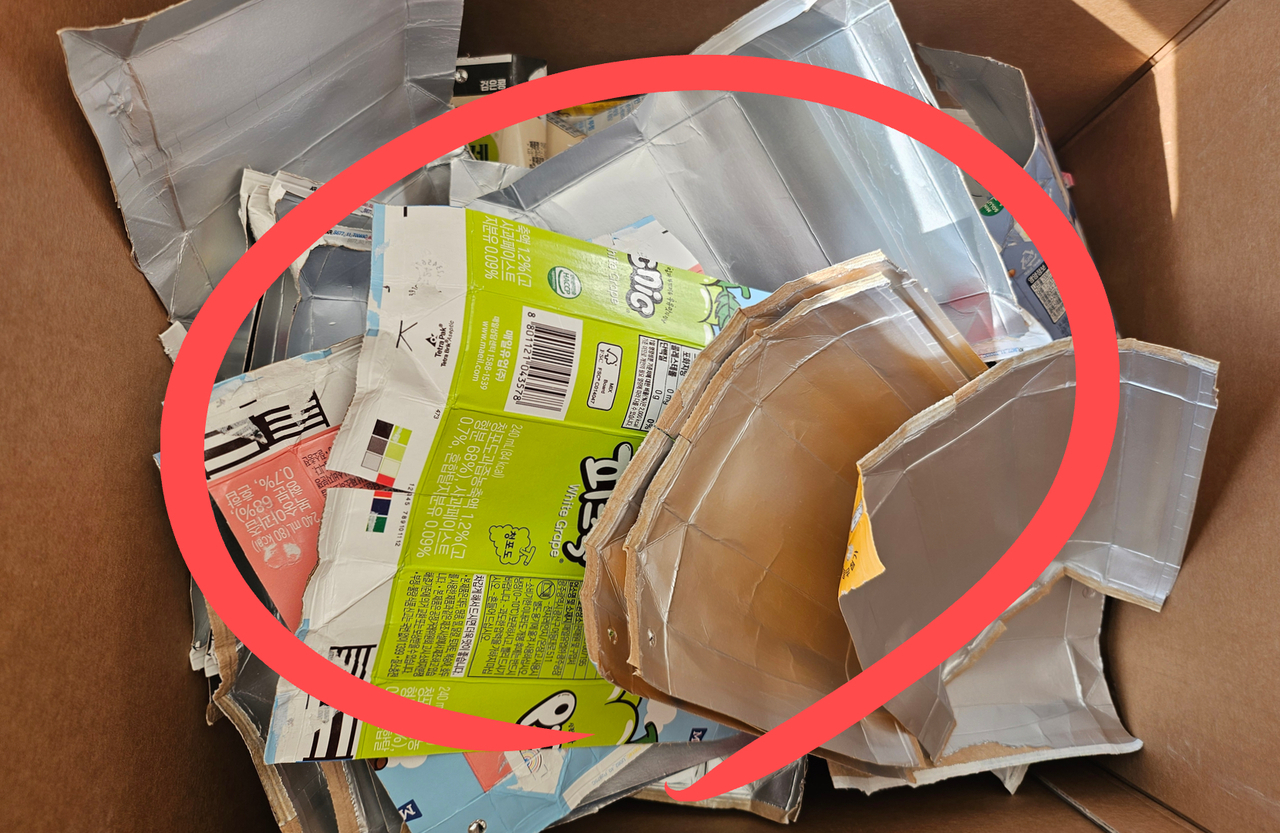
"I washed and dried every single one before putting them out ... "
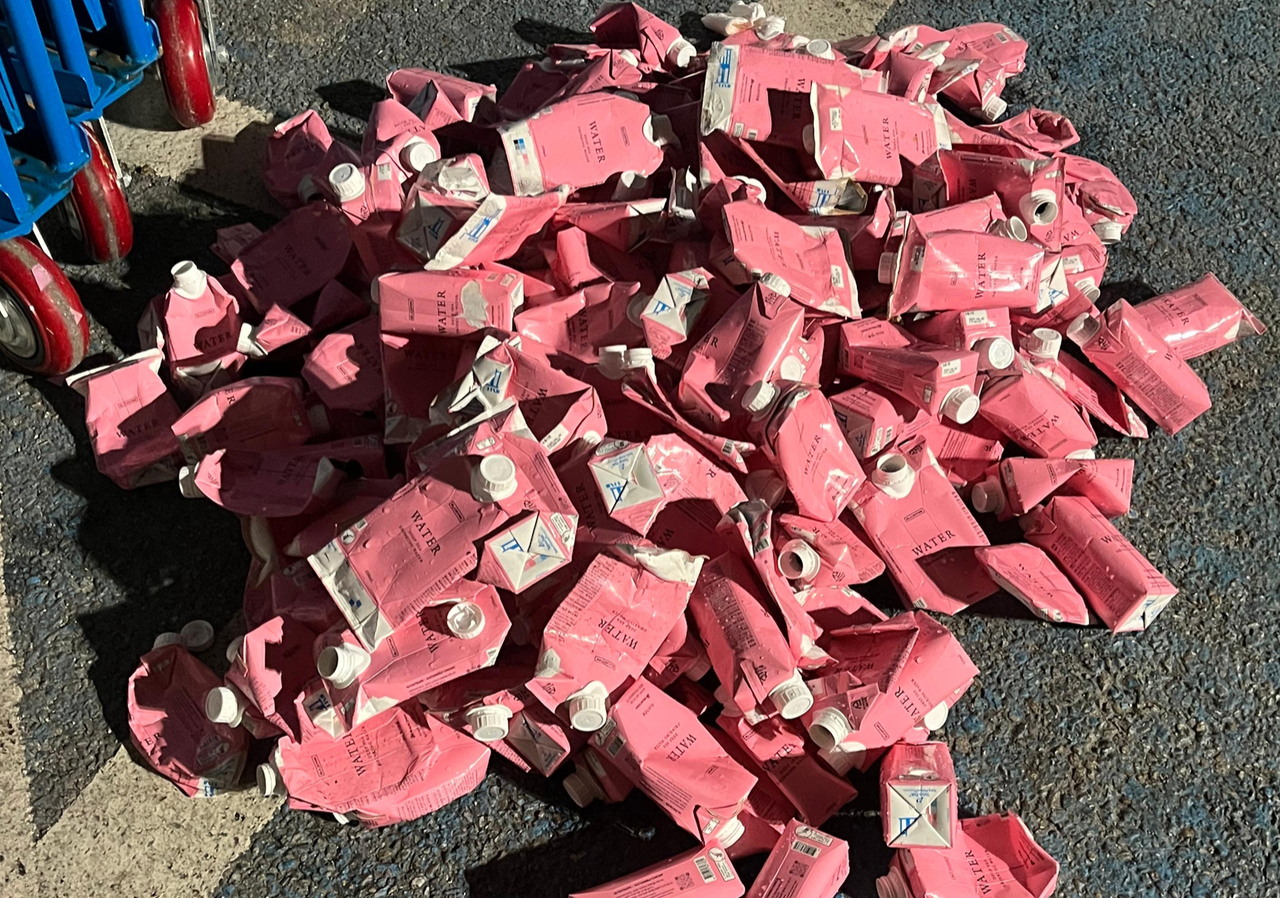
Empty milk and soy milk cartons left over after the last drop is gone. The accepted practice is to rinse them clean, dry the inside thoroughly, and then place them in the designated recycling bin.
It is no small bother. Yet many people willingly go through the trouble, motivated by a desire to protect the environment and follow proper waste-sorting rules.
In many cases, however, all that effort turns out to be wasted. Cartons are frequently tossed in with ordinary paper waste — cardboard delivery boxes and the like — or dropped into general recycling bags, where they cannot be properly processed.
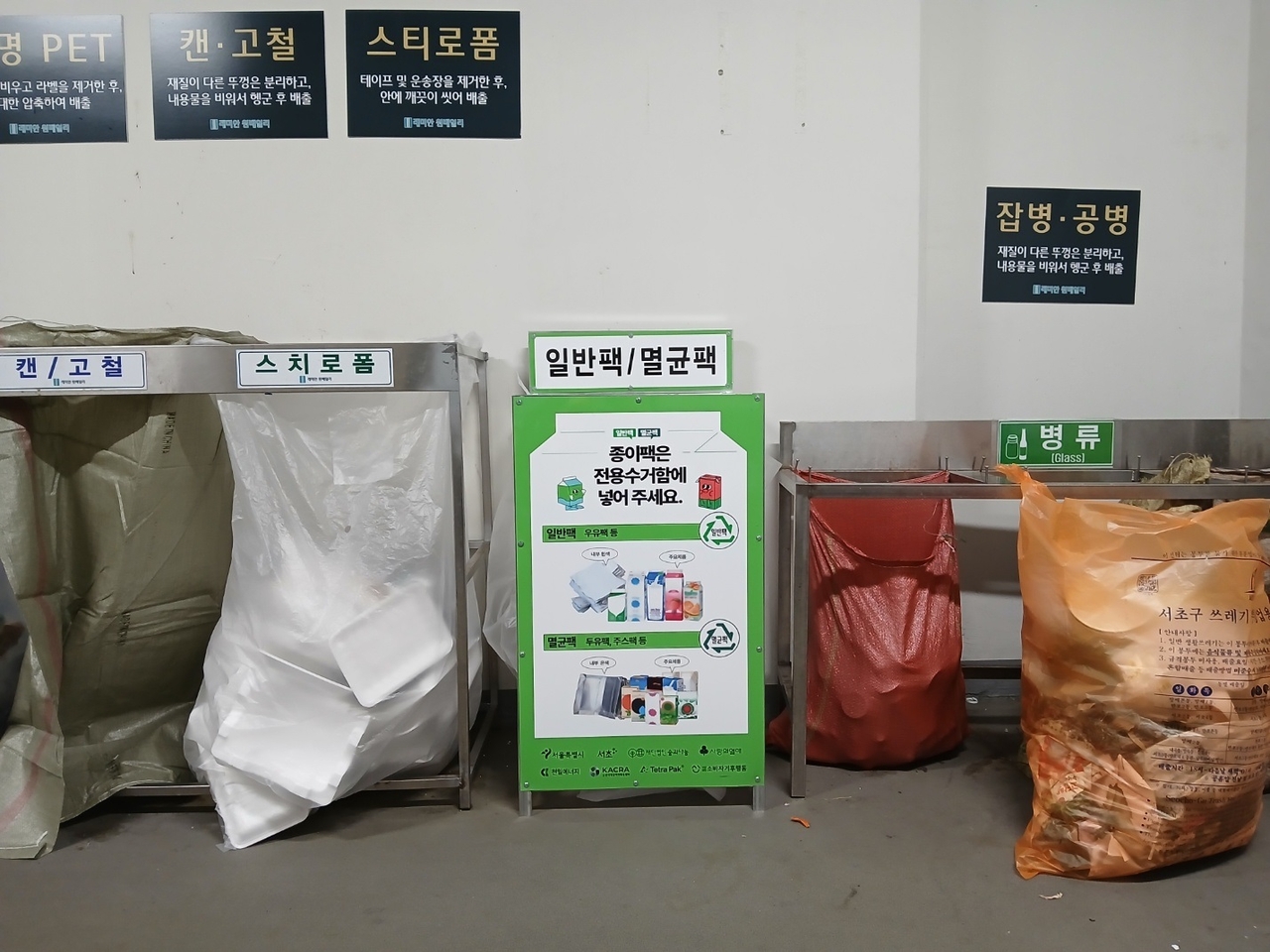
Strictly speaking, paper cartons are not ordinary "paper." A separate plastic coating lines the inside, which means they require a dedicated sorting process. Yet the infrastructure to handle them that way is rarely in place.
As a result, the recycling rate for paper cartons has stalled in the low teens — a strikingly poor return for the effort citizens put in.
The criticism has grown loud enough to prompt government action. Starting this month, authorities began rolling out a separate collection system for paper cartons, focusing initially on large apartment complexes across the country. Whether the move will translate into a meaningful improvement in recycling rates, however, remains to be seen.
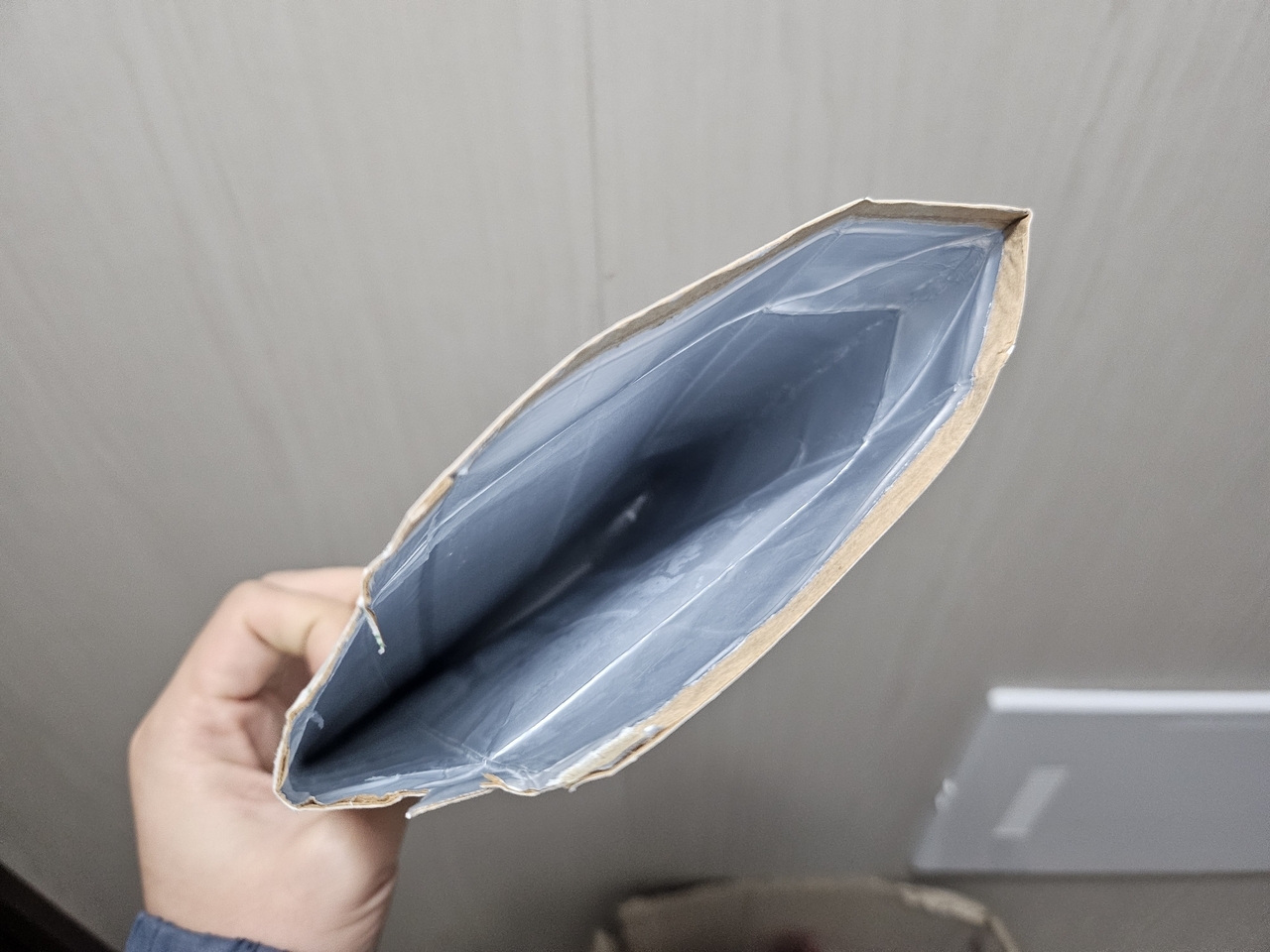
Paper cartons are fundamentally different from the cardboard boxes and newspapers most people picture when they think of paper recycling. The inside is coated with polyethylene or other plastic materials to prevent leaks.
That means recycling them requires a different process from ordinary waste paper. Cartons must be collected separately and run through a dedicated treatment line before the paper fiber inside can be properly recovered.
That does not make cartons a low-grade resource that is hard to recycle — quite the opposite. They are made from high-quality natural pulp, which can serve as raw material for a wide range of products including tissue paper and paper towels.
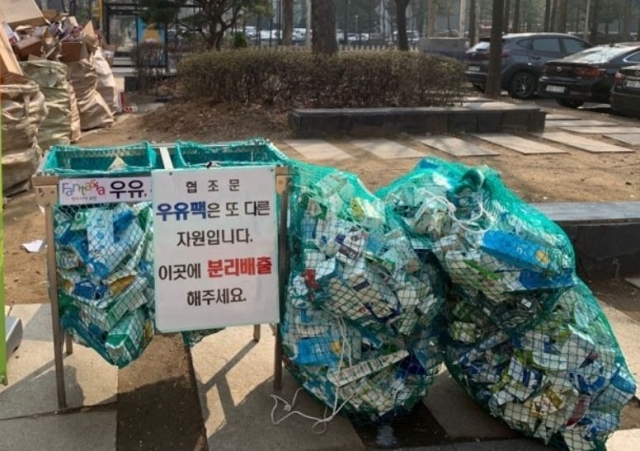
Properly collected, cartons can be a valuable resource. But because they are so often mixed in with ordinary waste paper, a significant portion ends up incinerated rather than recycled.
There is a further complication: aseptic cartons. Unlike standard refrigerated milk cartons, aseptic packaging is made by laminating paper, plastic and aluminum together in multiple layers.
The difference is easy to spot by looking inside. The interior of a regular milk carton is close to white, while an aseptic carton typically has a silvery sheen from its aluminum layer. That structure shields the contents from light and oxygen, allowing products to be stored at room temperature for extended periods.
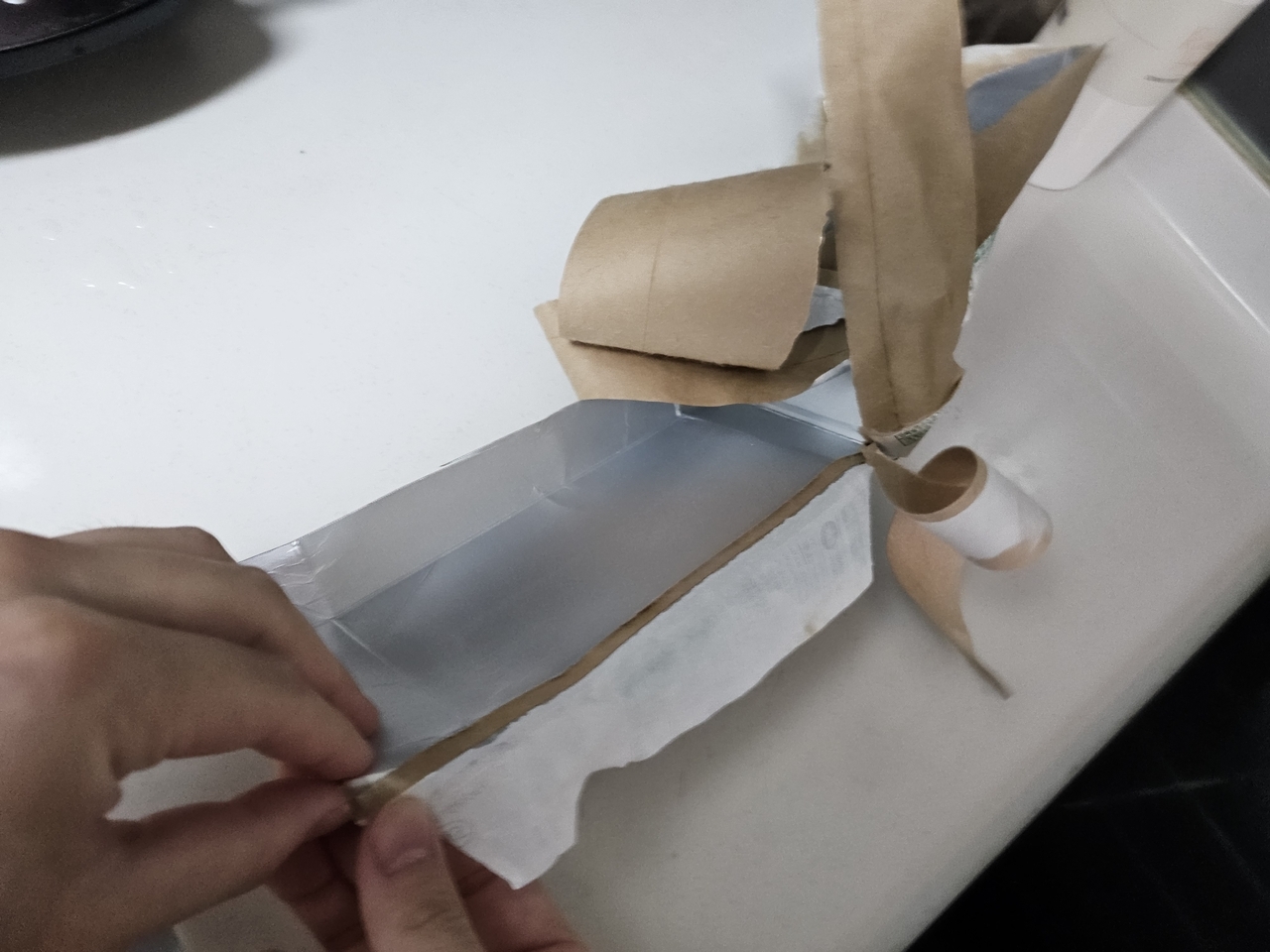
In recycling, however, that same structure becomes an obstacle. Unlike standard cartons, aseptic packaging requires the aluminum layer to be separated as well, making the process considerably more demanding.
According to data the Ministry of Climate, Environment and Energy released in January this year, a total of 30,683 tons of aseptic cartons were shipped or imported domestically in 2024. Of that, only 926 tons — roughly 3 percent — were actually recycled.
The picture for paper cartons overall, including standard milk cartons, is not much better. Data from the Korea Resource Circulation Service Center show that the domestic recycling rate for paper cartons was only about 14 percent in 2024 — nearly half the 26 percent recorded in 2014, a decline of that magnitude in just a decade.
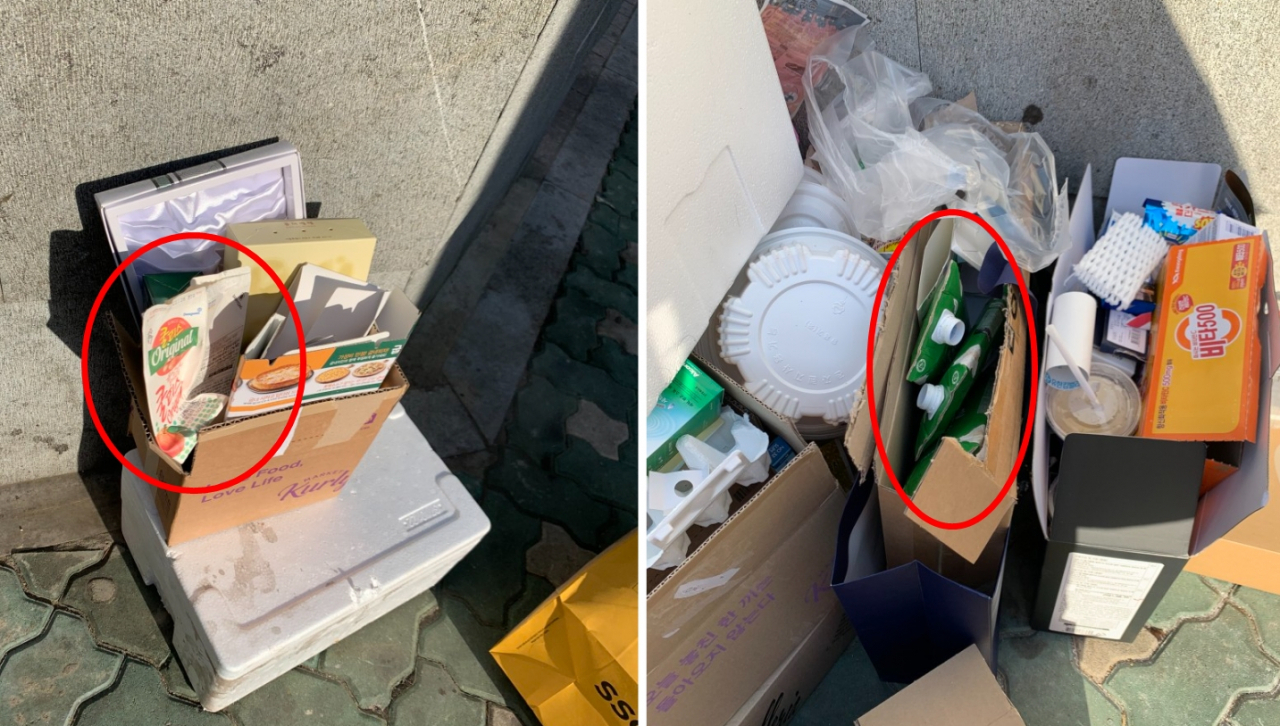
Why is the recycling rate so low? One factor is public awareness — or the lack of it.
In a survey on aseptic carton recycling awareness conducted by the Seoul Environment Federation in September last year, targeting adults nationwide, 42.7 percent of respondents said they dispose of aseptic cartons and standard paper cartons together without distinguishing between them.
Only 33 percent said they knew the two types needed to be sorted separately. Many respondents were also unaware of the correct disposal method: when asked how aseptic cartons should be discarded, 47.5 percent said they should go in with ordinary paper waste.
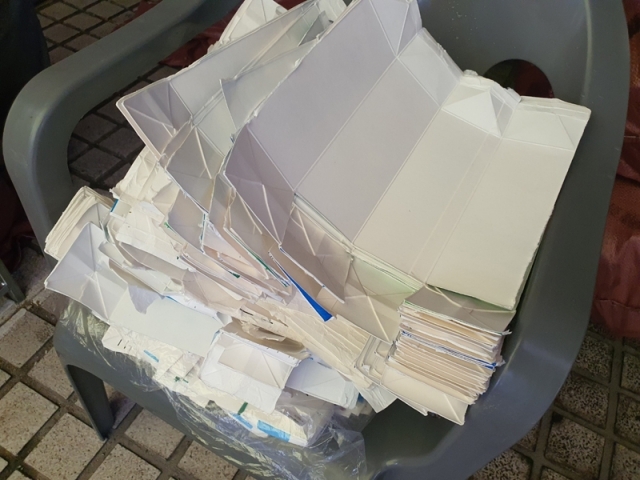
More than 25 percent of respondents said they throw cartons into standard volume-based waste bags. Only 24 percent said they use a dedicated carton collection bin.
But the problem cannot be blamed solely on public indifference or a lack of awareness. The collection infrastructure needed to dispose of cartons separately was never properly established in the first place.
At most apartment recycling stations, bins for paper, plastic and cans are easy to find. Dedicated bins for paper cartons alone, however, are absent from many sites. In some cases, residents must travel to a community center or a separately designated collection point to dispose of them properly.
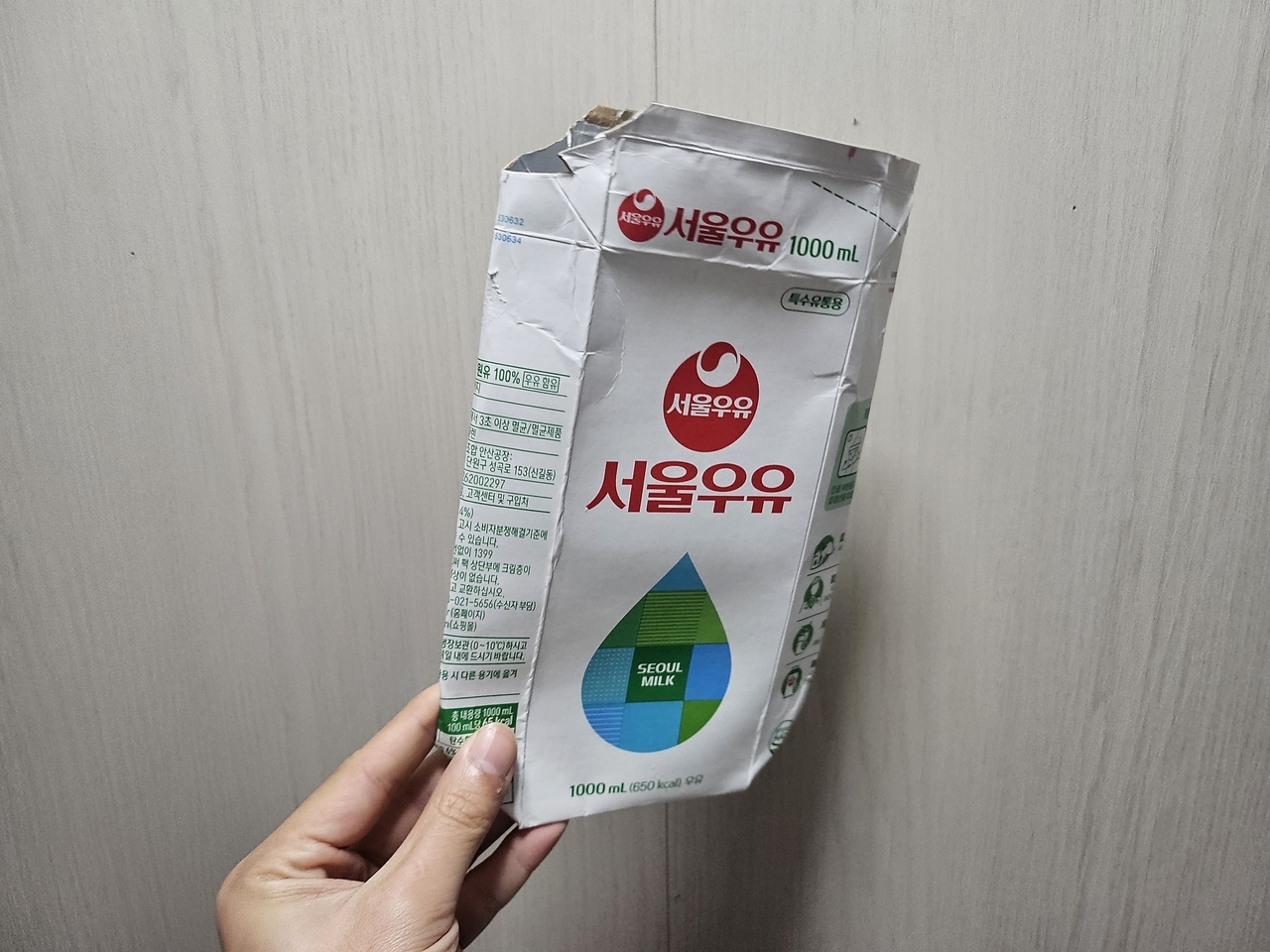
Even cartons that make it into general recycling bins are not guaranteed to be recycled. According to a report on paper carton recovery and sorting at Seoul's public sorting facilities, released in June this year by the resource-circulation group Jigu-reul Jikineun Sossohan Haengdong, Seoul's 25 autonomous districts collectively sorted a total of 481.67 tons of paper cartons through public facilities last year.
In six of those 25 districts, the volume sorted at public facilities was zero. Guidelines and equipment for separate sorting were also found to be inadequate: 15 of the 25 districts — 60 percent — did not list paper cartons as a distinct category in their waste-sorting guidelines.
No matter how diligently residents wash, dry and set aside their cartons, recycling cannot happen if the collection and sorting systems that follow are not equipped to handle them separately.
Calls for the government to establish a more proactive collection system have grown steadily. Change is now under way. Since Oct. 1, the Ministry of Climate, Environment and Energy has been encouraging approximately 144,000 buildings in mandatory-management residential complexes nationwide to voluntarily begin sorting paper cartons separately ahead of a formal requirement.
The core of the initiative is to have apartment complexes of 300 units or more — and other residential buildings above a certain size — collect paper cartons apart from ordinary waste paper. The government plans to make this mandatory from Jan. 1 next year through a revision of the relevant guidelines.
Improvements to the recycling process after collection are also being pursued. On Sept. 21, the Ministry of Climate, Environment and Energy signed an MOU with companies involved in paper carton production and recycling. Under the arrangement, manufacturers will share the costs of collection, sorting and recycling, while the recycling industry will work to build a system that turns separately collected cartons into high-quality recycled raw materials and finished products.
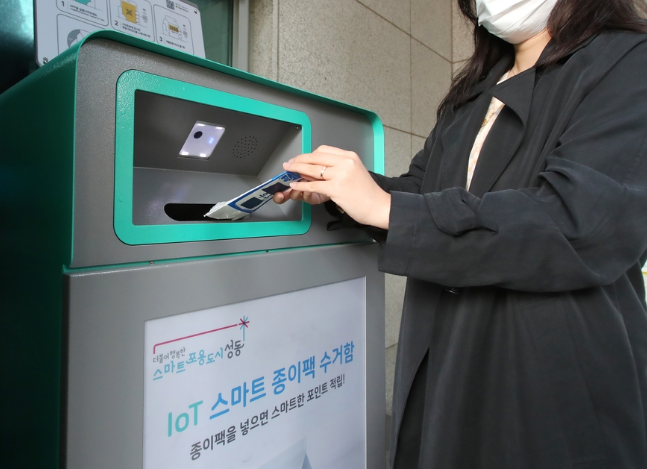
Making separate disposal mandatory will not, on its own, solve the recycling problem. Even if cartons are collected apart from other waste, the practical gains will be limited if they end up mixed back in with other refuse during collection or are not properly sorted at processing facilities.
Aseptic cartons, with a recycling rate of just 3 percent, present a particular challenge: beyond a dedicated collection system, the industry still needs to secure recycling facilities capable of stably processing the recovered material, as well as buyers for the output. The government has moved to improve the entire chain — production, collection and recycling — but whether real change will materialize on the ground remains uncertain.
Climate, Environment and Energy Minister Kim Sung-hwan, speaking at last month's MOU signing ceremony for improving the paper carton recycling system, said the ministry would "do its utmost to build the institutional foundation — including establishing a separate paper carton collection system — and provide policy support so that the paper carton recycling system can take stable root in practice."
woo@heraldcorp.com





