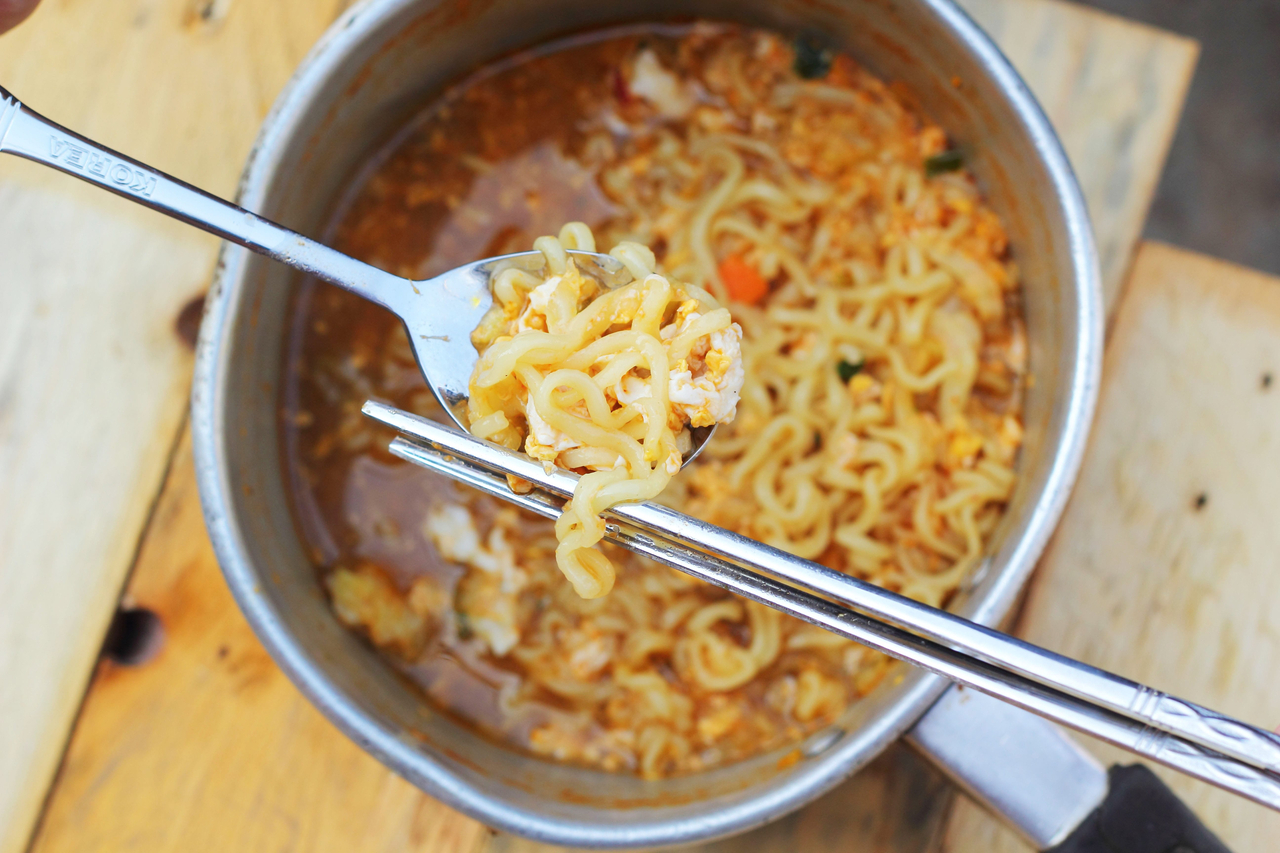
Too much trouble to boil ramyun on the stove?
Ramyun is South Korea's undisputed national food. The country consumes about 4 billion individual servings a year — roughly one per person every four to five days.
Cup ramyun takes that convenience a step further: just add hot water and wait, no pot or stove required.
But a hidden problem lurking behind that convenience has now come to light.
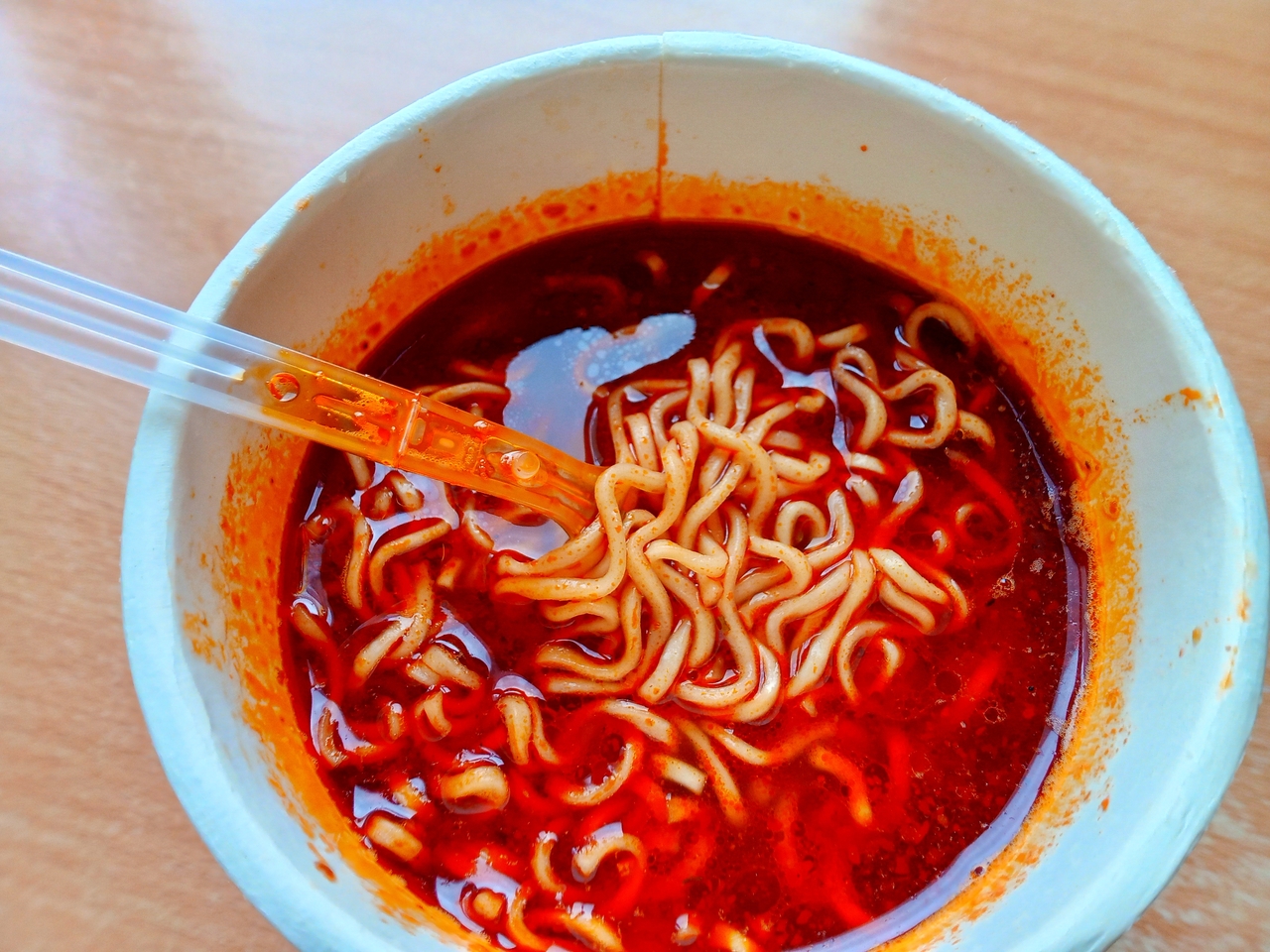
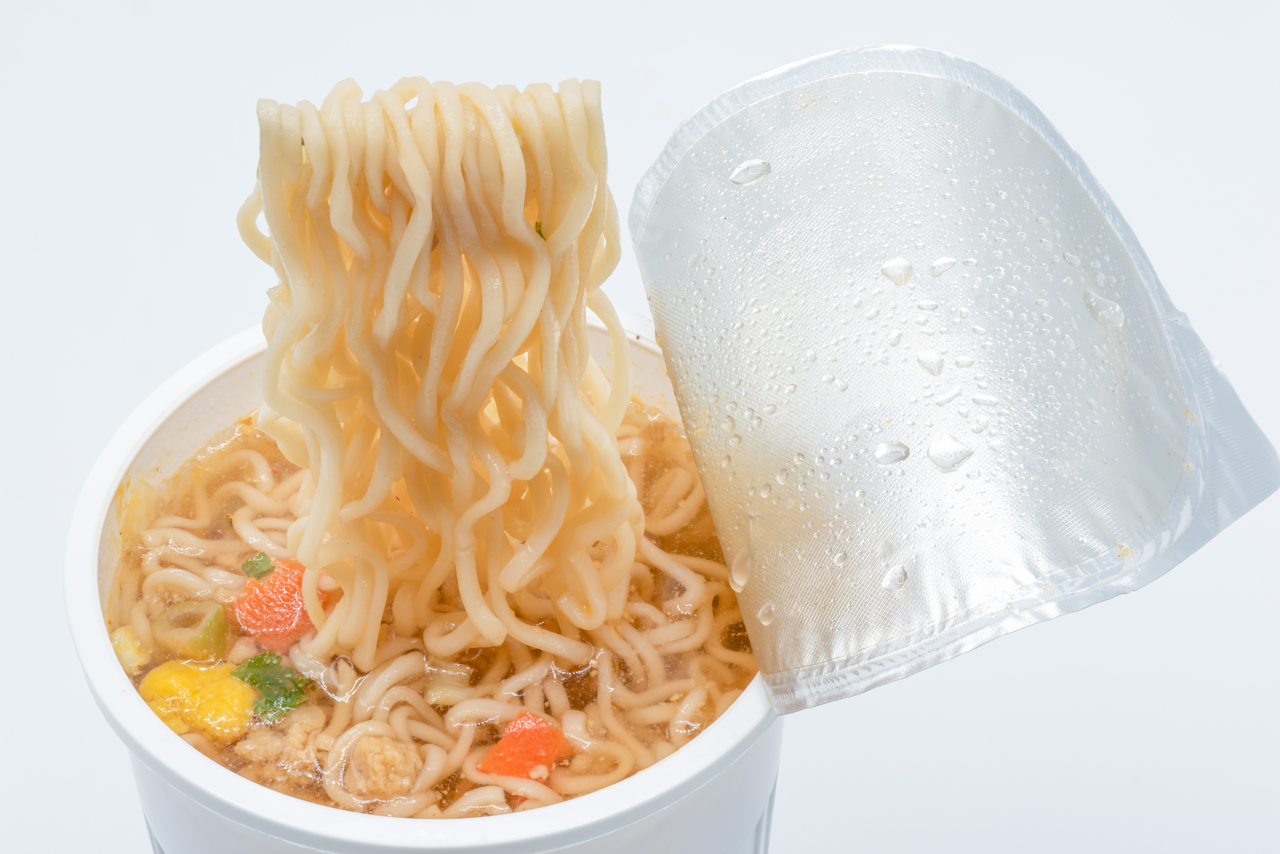
Hundreds of microplastic particles are being released into the water each time hot water is poured into a cup ramyun container.
The culprit is the cup itself — specifically, the thin plastic coating applied to the inside of the container to prevent leaks.
That is why experts now advise choosing packaged ramyun cooked in a pot over cup ramyun.
Researchers at China Agricultural University recently published findings on microplastic release from cup ramyun containers in the Journal of Food Composition and Analysis, according to the climate and environmental science community Friday.
The team examined 10 cup ramyun brands from four countries — South Korea, China, Japan and Thailand — obtaining two products per brand for a total of 20 samples.
The experiment was straightforward. Researchers poured 500 milliliters of water heated to 95 degrees Celsius into each cup, covered it with aluminum foil and waited 15 minutes. They then removed the foil, left the cups to stand for another 20 minutes and analyzed the microparticles present in the water.
Microplastics and other microparticles were detected in all 20 samples. According to the paper's abstract, the average number of microparticles found per cup reached 318 — hundreds of invisible particles released simply by pouring in hot water.
The substances detected were varied. Researchers identified multiple types of plastic, including polyethylene (PE), a polyethylene-polypropylene (PE-PP) composite and polyester.
Where are these microplastics coming from? The researchers focused on the container itself. The inner surface of many cup ramyun containers is coated with a thin plastic film to prevent water from seeping through, and the team suggested that microparticles are likely breaking off from this plastic coating layer.
This is not a new concern. In April last year, domestic test results showing microplastics detected in cup ramyun containers were made public in South Korea.
Analysis by KOTITI Testing and Research Institute, a nationally accredited testing body, released by the office of People Power Party lawmaker Im Yi-ja, found that pouring water at 100 degrees Celsius into a styrofoam cup ramyun container sold under a domestic brand and leaving it for 30 minutes produced 17 microplastic particles.
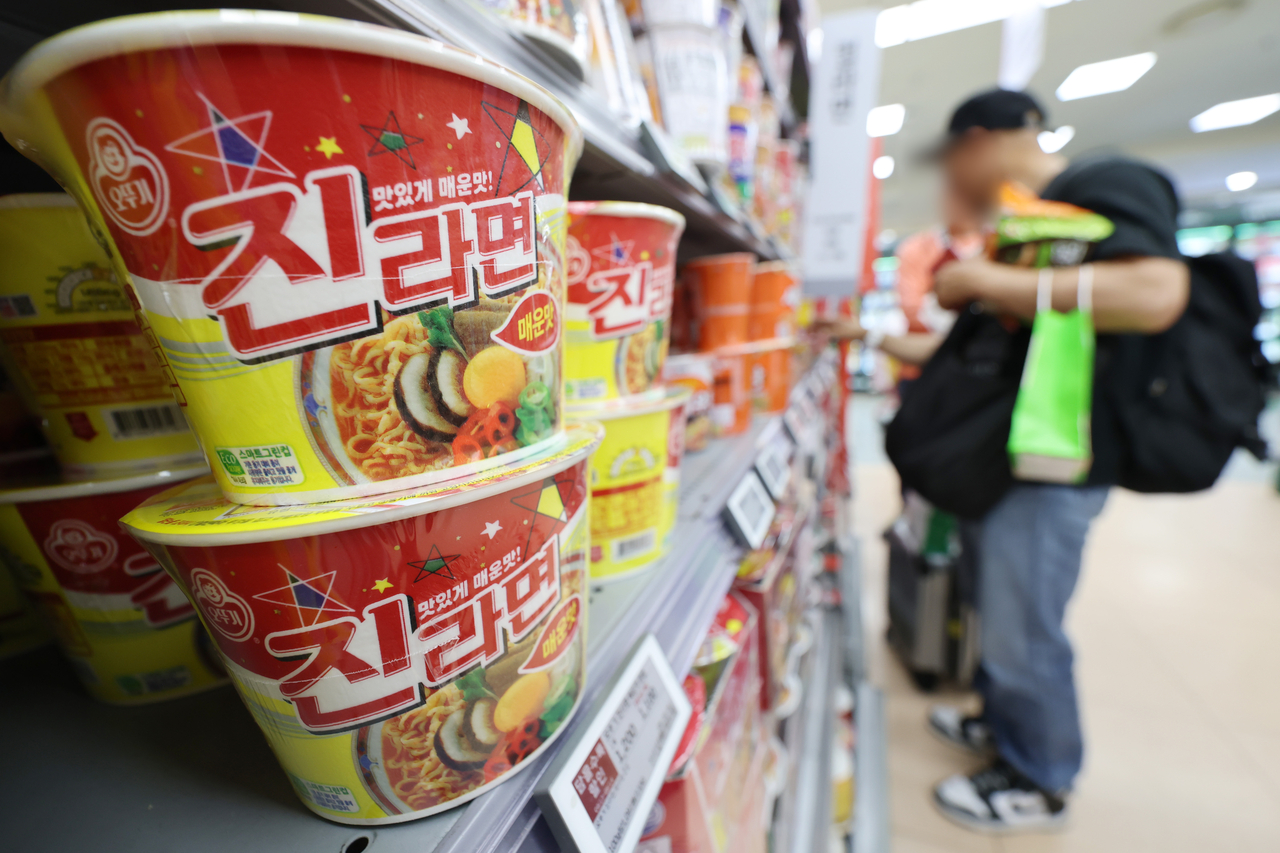
Cup ramyun containers sold in South Korea fall broadly into two categories: styrofoam-based and paper.
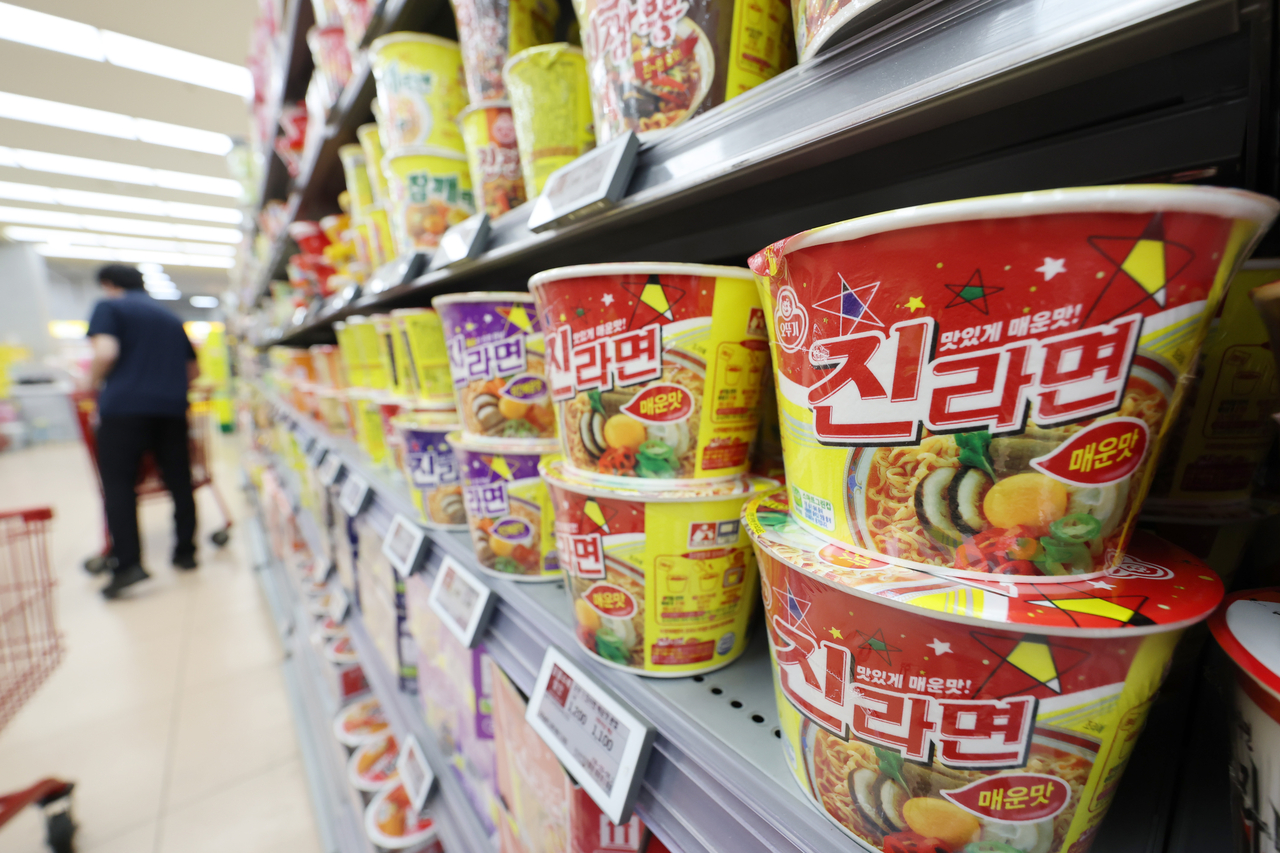
Polystyrene styrofoam containers were once the dominant choice, prized for their insulating properties and low cost. As concerns grew over the environmental impact and safety of single-use plastics, however, some products switched to paper containers.
Styrofoam has not disappeared entirely — polystyrene containers are still used in cup ramyun sold in South Korea today. The problem is that paper containers are not entirely free of plastic either.
They rely on an inner plastic coating to keep the paper from absorbing liquid, meaning the "paper cup" label does not mean plastic-free.
How harmful is it to ingest microplastics from cup ramyun? No clear conclusion has been reached. Further research is needed to determine how much exposure over how long a period begins to affect human health.
Concerns about the potential adverse effects of microplastics on the human body have, however, been raised consistently. Animal studies have documented changes in sex hormone levels and negative effects on reproductive function in subjects exposed to microplastics. Some research has also observed increased inflammatory responses and oxidative stress in the body.
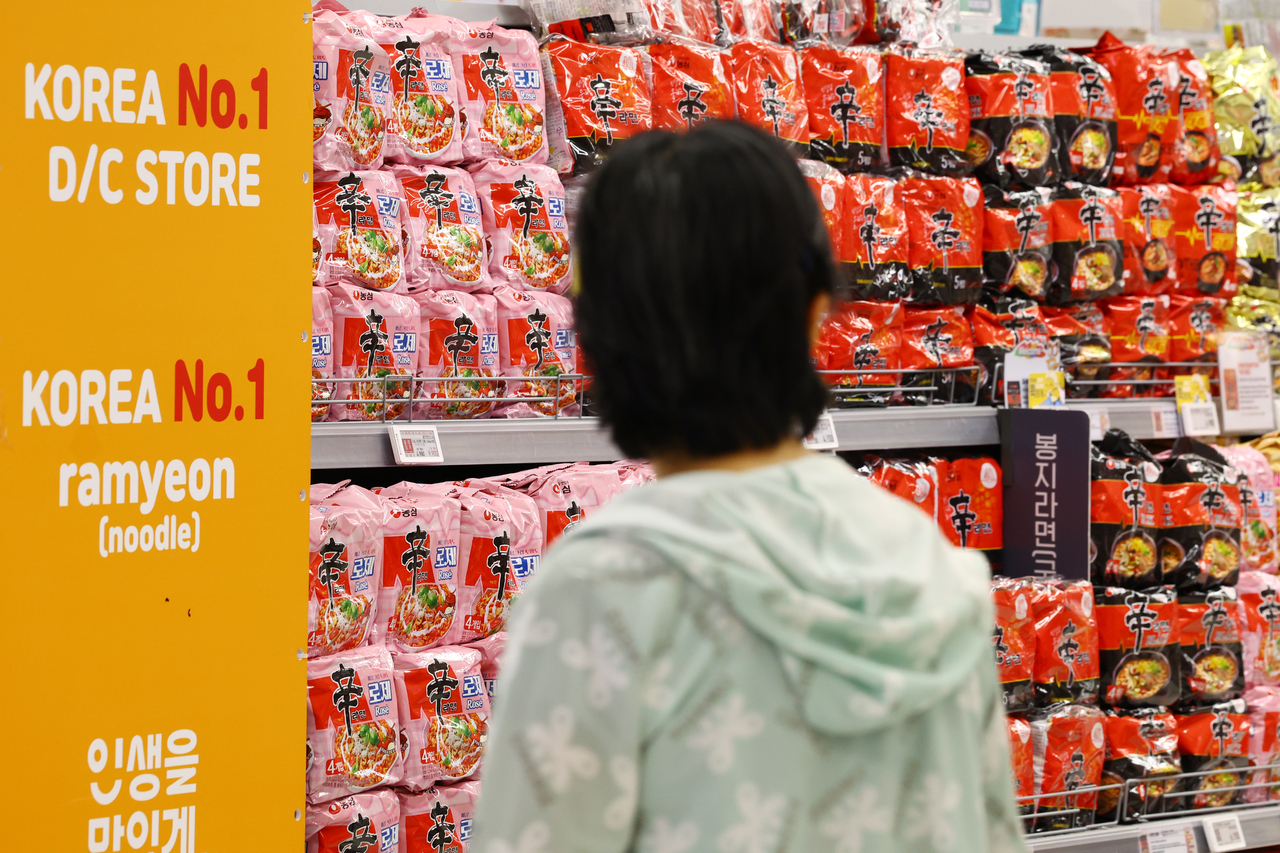
South Koreans are particularly heavy ramyun consumers. According to the World Instant Noodles Association, domestic ramyun consumption last year reached about 4.06 billion servings, ranking ninth in the world.
Divided by population, that works out to roughly 79 servings per person per year — about once every four to five days — placing South Korea second in per capita consumption globally, behind only Vietnam.
The potential risks of microplastic exposure are therefore difficult to dismiss, and the government has launched investigations to assess the actual situation.
Under the government's Sixth Basic Plan for Food Safety Management, drawn up late last year, authorities plan to conduct 300 microplastic surveys this year targeting food utensils, containers and packaging materials. From 2029, surveys on microplastic exposure through food consumption are also set to begin.
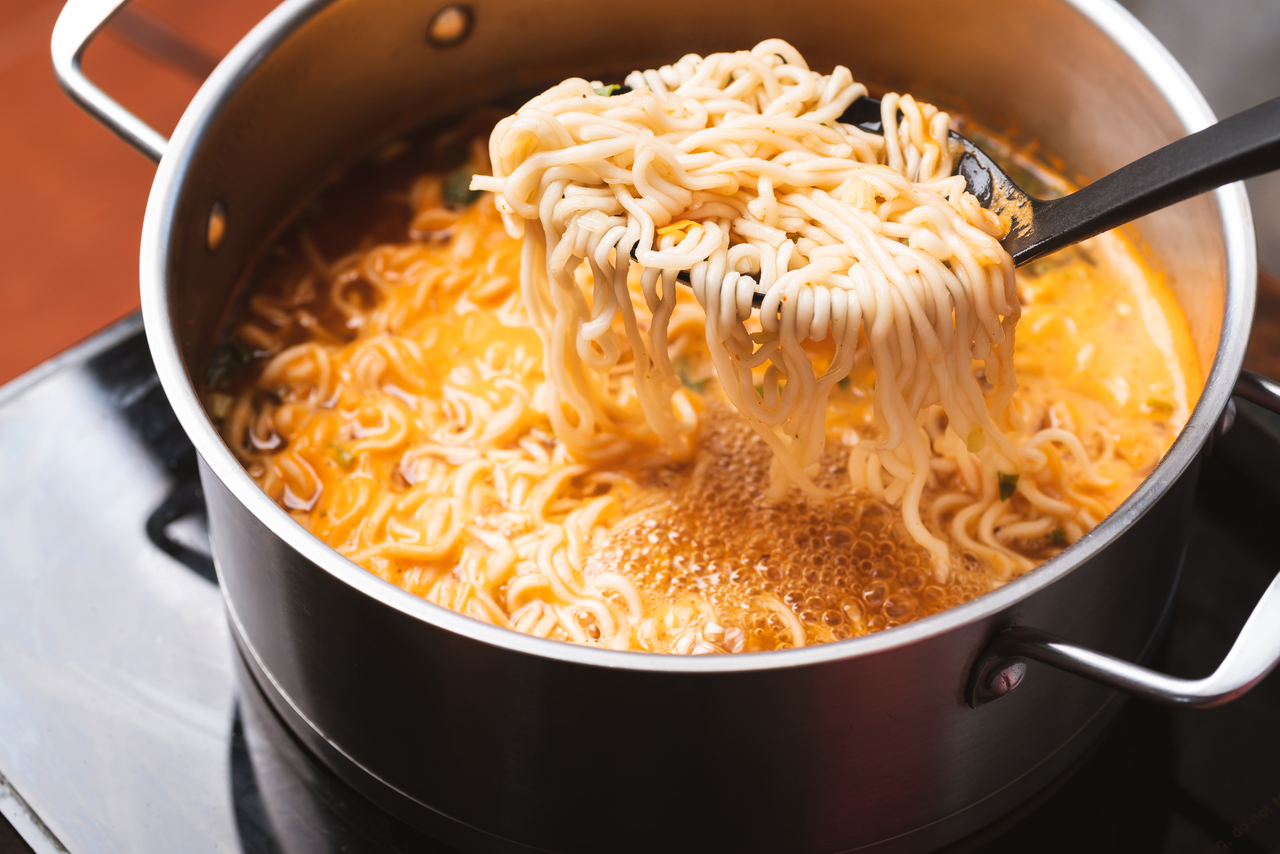
In the meantime, consumers looking to reduce unnecessary exposure can consider cooking ramyun in a separate pot rather than using the disposable cup. Experts have also said that minimizing the use of disposable containers through alternative methods is important.
The researchers themselves stressed the point. "Disposable cup ramyun containers are a major source of microplastic release," they said. "To reduce microplastic intake, it is important to cut back on cup ramyun consumption or avoid drinking the broth."
woo@heraldcorp.com