
Cost competitiveness and local fill-finish operations underpin stable supply
Nationwide wholesale distribution network boosts hospital and clinic coverage
Tokyo office expansion, 11-product lineup planned for next year
![An exterior view of Celltrion's headquarters. [Celltrion]](https://wimg.heraldcorp.com/news/cms/2026/10/16/news-p.v1.20260414.b7864bd2ff514cb6b254b80f9c9f2ce2_P1.jpg)
Celltrion has steadily grown in Japan — the world's third-largest pharmaceutical market by country and one of the most difficult to crack — since establishing a local subsidiary in 2014, building out a localization system that has now taken firm root.
Industry observers credit the company's long-accumulated trust and sophisticated localization framework as the key forces that allowed it to clear the high barriers of Japan's demanding pharmaceutical ecosystem.
Japan's pharmaceutical market has historically been slow to adopt biosimilars, owing to its distinctive drug-pricing regime and healthcare coverage structure. Under a system that caps patients' monthly out-of-pocket treatment costs and has the government cover any excess — and a separate program that fully subsidizes treatment costs for rare and intractable conditions such as inflammatory bowel disease — patients and healthcare providers alike have had little financial incentive to switch prescriptions.
A conservative prescribing culture, in which treatment decisions revolve around regional hub university hospitals and academic society guidelines, has added another layer of difficulty for foreign companies.
Profitability management is equally challenging. Japan operates a system of regular annual drug-price surveys that result in mandatory price reductions, and companies that cannot withstand the initial price adjustments and sustained downward pricing pressure upon market entry find it difficult to cover the fixed costs of maintaining a local entity and running a distribution operation.
The difficulty of the environment has become increasingly apparent. Local Japanese media have recently reported that at least one global pharmaceutical company, citing operating conditions in the country, decided to phase out the supply of some of its biosimilar products in Japan and began notifying local medical institutions about alternative products.
Against that backdrop, Celltrion has moved in the opposite direction, cementing a leading position in key prescription segments — including surpassing originator drugs in some areas. The company has secured a market-leading standing in oncology antibody therapies and autoimmune disease treatments in Japan, and has absorbed substitute-prescription demand generated by competitors' supply withdrawals, establishing itself as a mainstream pharmaceutical player.
The foundation of that position is a rigorous local production and supply system. Japan's medical community and its regulatory authority, the Ministry of Health, Labour and Welfare, apply extremely strict standards to drug supply disruptions and quality control.
Celltrion proactively adopted a structure in which the drug product fill-finish process is carried out at a local partner facility in Japan. By importing active pharmaceutical ingredients and completing final production — in vial or prefilled syringe form — domestically, the company eliminated external variables that could arise from import customs clearance or international shipping. The approach has improved supply predictability and helped Celltrion demonstrate the highest quality standards demanded by local regulators and major hospitals, earning deep institutional trust.
Close partnerships with a nationwide wholesale distribution network have also driven stable market penetration. From its earliest days, Celltrion patiently built collaborative ties with Japan's broad wholesale distribution infrastructure, reducing its own fixed and logistics costs while securing wide sales coverage and distribution efficiency across hospitals, clinics and pharmacies throughout the country. In line with its business expansion, the company relocated and expanded its Tokyo office to Kyobashi in Chuo-ku in August, significantly strengthening its local business infrastructure.
A shift in Japanese government policy in response to the country's rapidly aging population is providing additional tailwinds. The Ministry of Health, Labour and Welfare is pushing to achieve an 80 percent biosimilar share across at least 60 percent of biopharmaceutical ingredients by March 2030, as part of efforts to put the healthcare system on a sounder fiscal footing.
Incentives under the diagnosis procedure combination system applied to inpatient care, combined with the establishment of ingredient-name prescribing bonuses and pharmacy dispensing bonuses that encourage the expanded use of subcutaneous injection formulations in outpatient settings, have further strengthened the motivation of medical institutions and pharmacies to prescribe biosimilars.
Portfolio diversification is another engine of economies of scale. Celltrion has significantly broadened its therapeutic reach in Japan, adding Steqeyma, Aptozma, Idenzelt and Omriclo to its existing lineup of Remsima, Herzuma, Vegzelma and Yuflyma. The company has also accelerated product introductions by making active use of a Japanese regulatory pathway that waives separate clinical trials when a company can demonstrate the absence of racial differences in drug response.
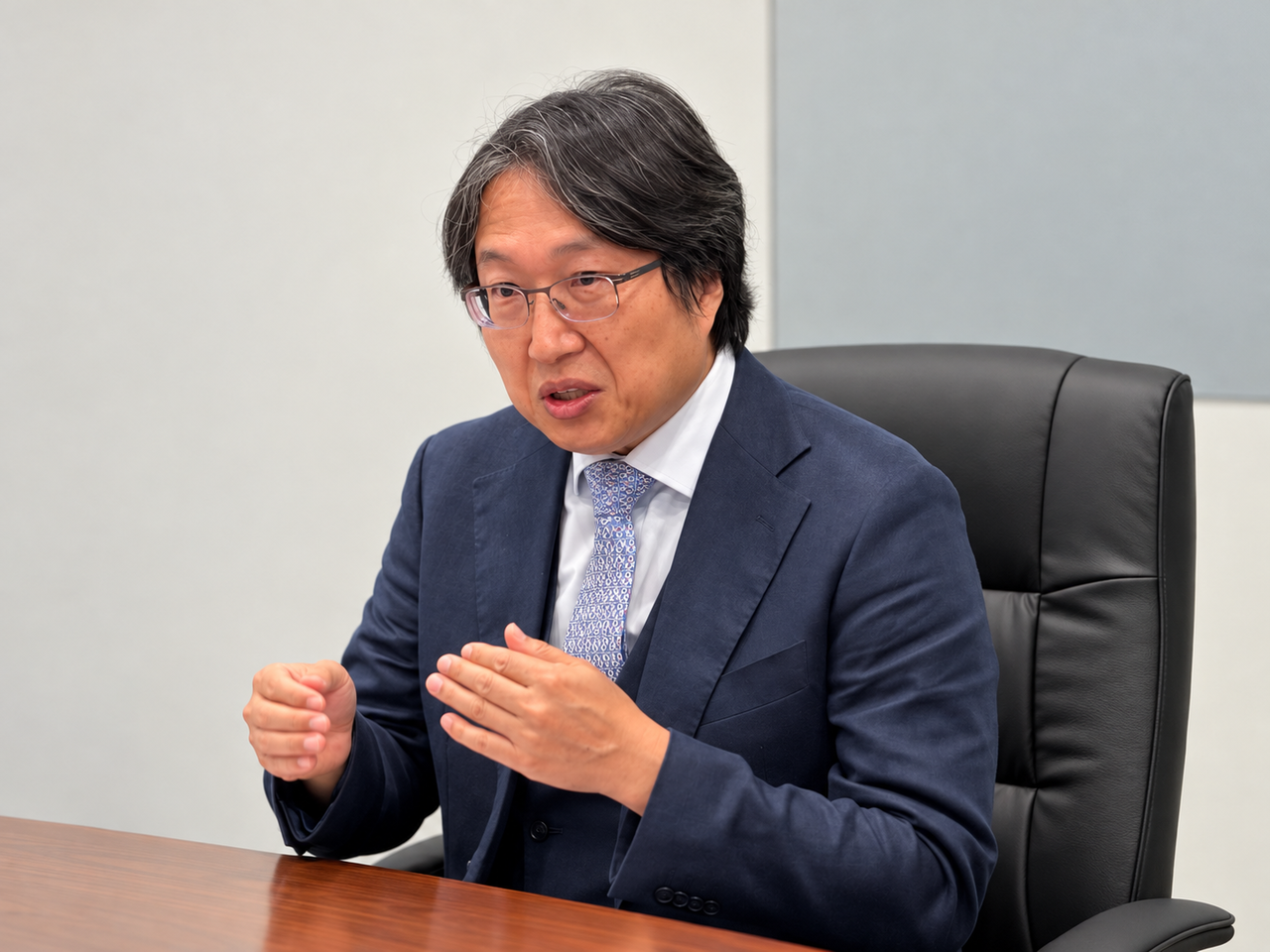
Kim Ho-woong, Celltrion's executive vice president and head of the JAL division, said in an interview in Kyoto on Thursday, on the sidelines of the World Allergy Congress, that the company plans to expand its Japan portfolio to 11 products by next year, in line with its commercially launched global lineup. "We will then sequentially introduce follow-on products currently in global approval and clinical stages, gradually expanding our handled products to 16," Kim said.
"We have secured sustainable price competitiveness on the back of strong cost competitiveness, efficient distribution network collaboration and a local production structure," Kim said. "We will move beyond single-product competition and, on the strength of a diversified portfolio, firmly build a long-term and stable earnings base in the Japanese market."
silverpaper@heraldcorp.com





