A wide-ranging cultural figure who moved between film, music criticism, saju and arts administration
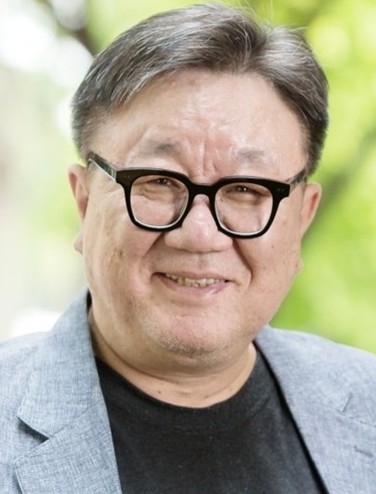
Kang Heon, chairman of the Korea Arts and Culture Education Service and a leading voice in Korean popular music criticism during the 1990s, died Tuesday. He was 64.
According to people in the music industry, Kang died Tuesday afternoon. The cause of death has not been disclosed.
Born in Busan in 1962, Kang entered Seoul National University's Korean language and literature department with ambitions of becoming a novelist, later studying music theory at the university's graduate school of music. His career began in film. He worked on the productions of "Oh! Land of Dreams," "Night Before the Strike" and "Opening the Closed School Gate" with the independent film collective Jangsan Gotmae, and went on to write screenplays for the commercial films "When Adam Opens His Eyes" and "Jungle Story," as well as the script for the TV drama series "The Third Theater."
His turn toward criticism came at a junior colleague's request. A single essay on singer Kim Hyun-sik became his starting point. Beginning with "On Kim Hyun-sik: From Acoustic Guitar to Blue Note," published in 1991, Kang wrote about popular music across newspapers, magazines and broadcast media. His criticism read songs through the society and history that produced them.
Seo Taiji and Shin Hae-chul were central figures in Kang's critical work. In 1994, Kang sat down with Seo for the inaugural issue of the quarterly journal "Review," where the two discussed rock music, lip-syncing, sampling and the absurdities of the broadcasting industry at length. His bond with Shin ran especially deep. At Kang's suggestion, Shin contributed to the soundtrack of the film "Jungle Story" (1996), a tribute album marking the 20th anniversary of Park No-hae's "Dawn of Labor" (2004), and a memorial project for former President Roh Moo-hyun titled "Talssang" (2012). After Shin's death in 2014, Kang honored his longtime friend by publishing "Shin Hae-chul: In Memory of Shin Hae-chul 1968–2014" in 2018, the year that marked Shin's 30th debut anniversary.
Kang did not confine himself to writing — he also produced live events. He organized the concerts "Freedom" and the "Folk 30th Anniversary Festival," and staged the music theater productions "The Unending Song," "Cheonbyeon Salon," "Cheonbyeon Cabaret" and "The Princess Cannot Sleep." With colleagues, he founded the cultural quarterlies "Yegam," "Sangsang" and "Review." For 20 years he taught the history of Korean popular music at Hongik University, Sungkonghoe University, Dankook University and Sungkyunkwan University.
His life took a dramatic turn at 42, when a torn aorta left him in a coma for 23 days. After recovering, he turned to the study of saju, a traditional Korean system of fate reading based on birth dates, and published "Saju: Reading Fate" in 2015.
His record as a cultural administrator was equally long. He was appointed president of the Gyeonggi Cultural Foundation in December 2018 and served one additional term. He submitted his resignation in August 2022, citing health reasons, with about four months remaining in his term. He also served as the fifth chairman of the Korea Regional Cultural Foundation Association. In December last year, the Ministry of Culture, Sports and Tourism appointed him chairman of the Korea Arts and Culture Education Service, a post he was to hold through December 2028.
Until shortly before his death, Kang had been writing a column, "Kang Heon's History in Pops," for the Chosun Ilbo. His books include "Waves of Music, Waves of Resonance," "Moments of Subversion and Reversal," "Kang Heon's History of Korean Popular Culture," "Saju: Reading Fate," "Saju: Tuning Fate" and "In Praise of Life." A memorial altar is to be set up Wednesday at 9 a.m. in Room 2 of the funeral hall at Seoul St. Mary's Hospital.
shee@heraldcorp.com