8 in 10 escape-room businesses say they use Temu
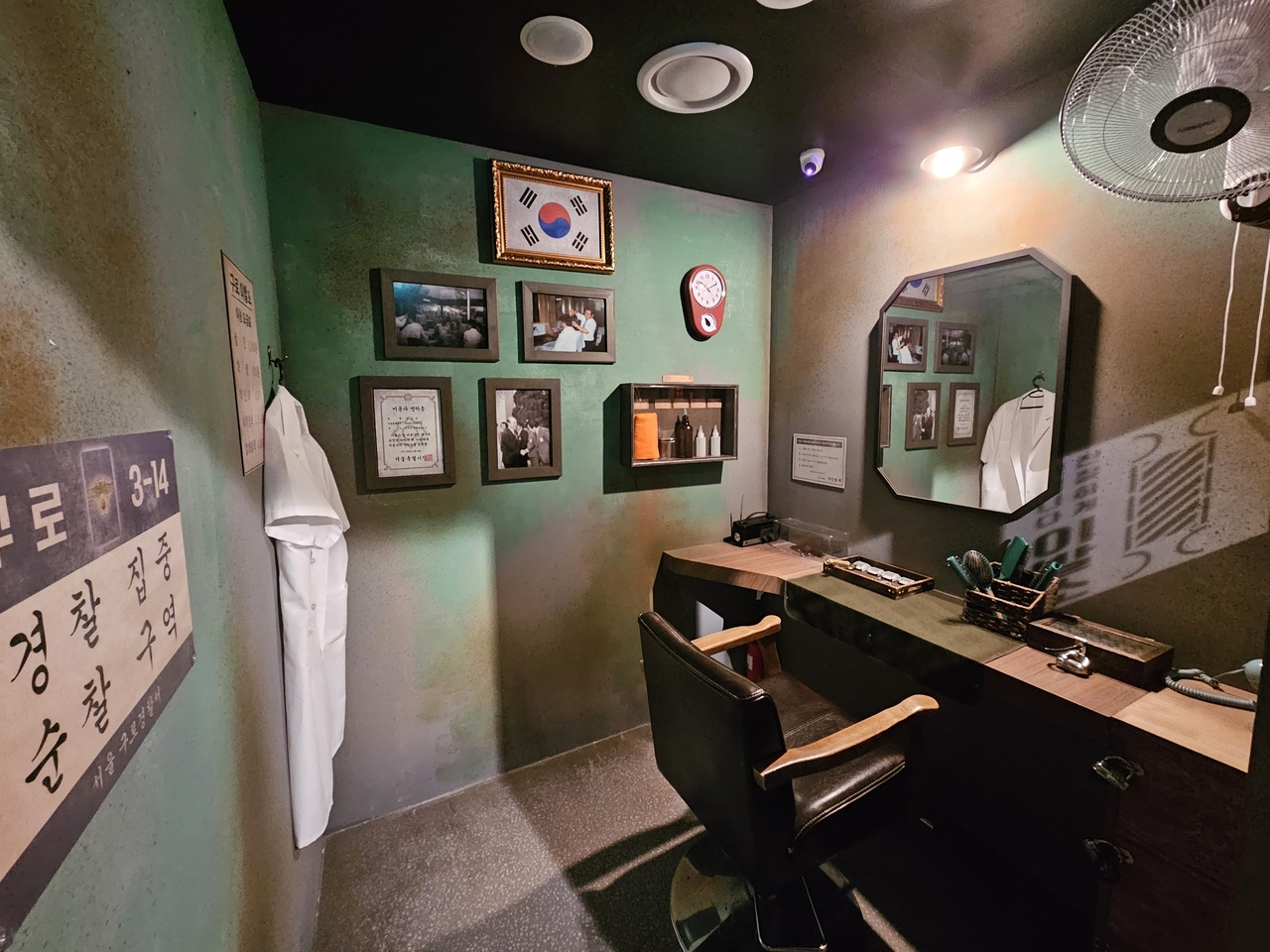
Noh Young-wook, chief executive of RS PROJECT, a company that specializes in building escape-room cafes, transforms everyday objects and ideas into immersive spaces. In his constant search for ways to dress up new themes, the global e-commerce platform Temu has become his go-to source of inspiration.
"It's not simply about buying products cheaply," Noh said. "The core is bringing high-immersion ideas to life in a physical space."
That drive to uncover fresh ideas has grown more urgent across South Korea's escape-room industry. Once established as a leisure staple among young Koreans, the format is now drawing foreign tourists eager to sample K-culture firsthand.
According to the Korea Tourism Organization, foreign visitors' spending at escape-room venues surged 1,419.2 percent in the first half of last year compared with the same period a year earlier. The format is rapidly expanding beyond dedicated cafes and themed stores into pop-up experiences for product launches and brand activations, as well as interactive projects run by government agencies and local authorities.
Escape rooms are games in which participants complete missions and solve puzzles to break out of a locked space within a set time limit. The concept gained popularity in the United States, Europe and Japan before arriving in South Korea in 2015. Early versions centered on picking locks and answering quiz questions, but the genre has since evolved into immersive content in which players become the protagonist of a story, exploring the space and solving problems themselves. The Korea Escape Room Association estimates that roughly 450 venues nationwide currently operate more than 2,050 distinct themes.
As customers seek ever more varied and distinctive themes, competition among creators to develop new content has intensified. Because every new space requires its own custom staging and mechanisms, the ability to quickly test and source a wide range of products has emerged as a key competitive edge. Noh and many others in the industry browse Temu and other e-commerce platforms in search of suitable items.
Noh was working as a math tutor and participating in a mystery-solving club when escape rooms first arrived in South Korea. After trying one with fellow club members, he said he knew immediately it was the path he wanted to pursue, and he set out to become a creator.
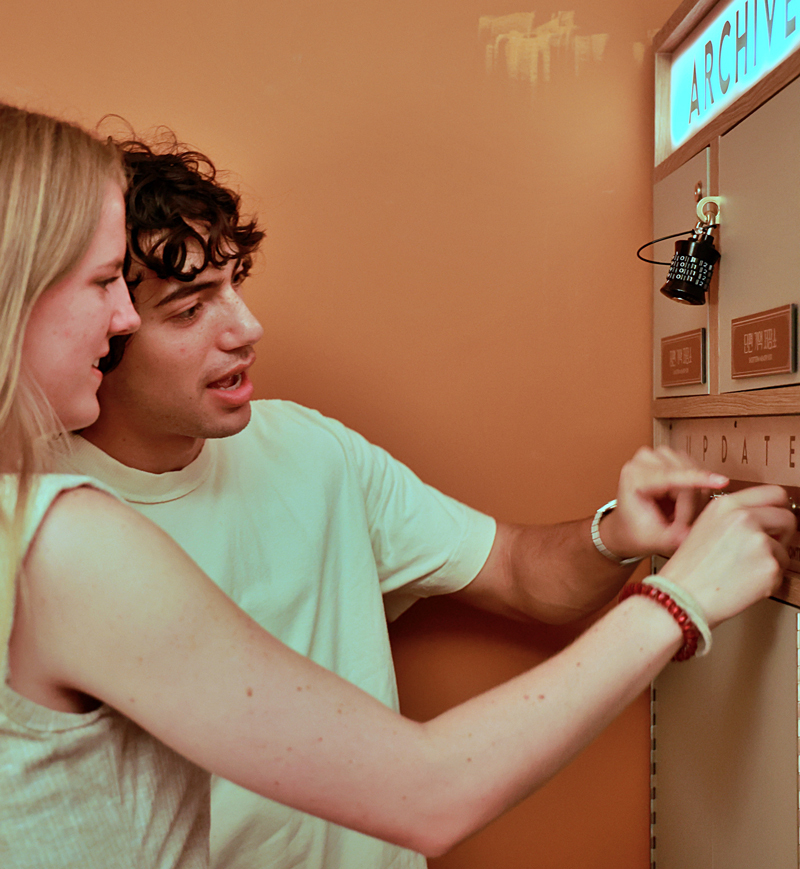
Today Noh oversees the entire production process — from story development and puzzle design to interior construction and prop fabrication. His escape-room franchise brand, ROOMS A, operates 22 locations nationwide, and reservations at popular venues are fiercely contested. He also designs immersive spaces for globally recognized brands, deploying teams of about 10 specialists per project, including planners, designers, on-site supervisors and prop makers.
When preparing a new theme, Noh sources much of what he needs from Temu — costumes and decorative props as well as locks, lighting, sensors and electronic components. The platform lets him find unusual designs and hard-to-source items that are difficult to obtain domestically.
"Temu lets you compare and browse such a wide range of products at a glance, which is a huge help from a creator's perspective," Noh said. Sourcing materials through the platform has cut prop and supply costs by more than 20 percent per theme.
Noh is not alone. In a survey Temu conducted of 10 domestic escape-room businesses and independent creators, eight said they had used or were currently using products purchased on the platform. They cited the wide selection, reasonable prices and reliable delivery as its main advantages.
"There's probably almost no escape-room business in South Korea that doesn't use Temu," said the head of one escape-room production company. The chief of another added that it had become an indispensable platform because it allows them to try new ideas at a reasonable cost.
As demand for escape-room content grows more sophisticated, Temu is cementing its role as a key retail channel for the small-business owners and independent creators who build these experiences. Industry insiders say the platform helps them plan and test a wide variety of props on limited budgets and turn creative ideas into reality.
spa@heraldcorp.com