New orders top 12 trillion won through third quarter, surpassing annual target ahead of schedule
Additional contracts in Mexico, Saudi Arabia and Qatar could push full-year orders to all-time high
Operating profit of 1 trillion won seen as within reach for the first time in company history
Overseas expansion and new businesses in advanced industries and new energy drive the surge
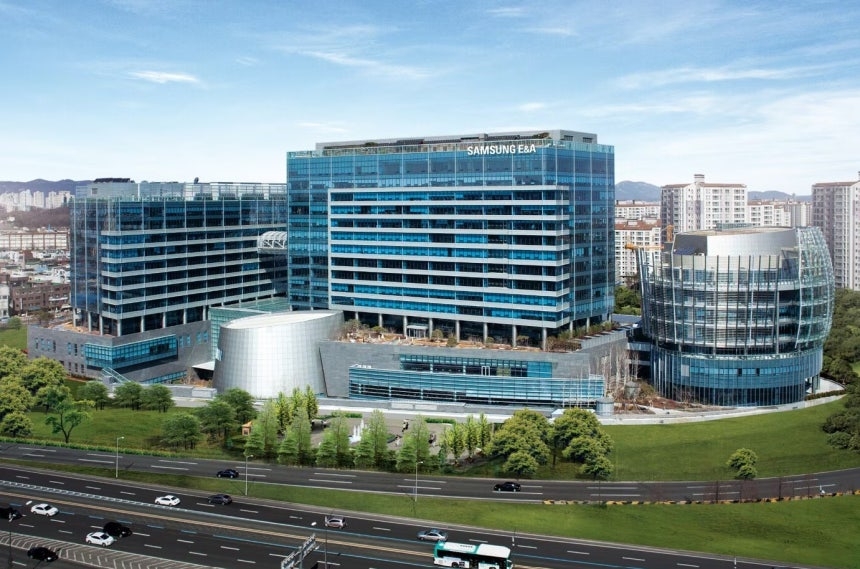
Samsung E&A has achieved its annual order target ahead of schedule this year, driven by an aggressive push into overseas markets and a growing presence in advanced industries such as semiconductors and biotech, as well as new energy sectors including LNG and clean energy. The company is now eyeing additional contracts that could set a new all-time order record and deliver its first-ever annual operating profit of 1 trillion won ($751 million).
Will full-year orders top 14 trillion won and operating profit cross 1 trillion won?
Samsung E&A's new orders through the third quarter exceeded 12 trillion won this year, surpassing its full-year target of 12 trillion won well ahead of schedule, according to industry sources Wednesday. The result marks a sharp rebound from last year, when the company secured only 6.4 trillion won in orders — just 55 percent of its annual target.
Overseas performance was particularly strong. Samsung E&A won a foreign petrochemical project worth $2.4 billion in February and a Middle East water treatment project worth $790 million in June. In September, it secured a $3.5 billion contract for the SNA-7 fertilizer plant in Saudi Arabia.
More overseas contracts are expected. Candidates for the second half of the year include the Mexico Mexinol methanol project, valued at up to $2.5 billion, the Saudi Khafji gas project ($2 billion) and the Qatar urea fertilizer project (up to $2.5 billion).
If those additional contracts materialize, Samsung E&A could break its own annual order record of 14.41 trillion won set in 2024, just two years after setting it. Its order backlog is expected to approach 30 trillion won. As of end-June, the backlog stood at 22.68 trillion won, up 27.7 percent from 17.76 trillion won at the end of last year.
The order momentum is lifting earnings. Securities industry forecasts put Samsung E&A's full-year sales at 10.72 trillion won and operating profit at 989.2 billion won, up 18.7 percent and 24.9 percent, respectively, from a year earlier. Some brokerages project operating profit reaching 1 trillion won — which would be the first time in the company's history that annual operating profit has crossed the trillion-won threshold.
Advanced industries and new energy backlog on the rise
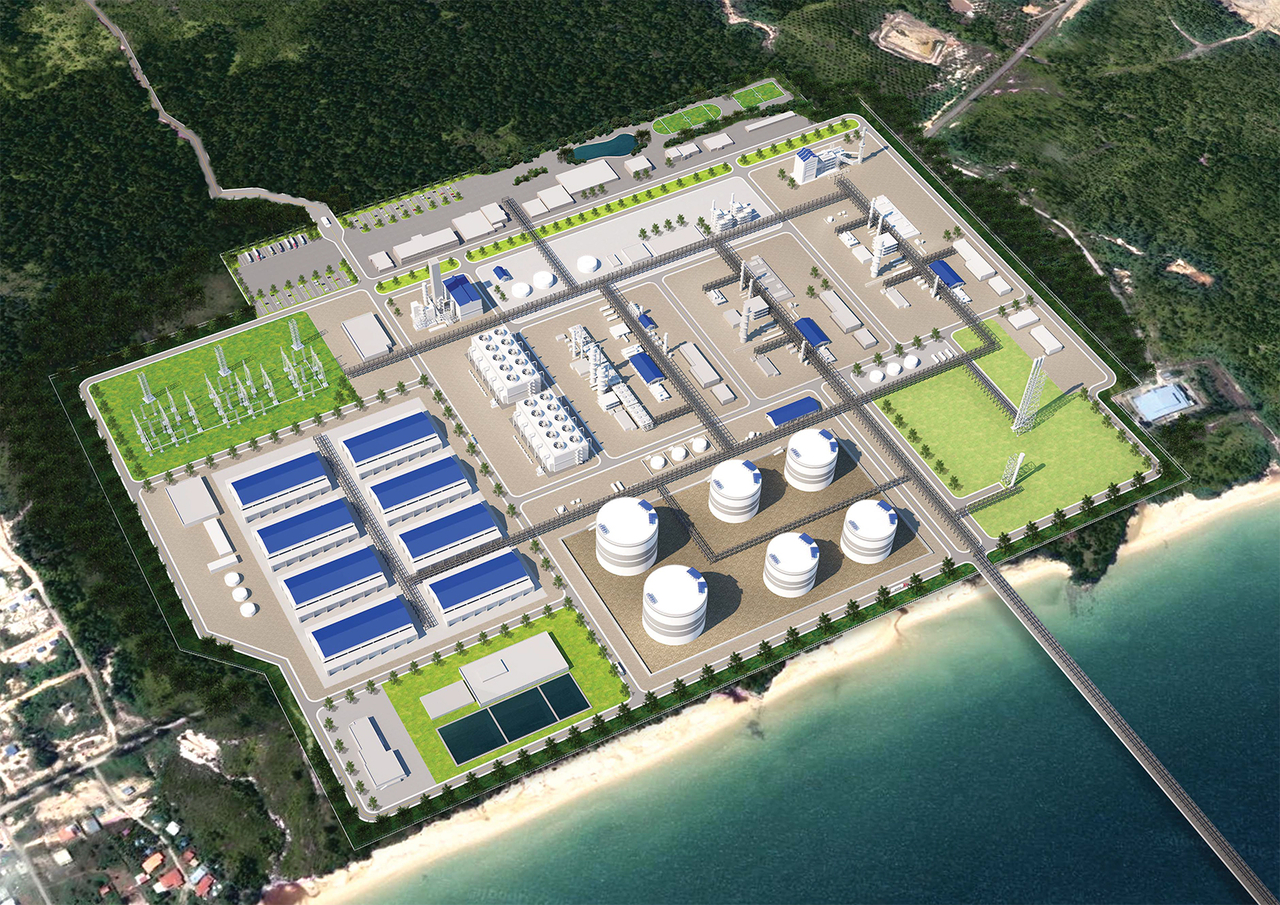
The most notable feature of this year's order wins is the growing weight of advanced industries and new energy. Samsung E&A restructured its business portfolio this year, moving from a two-segment model of petrochemicals and non-petrochemicals to three segments: petrochemicals, advanced industries and new energy. The shift is designed to respond to an energy market transitioning away from fossil fuels toward lower-carbon sources such as LNG, and to capture rising semiconductor infrastructure investment driven by the AI boom.
As a result, the advanced industries order backlog reached 7.02 trillion won as of end-June, up 43.1 percent from 4.91 trillion won at the end of last year. Over the same period, the new energy backlog grew 21.6 percent, from 5.45 trillion won to 6.63 trillion won.
To sustain the momentum, Samsung E&A is accelerating the development of new businesses. In advanced industries, it is reducing its reliance on a handful of major domestic customers and focusing on cultivating overseas clients. In new energy, it is sharpening its competitiveness around LNG to meet growing demand for LNG production facilities, as countries' energy security priorities align with the global push for cleaner energy.
Last month, Samsung E&A unveiled an LNG module package at Gastech 2026, the world's largest energy exhibition, held in Thailand. The LNG module package is a solution that modularizes the key processes of an LNG liquefaction plant and delivers them as an integrated package. The modular construction method involves prefabricating major equipment at a factory or yard before assembling it on site, minimizing field work and improving process management.

yeongdai@heraldcorp.com