Interview with Bankfrick's head of blockchain banking solutions and new business partner
'Crypto firms couldn't even open a bank account' — 8 years of watching the market evolve
'Tokenization still needs issuance, subscription and settlement' — traditional banking role endures
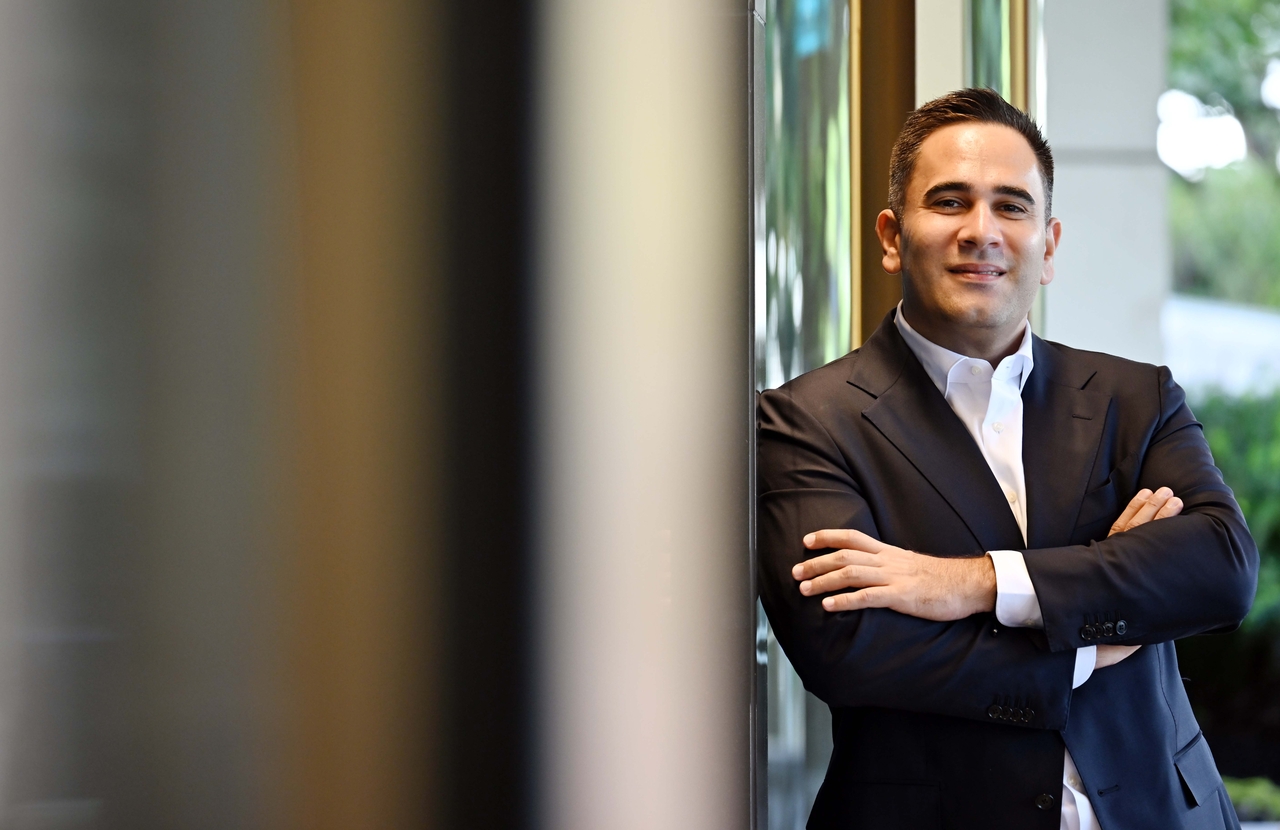
"Above all, regulation must be seen not as an obstacle to innovation but as part of product design. Korea already has the technology and the companies to pursue digital asset businesses. Regulators and industry need to put their heads together and find the right balance between innovation and stability."
Nicolas Marxer, head of blockchain banking solutions at Bankfrick, and Nikola Stoyanov, the bank's new business partner, made the remarks in a recent interview. The two said banks entering the digital asset space should thoroughly assess customer demand and regulatory requirements before investing in technology development. They also advised domestic financial institutions to build risk management and internal control frameworks from the very start of any new venture.
Founded in Liechtenstein in 1998, Bankfrick has offered digital asset trading and custody services since 2018. It has since expanded into payments and asset tokenization, building financial infrastructure that bridges traditional finance and digital assets.
When Bankfrick entered the digital asset business in 2018, traditional financial institutions were reluctant to provide even basic bank accounts to companies in the sector. Concerns over high price volatility and the potential for money laundering and other financial crimes ran deep.
Bankfrick anticipated that as the market grew, demand for banking services — fiat currency deposits and withdrawals, payments and custody — would rise alongside trading activity. That bet became the foundation for a bank in the small principality of Liechtenstein, with a population of around 40,000, to carve out a position in the global crypto market.
"We recognized early on that digital assets would not remain separate from the traditional financial system," Marxer said. "Institutional customers needed not just trading, but bank accounts, fiat payments, custody and a clear regulatory framework." He added that entering the market early allowed the bank to accumulate operational experience across multiple market cycles.
Liechtenstein's institutional environment also played a role in the bank's expansion. The principality joined the European Economic Area in 1995, giving it access to European financial markets. In 2020, it enacted the Token and Trustworthy Technology Service Provider Act, known as the TVTG, which established a legal basis for token-based business models.
Stoyanov cited the open attitude of the government and financial regulators as one of Liechtenstein's key strengths. "At the time, many countries made it nearly impossible for blockchain companies to open a standard bank account," he said. "In Liechtenstein, companies could communicate directly with the Financial Market Authority and operate under a clear regulatory framework." He also pointed to the accumulation of professionals with expertise spanning banking, capital markets and digital assets as a competitive advantage.
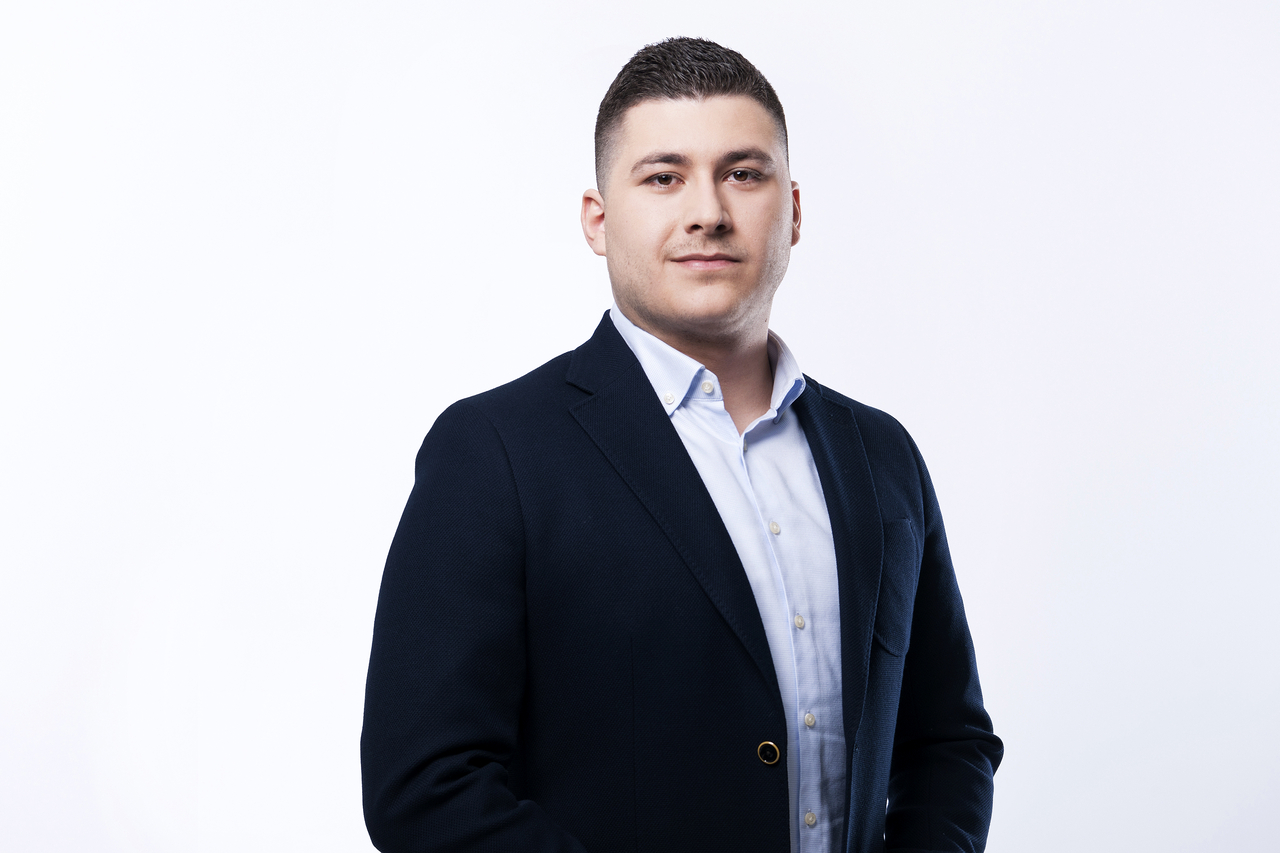
The biggest challenge Bankfrick faced when launching its digital asset business was not technology development but integrating the new operations with existing banking functions. The bank had to weave digital asset trading, custody, wallet management and payment and settlement procedures into its existing know-your-customer and anti-money-laundering frameworks.
"Blockchain increases transaction transparency, but a wallet address alone is not enough to verify a bank customer's identity," Stoyanov said. "The traditional banking role of identifying customers, tracing the source of funds and knowing counterparties remains just as important." He added that blockchain banking should not be run as a system separate from conventional banking operations.
Bankfrick holds customer digital assets in segregated storage and executes trades through regulated brokers. Any transfer to an external wallet undergoes a separate review process. Given that blockchain transactions are difficult to reverse once executed, the bank places heavy emphasis on pre-emptive risk management.
The loss or theft of private keys is another risk that banks must now contend with. Bankfrick addresses this by combining technical controls with traditional internal banking oversight and human judgment. "The risks of digital assets have to be viewed through the lens of a different environment and pace than traditional banking," Marxer said.
Building expertise across the entire organization is also an ongoing challenge. Compliance staff need to understand blockchain transactions, while technology staff need to grasp banking regulations and operational structures. Blockchain analytics tools alone are not sufficient to fully assess a customer's business activities.
"It is not enough to hire specialists in each field separately," Stoyanov said. "Digital asset expertise needs to be embedded across multiple functions and departments."
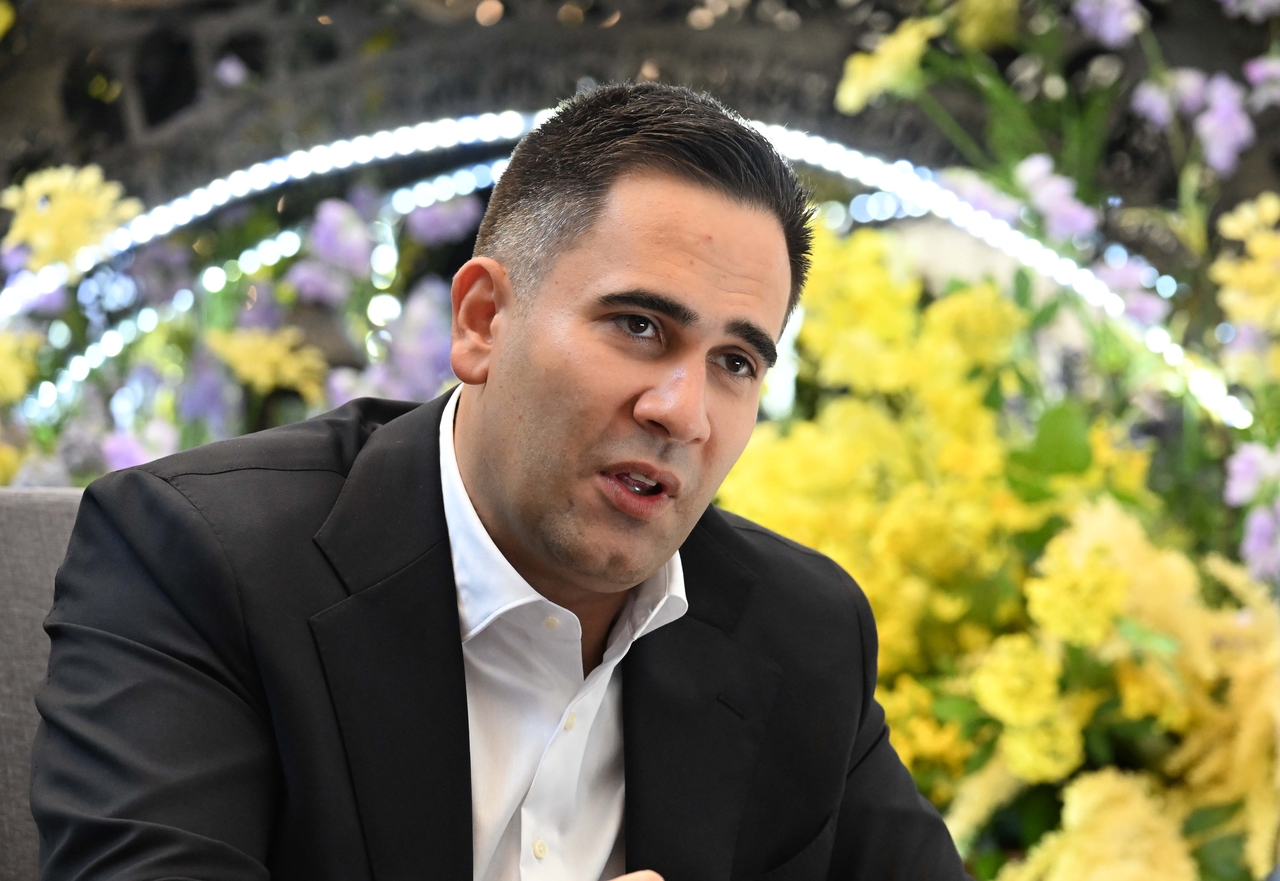
Bankfrick's blockchain banking business is expanding beyond trading and custody into payments and liquidity management. The division's sales rose 20.4 percent last year from the year before. While trading volumes fluctuate with market conditions, the bank says corporate demand for professional banking services has remained steady.
"In 2017, customers were mainly interested in opening bank accounts to move money in and out," Stoyanov said. "This year they are asking for a much wider range of services — custody, staking, payments and liquidity management." As institutional participation in digital asset markets deepens, demand for the underlying infrastructure is becoming increasingly specialized.
Bankfrick supports seven-day-a-week fiat currency transfers through its own payment network, xPULSE, regardless of the cut-off times of conventional banks. Global digital asset firms including Kraken, OKX, Bitstamp and Circle participate in the network.
The bank also offers payment automation for corporate customers. It connects banking systems with corporate networks via application programming interfaces and automatically categorizes incoming payments using virtual bank account numbers. Digital asset companies such as exchanges can reduce the manual work involved in confirming deposits and improve settlement efficiency.
"For digital asset companies, how quickly they can secure fiat liquidity is a genuine competitive advantage," Stoyanov said, predicting that round-the-clock banking infrastructure is not far off.
Traditional banking functions are expected to remain relevant in tokenization as well. Even when equities and bonds are placed on a blockchain, the financial processes required for issuance, subscription, interest payments, custody and redemption remain.
"Many tokenization projects do not give sufficient thought to the traditional financial operations that surround the token," Stoyanov said. "Delivery versus payment — where assets and cash move simultaneously — requires legal certainty, interoperability between systems and liquidity." He also predicted that infrastructure connecting multiple financial services, rather than standalone custody or payment products, will become a more sustainable source of revenue for banks.
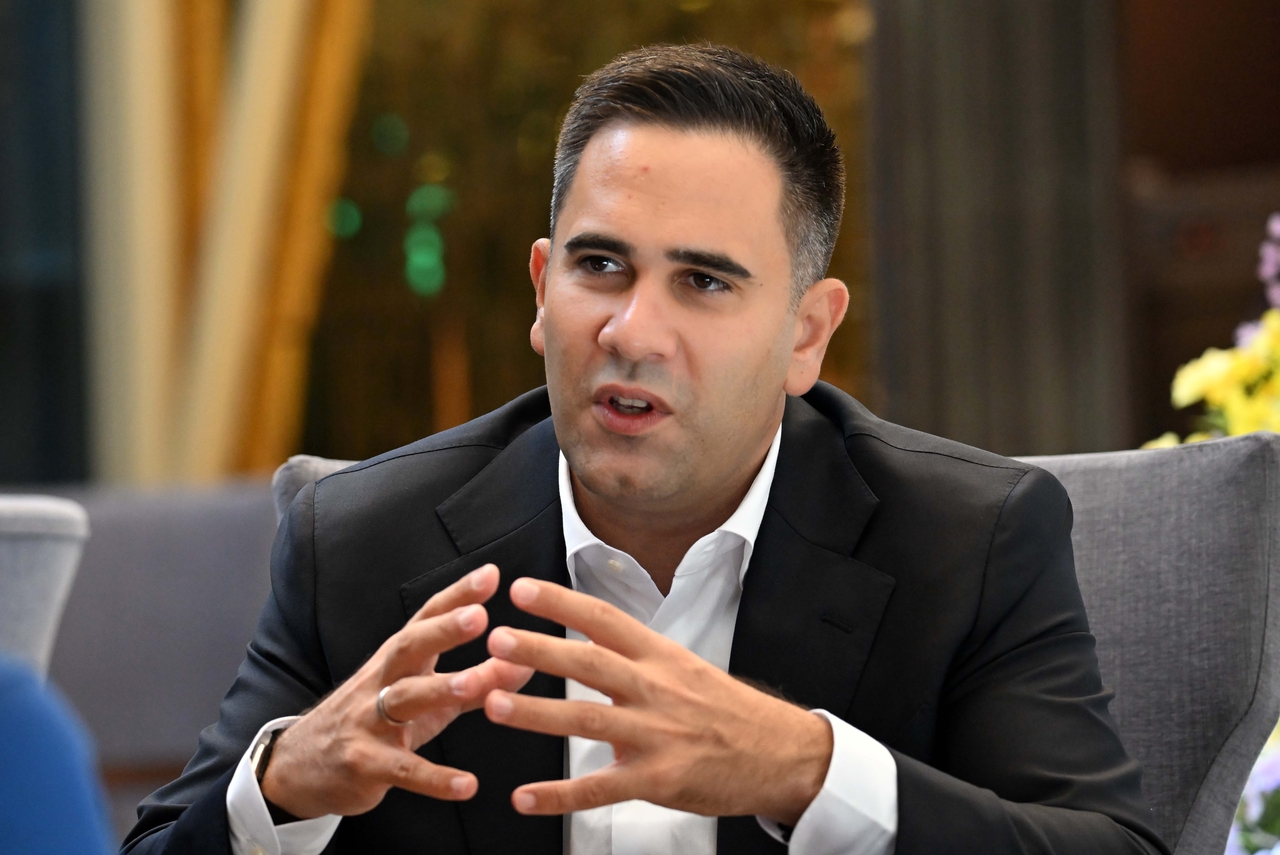
Bankfrick assessed that Korean financial institutions and companies have the technical capabilities to pursue digital asset businesses — a conclusion drawn from meetings with domestic financial firms and digital asset companies during the visit to Seoul.
"The companies we met in Korea were looking for new business opportunities while respecting government guidelines and existing regulations," Stoyanov said. "The common sentiment was that they are ready to move once a regulatory framework is in place."
Korea's overlapping legal landscape — spanning the Banking Act, the Act on Reporting and Using Specified Financial Transaction Information and the Virtual Asset User Protection Act — means financial institutions must examine which regulations apply to each product they plan to launch. "Tokenizing an asset does not automatically change its legal character," Marxer said. "You need to first identify what asset you are dealing with and what service you are providing, and then determine which regulations apply."
The two also urged companies to consider the concrete benefits that customers actually receive when designing a business. "No matter how fast a token moves, if users have to go through 15 complicated steps during payment and settlement, what does that mean for them?" Stoyanov said. "The competitiveness of a digital asset business depends on the financial infrastructure supporting the technology and the convenience it offers to financial consumers."
Looking further ahead, the two predicted that the boundary between traditional banking and blockchain banking will blur over the next five to 10 years. "What matters to customers is the stability, reliability and usefulness of a service," Marxer said. "Digital assets will become ever more deeply integrated into the banking services that people use every day."

kyoung@heraldcorp.com