'Nareul Chatneun Maeum Yeohaeng,' a social-emotional learning program for young children, developed jointly with UNICEF Korea
Play-centered curriculum covering emotional awareness, empathy and relationship skills — 12 sessions in total
To be distributed to 100 Seoul daycare centers, with home-linked activities for families
As AI and digital technology become part of everyday life, a new educational program has been developed to help young children understand their own emotions and build empathy through play.
The Seoul Foundation of Women and Family announced Wednesday that it has jointly developed a social-emotional learning program for young children with UNICEF Korea and will distribute it to 100 daycare centers across Seoul.
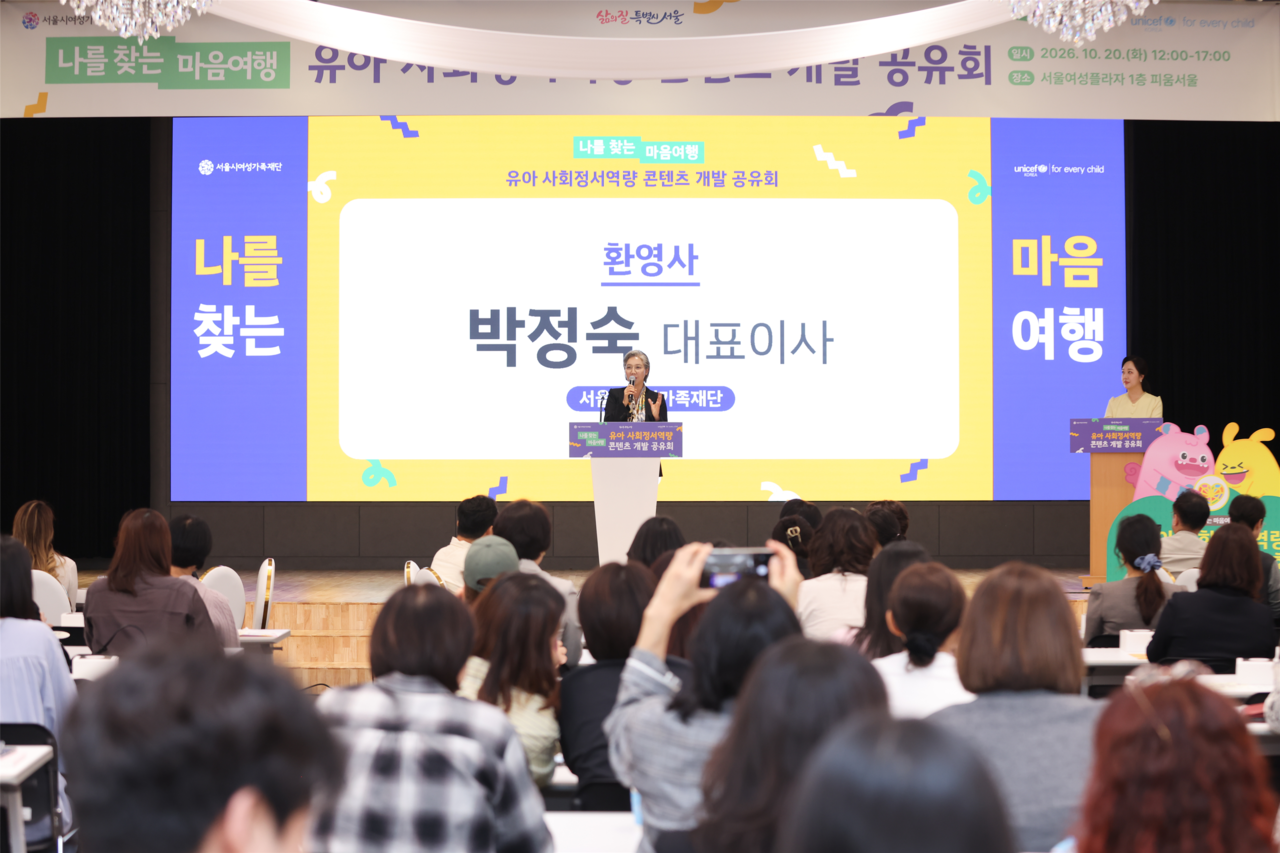
The two organizations held a public showcase Tuesday at Pium Seoul on the first floor of Seoul Women's Plaza, presenting the results of the program's development and sharing pilot operation cases from participating daycare centers.
The project was carried out under an MOU the two organizations signed in March to promote a child rights-centered care culture and strengthen children's future competencies. It focuses on providing practical educational materials for use in childcare settings, helping young children develop from an early age the ability to understand and express emotions, empathize with others and build healthy relationships.
The program, titled Nareul Chatneun Maeum Yeohaeng, consists of 12 sessions across three stages. Built around an original picture book, it packages a teacher's guidebook, activity materials, a child activity workbook and home-linked activity sheets into a single set.
A key feature is that teachers can incorporate social-emotional learning into everyday play and hands-on experiences, while families can continue related activities at home. The approach links daycare centers and households to support children's emotional expression and empathy development together.
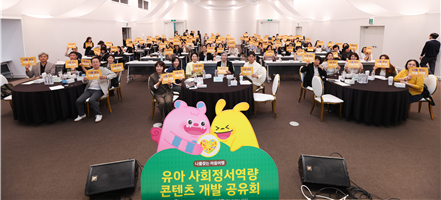
About 150 childcare workers and caregivers attended the showcase. Lee Ho-seon, a professor at Soongsil Cyber University, delivered a special lecture on nurturing children's emotional resilience in the AI age.
Lee said the ability to understand emotions, empathize and form relationships is critical for healthy child development in a rapidly changing future, and stressed the role of caregivers in supporting those skills.
Teachers from three daycare centers that participated in the pilot program then presented real-world activity cases and operational experiences. Representatives from both organizations also introduced the program's development goals, key components and methods for field use.
A hands-on experience area was set up at the venue where attendees could examine the educational materials in person. A content experience zone featured step-by-step activity materials, the picture book and the teacher's guidebook. A care content exhibition zone showcased a board game for young children, a touch-screen kiosk-based e-book titled "Seoul Mirae Ai 365," and UNICEF's early childhood rights education materials.
The Seoul Foundation of Women and Family and UNICEF Korea plan to distribute the program package to 100 pre-registered daycare centers and support its use in the field. Going forward, they intend to share operational experiences and best practices from participating centers so that social-emotional learning can take place not only during dedicated education sessions but also through everyday play and caregiving.
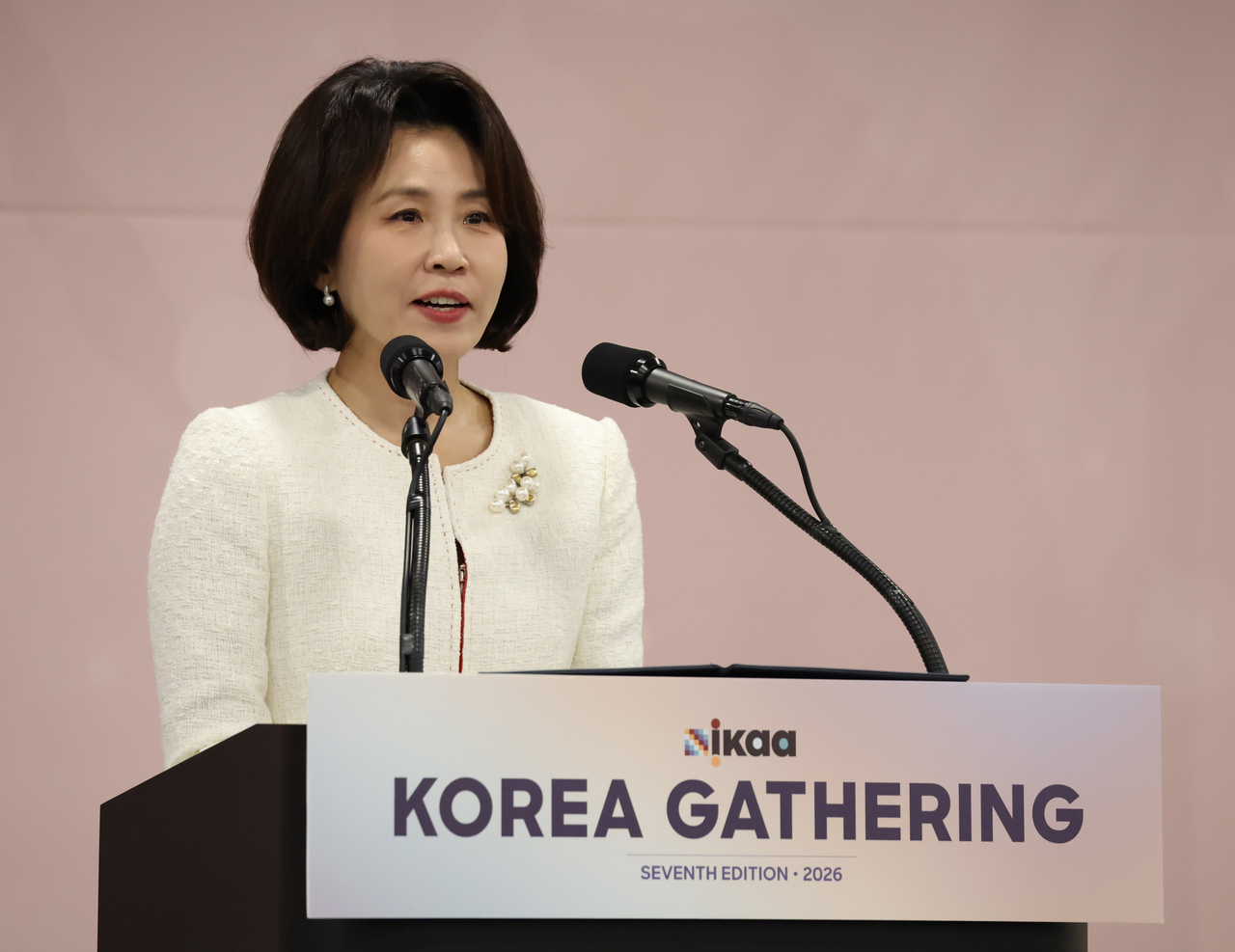
"In the AI age, it is more important than ever for children to understand their own emotions, empathize with others and build healthy relationships," said Park Jeong-suk, chief executive of the Seoul Foundation of Women and Family. "We will actively support the use of Nareul Chatneun Maeum Yeohaeng — developed together with UNICEF Korea — as a practical tool for nurturing children's emotional well-being in daycare centers and at home."
7toy7@heraldcorp.com