Rerouting and ship-to-ship transfers under US air cover blunt Iran's 'ultimate weapon'
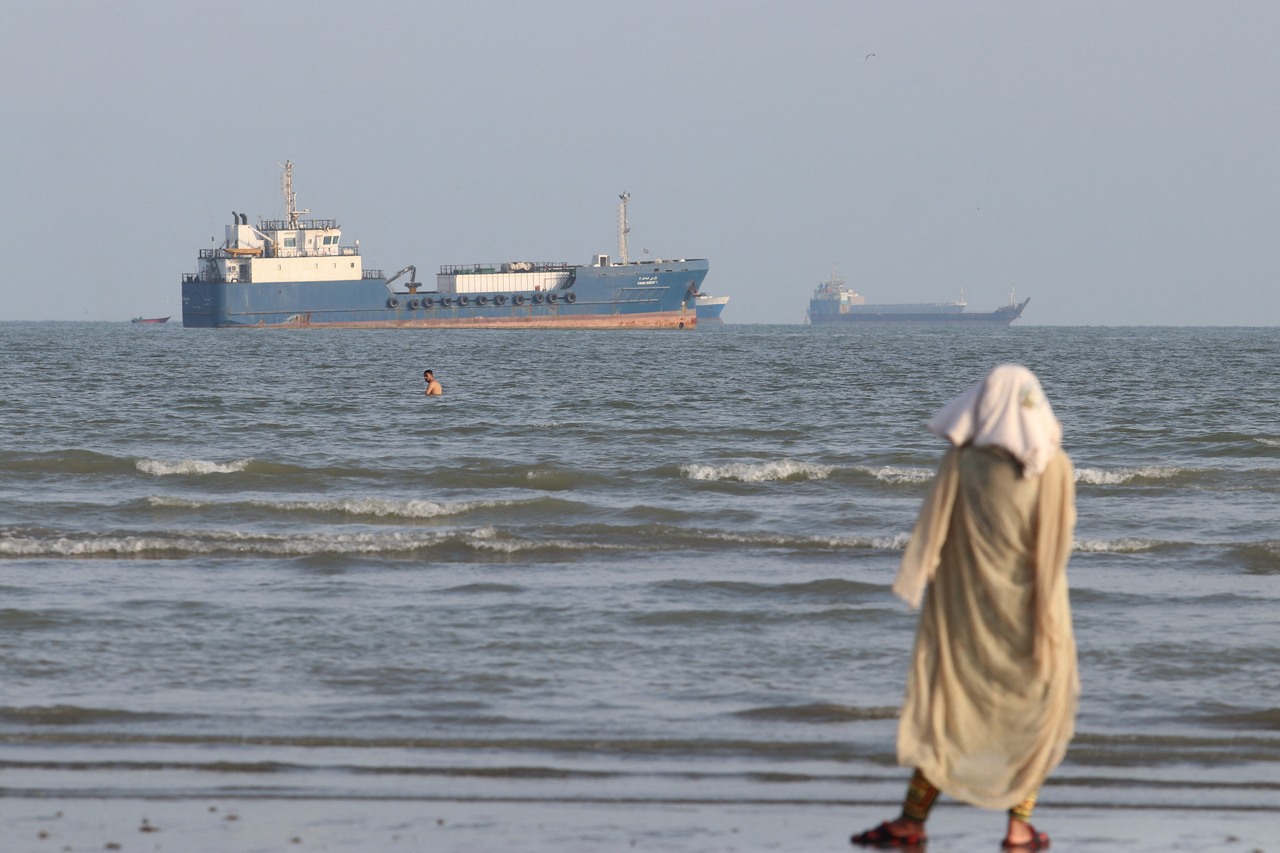
Middle East crude exports have surpassed prewar levels despite Iran's ongoing blockade of the Strait of Hormuz, with analysts saying Tehran's most powerful leverage is losing its bite.
The Wall Street Journal reported Tuesday (local time), citing data from shipping tracker Kpler, that Middle East crude shipments exceeded an average of 24 million barrels per day in the week through Sunday — up from 23.3 million barrels per day before the war broke out.
The figures combine volumes shipped through the Strait of Hormuz with those exported via alternative routes. Saudi Arabia and the UAE have sharply increased pipeline-based shipments that bypass the strait since the blockade began.
Kpler estimated that roughly 40 percent of Gulf crude exports — excluding Iran — bypassed the Strait of Hormuz last month. A method known as "shuttle voyaging" has also gained wide use: tankers load crude inside the Persian Gulf, pass through the strait, transfer their cargo to long-haul vessels near Oman, and return to the Gulf. The tankers switch off their tracking signals while transiting the high-risk stretch before handing off the oil near Oman.
Shuttle voyaging is expensive because it carries a risk premium, but the profit margins are high enough to make it worthwhile. According to Kpler, Iraqi crude can be resold for $20 more per barrel than before the war, generating about $40 million in additional revenue per very large crude carrier. Just three shuttle runs are enough to recoup the $100 million cost of a secondhand tanker.
Crew members taking part in shuttle voyages also receive hazard pay. One Chinese maritime staffing agency offered up to $25,000 for a single round trip lasting one to two weeks. Saudi Arabia has actively promoted shuttle voyaging as a policy alternative since Houthi rebels blocked the Red Sea and Iraqi militants attacked the East-West Pipeline.
US military air cover along a corridor hugging the Omani coast has also helped sustain the flow of crude through the strait. Kpler said these combined factors have pushed volumes transiting the Strait of Hormuz to roughly 14 million barrels per day on average — about 82 percent of prewar levels.
Iran still insists the strait is closed and continues to attack vessels heading toward the Omani route or sailing with their transponders off. Even so, the combination of US air cover, pipeline rerouting and offshore ship-to-ship transfers has established a new logistics framework that keeps oil moving.
"A fairly established system for moving oil through the dangerous Strait of Hormuz has taken shape, and exporters have shown a greater willingness to accept the risks," said Hamad Hussain, a senior commodities economist at Capital Economics.
As the Hormuz blockade — once Iran's most potent weapon — loses its effectiveness, Tehran's negotiating leverage with the United States is also eroding, analysts say. Hussain said Iran "would need to be significantly more aggressive than it currently is" to reassert the same level of control over regional oil flows it once held.
kate01@heraldcorp.com