Analysis by Rep. Choi Su-jin's office; EU and Japan received 15% tariff rate from August–September, while South Korea faced 25% for three months; US Congressional Research Service report cites failure to finalize details
South Korea's automobile exports hit a record high last year, but strip out used vehicles and the figure actually fell — while exports to the United States dropped more than 13%. Korean-made cars also bore a 25% US tariff for three months longer than their European and Japanese rivals, as the two sides failed to finalize the terms of a promised rate cut. The US Congressional Research Service confirmed that the agreed 15% tariff never took effect during that period because the two governments had not locked down the details.
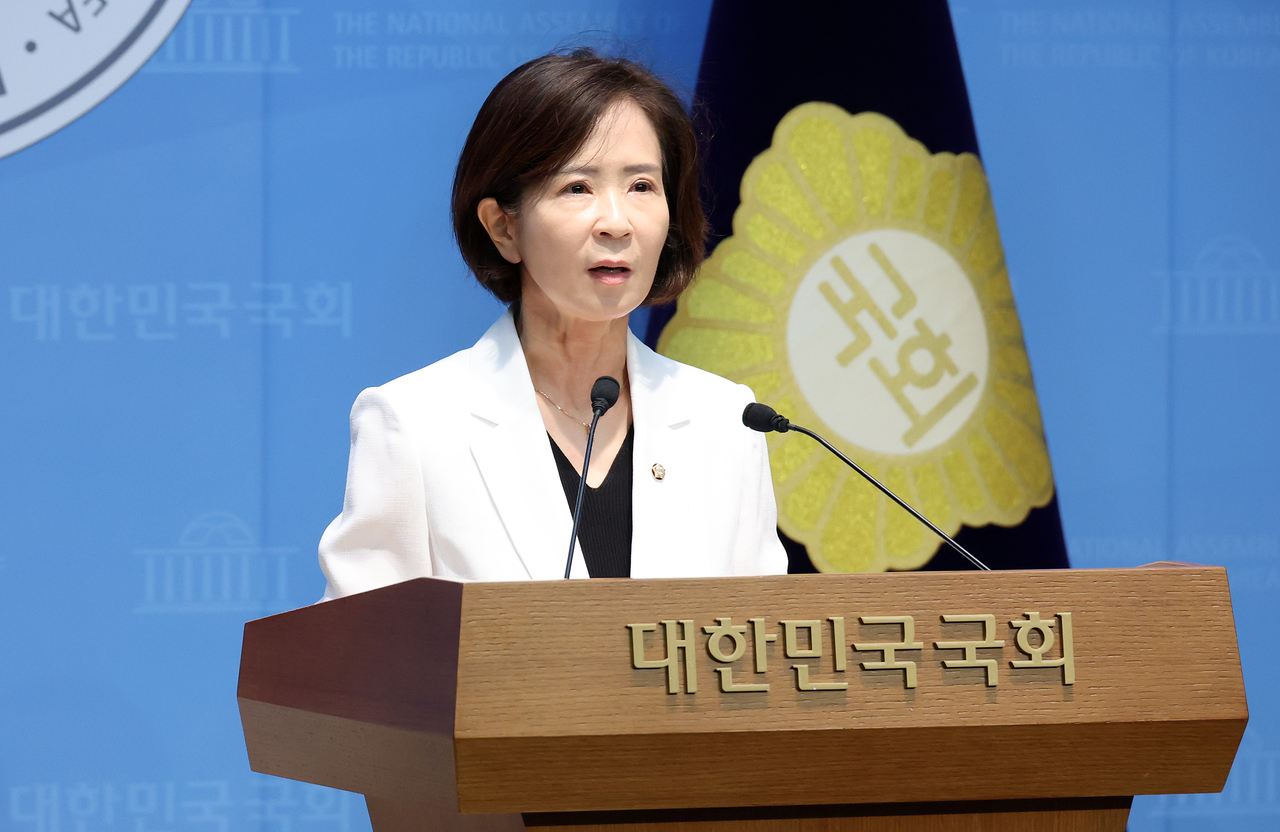
According to People Power Party lawmaker Choi Su-jin, total automobile exports last year reached $72 billion, up about $1.2 billion from $70.79 billion the year before. But when used cars are excluded, exports fell roughly 4%, from $65.7 billion to $63.1 billion.
Used-car exports jumped 75% last year to $8.87 billion, from $5.07 billion the previous year — a gain of $3.8 billion that alone exceeded the overall increase in auto exports. The used-car boom drove the headline record, but the underlying new-vehicle export picture was one of decline.
Exports to the United States were also weak. South Korea's auto exports to the US fell 13.2% last year to $30.2 billion, from $34.7 billion the year before. The total number of vehicles exported dropped 1.7%, and auto parts exports declined 5.9%.
Choi attributed the weak US export performance to South Korea receiving its tariff reduction later than competing countries. Although Seoul and Washington agreed to cut the auto tariff from 25% to 15%, delays in finalizing the details meant Korean cars faced the full 25% rate from August through October last year. The 15% rate did not take effect until November — leaving Korean automakers, who had previously enjoyed zero tariffs under the Korea-US Free Trade Agreement, paying the higher rate for months.
A Congressional Research Service report (IN12603, "The August 2025 US-South Korea Summit," published Sept. 3, 2025) documented the situation. The report said the two governments had not issued a joint document because they had not finished working out the details of the July trade and investment agreement. "In practice, the 15% automobile tariff has not been implemented and 25% remains in effect," it stated.
A revised CRS report (IN12569), issued Sept. 8 of the same year, similarly suggested that the governments' failure to publish the agreement's details may have stemmed from their inability to finalize specifics — including the 15% auto tariff. That report also noted the tariff reduction had yet to take effect.
The contrast with competing exporters was stark. According to Choi's office, EU-made cars began receiving the reduced tariff on Aug. 1 last year, and Japanese cars from Sept. 16. Korean cars did not get the 15% rate until Nov. 1 — meaning they faced a tariff burden 10 percentage points higher than rivals for that stretch.
Choi noted that the EU submitted relevant legislation on Aug. 28 last year — just one month after the agreement — and secured retroactive application to Aug. 1, while South Korea missed out on the reduced rate for August through October due to delayed finalization of the negotiation details. President Lee Jae-myung had emphasized during US trade talks that Korean goods should face tariffs no higher than those of competing countries, but the actual timing of implementation told a different story, Choi said.
"While the presidential office and the ruling party dressed up a hollow verbal agreement as an achievement — blaming delays in National Assembly legislation — Korean companies were hit with hundreds of billions of won in extra tariff costs and saw their US exports fall more than 13%," Choi said.
oskymoon@heraldcorp.com