2,072 of 15,787 selected over 5 years dropped out
76.6% of those who quit listed 'personal reasons'
Lawmaker Kim calls for focus on settlement, not just recruitment
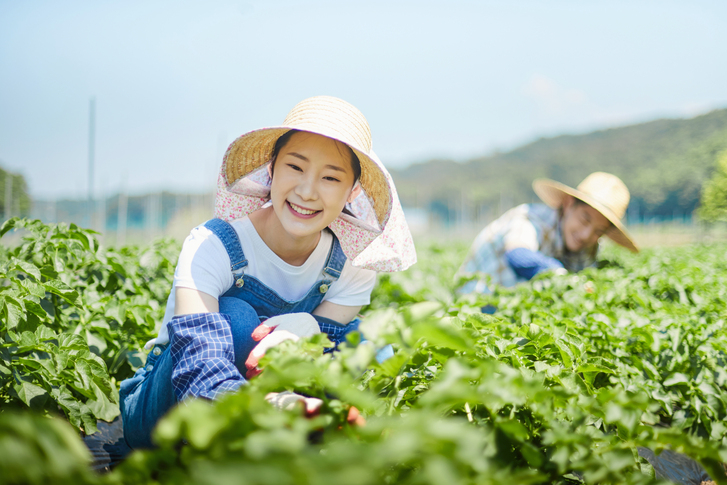
About one in seven young people selected for the government's young farmer development program never started farming or quit midway, according to data released Thursday. Most dropouts were classified under "personal reasons," leaving authorities unable to identify the actual causes.
The data, submitted to Democratic Party of Korea lawmaker Kim Sung-bum of the National Assembly's Agriculture, Food, Rural Affairs, Oceans and Fisheries Committee by the Ministry of Agriculture, Food and Rural Affairs, showed that 15,787 people were selected for the Young Farmer Settlement Support Program between 2021 and 2025.
Of those, 1,598 (10.1 percent) never began farming within the required period, while 474 (3.0 percent) started but later quit. In total, 2,072 people — 13.1 percent of all those selected — either failed to enter farming or dropped out along the way.
The non-start rate rose sharply after 2023, when the program began selecting more participants. It stood at 3.9 percent in 2021 and 3.0 percent in 2022, then jumped to 10.0 percent in 2023. It climbed further to 14.3 percent in 2024 and remained at 11.8 percent last year.
Management of dropout causes has also been inadequate. Of the 474 people who quit farming over the past five years, 363 — or 76.6 percent — were classified under "personal reasons."
By contrast, only four people cited insufficient income as their reason for quitting. Not a single case was recorded under debt, financial difficulties or problems with sales channels.
Critics say that lumping most dropouts under "personal reasons" makes it nearly impossible to identify the real pressures young farmers face — whether income shortfalls, management burdens or difficulties securing farmland and facilities. Without knowing why people quit, they argue, there is no basis for improving support policy.
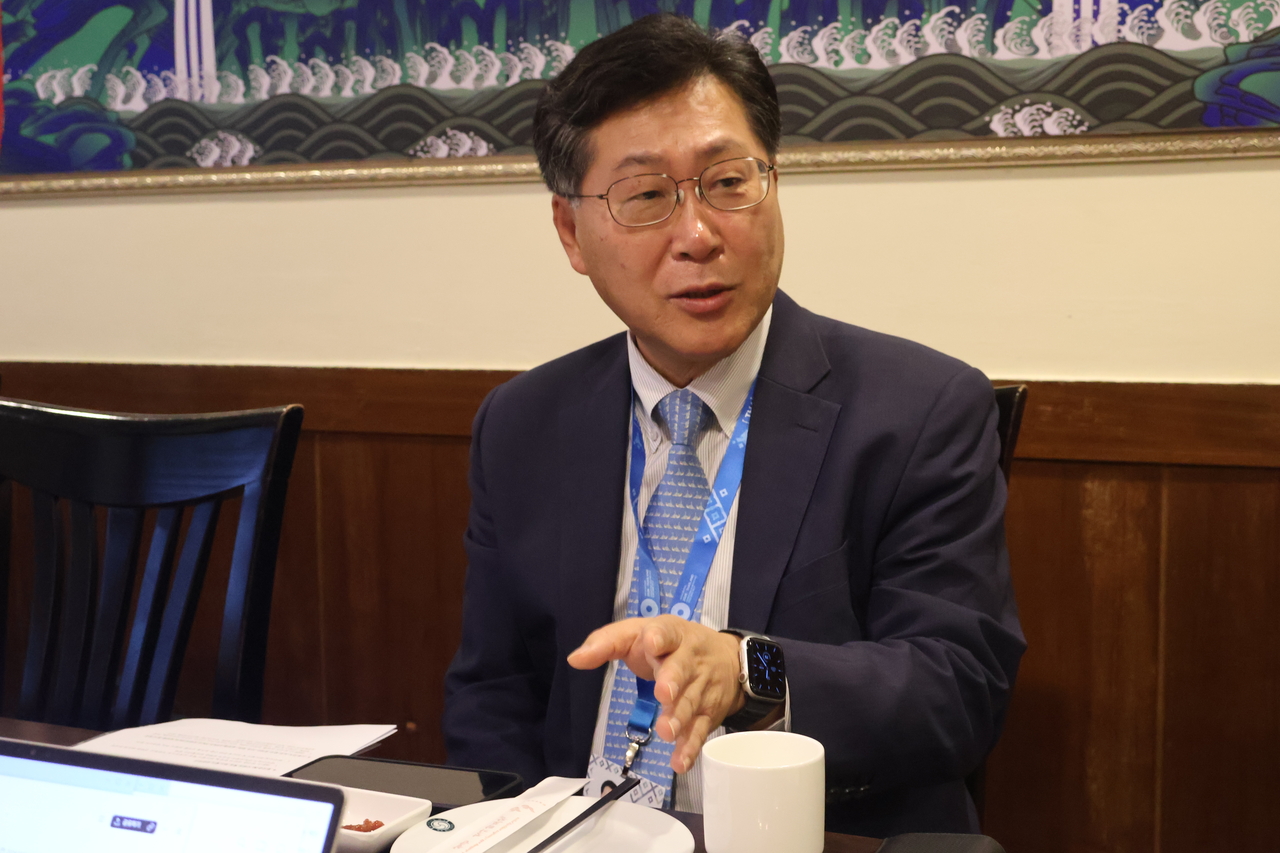
Kim said the program's success should be measured not by how many people are selected but by how many actually settle into farming and grow as agricultural operators. He said the government should continuously monitor farm income and management conditions after participants begin farming and provide support tailored to each stage of development.
"Developing young farmers cannot end simply with increasing the number selected," Kim said. "We must strengthen systematic management and step-by-step support — from entry into farming through to settlement — so that young farmers can become financially independent through farm income and grow into competitive agricultural businesses."
adastra@heraldcorp.com