Gangnam-gu average hits 970,000 won, highest among Seoul districts
Gwanak-gu surges 30% in a month on new construction deals
Jeonse deposit falls 1.1% to 219.91 million won
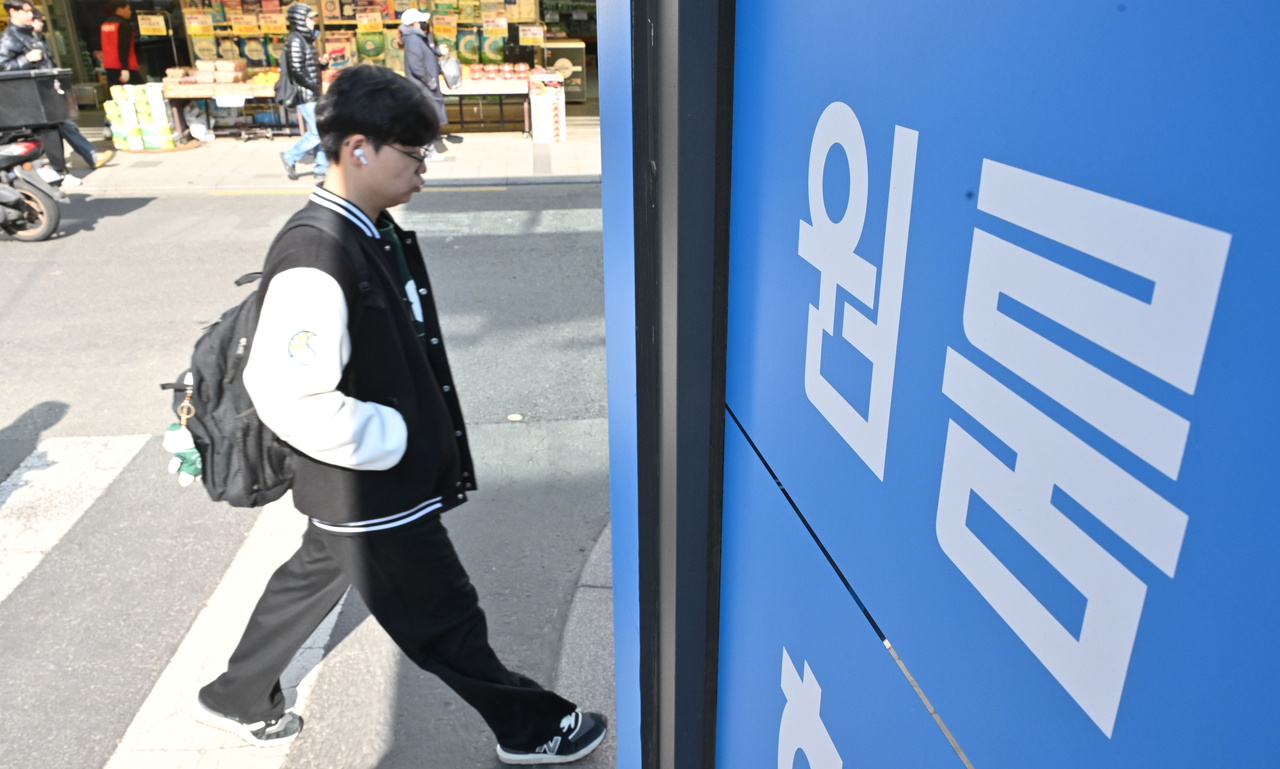
Monthly rent for studio apartments in Seoul surpassed 710,000 won ($536) last month.
Real estate information platform Dabang said Thursday that the average monthly rent for studio units — defined as apartments in row houses or multi-family buildings with an exclusive use area of 33 square meters or less — reached 710,000 won in September, based on a deposit of 10 million won ($7,540), up 5.2 percent, or 35,000 won, from the previous month. The survey covered transactions with deposits below 100 million won for the monthly rent figures, and all transactions for jeonse deposit figures.
By district, Gangnam-gu posted the highest rents in the city, at 138 percent of the Seoul average. The index uses the city average as the baseline of 100, with figures above that level indicating above-average rents. Gangnam-gu's average monthly rent rose 10.8 percent from the previous month to 970,000 won, the highest among Seoul's districts.
Eleven districts in total exceeded the Seoul average: Yongsan-gu (126 percent), Gwanak-gu (123 percent), Seongdong-gu (117 percent), Gwangjin-gu (112 percent), Seocho-gu (109 percent), Mapo-gu and Jung-gu (108 percent each), Gangseo-gu and Geumcheon-gu (106 percent each), and Dongjak-gu (102 percent).
Gwanak-gu stood out, with average monthly rent jumping 30 percent in a single month, driven by transactions involving newly built studio units that pulled the average higher. Yongsan-gu, by contrast, fell 23.1 percent.
The average jeonse deposit for Seoul studio apartments last month came in at 219.91 million won ($166,000), down 2.37 million won, or 1.1 percent, from the previous month. Gangnam-gu also led on the jeonse side at 131 percent of the Seoul average, followed by Seocho-gu (123 percent), Gwangjin-gu (109 percent), Mapo-gu (108 percent), Yongsan-gu (106 percent), Yeongdeungpo-gu (103 percent) and Dongjak-gu (100 percent).
The high cost of housing is also slowing young people's move toward residential independence. According to a report published in August by the Korea Employment Information Service, the share of young people who are economically independent rose 9.5 percentage points to 75.4 percent in 2024 from 65.9 percent in 2021, while the share living independently rose only 4 percentage points, to 30.4 percent from 26.4 percent over the same period.
"While economic independence is being achieved relatively quickly through entry into the labor market and income generation, residential independence is progressing more slowly due to the heavy burden of housing costs," the report's researchers said.
lucky@heraldcorp.com