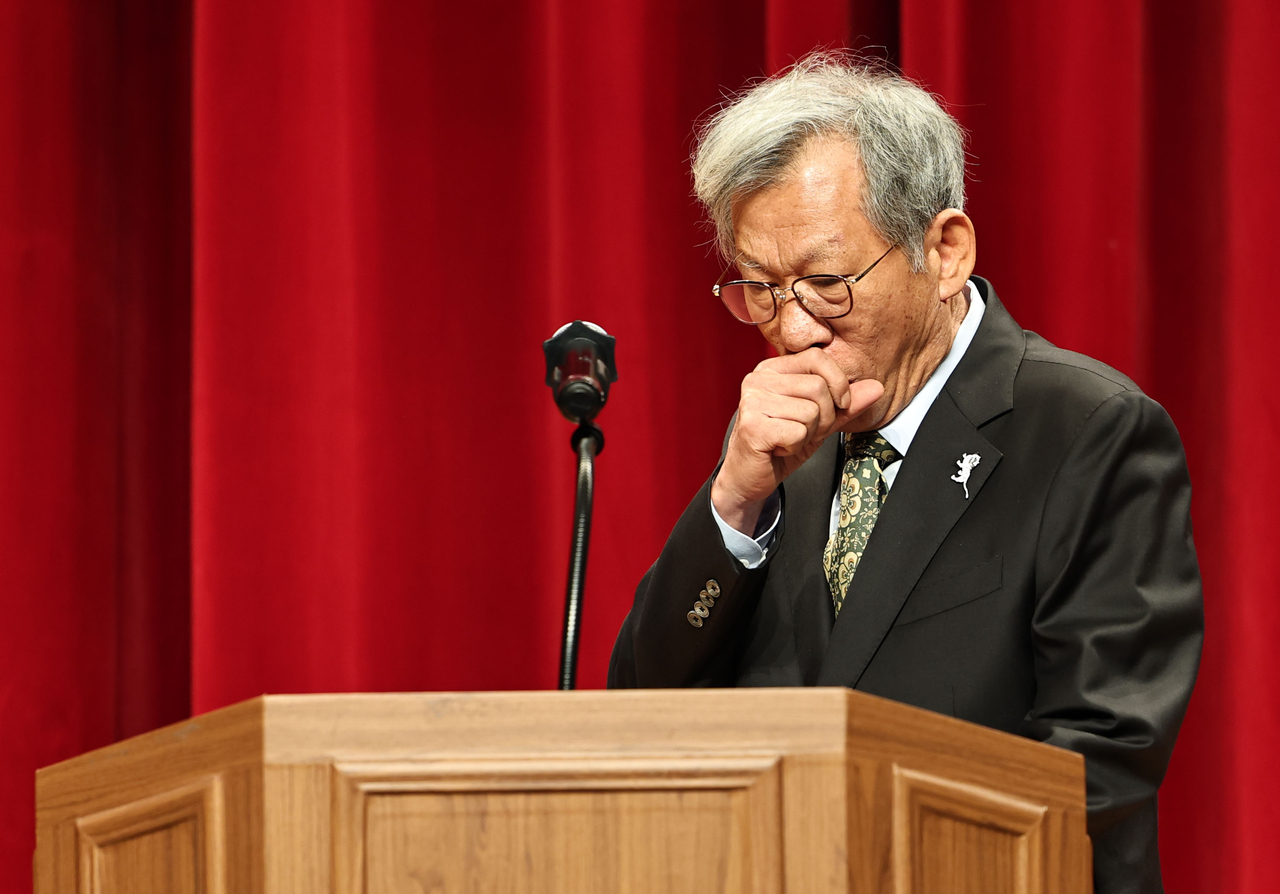
National Museum of Korea Director Yu Hong-june concluded his final official duties and stepped down Thursday amid controversy surrounding a piece from his private collection.
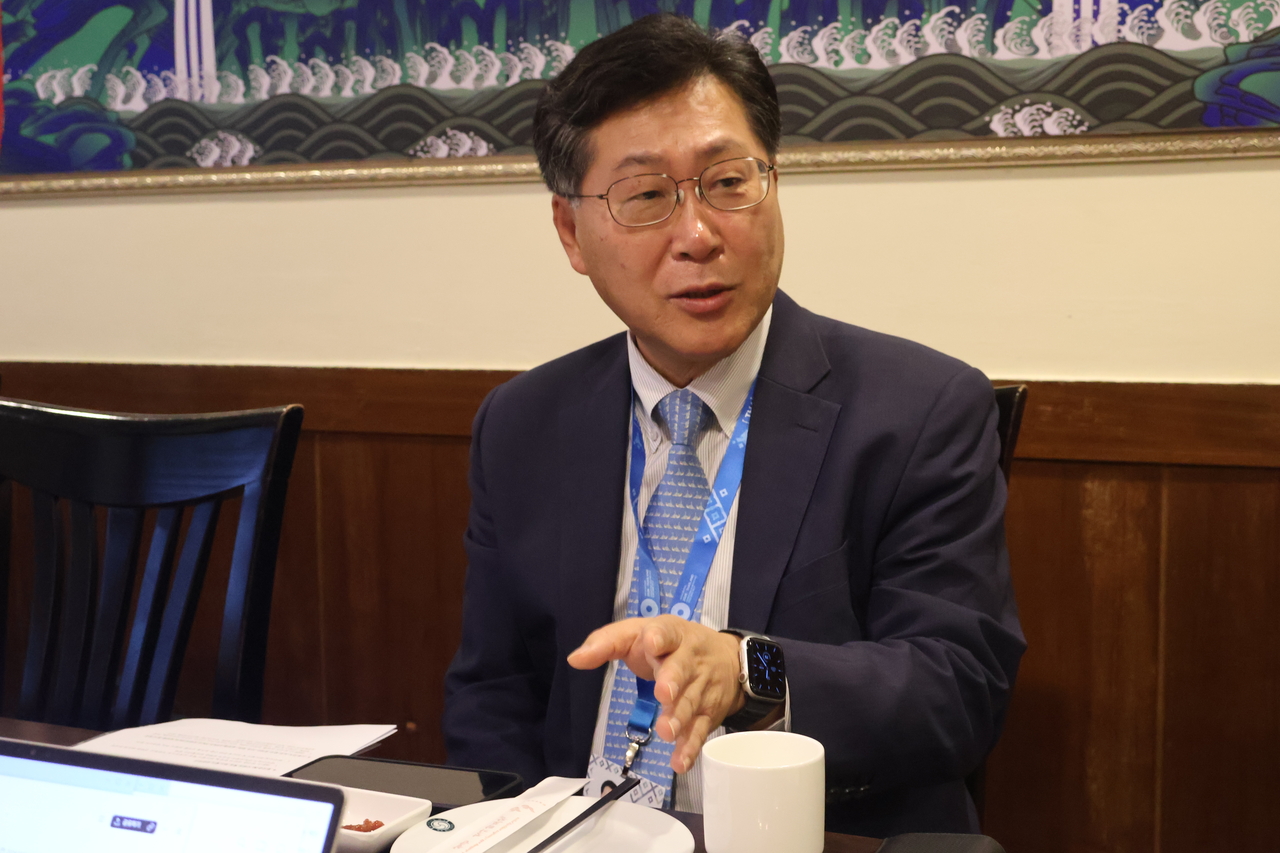
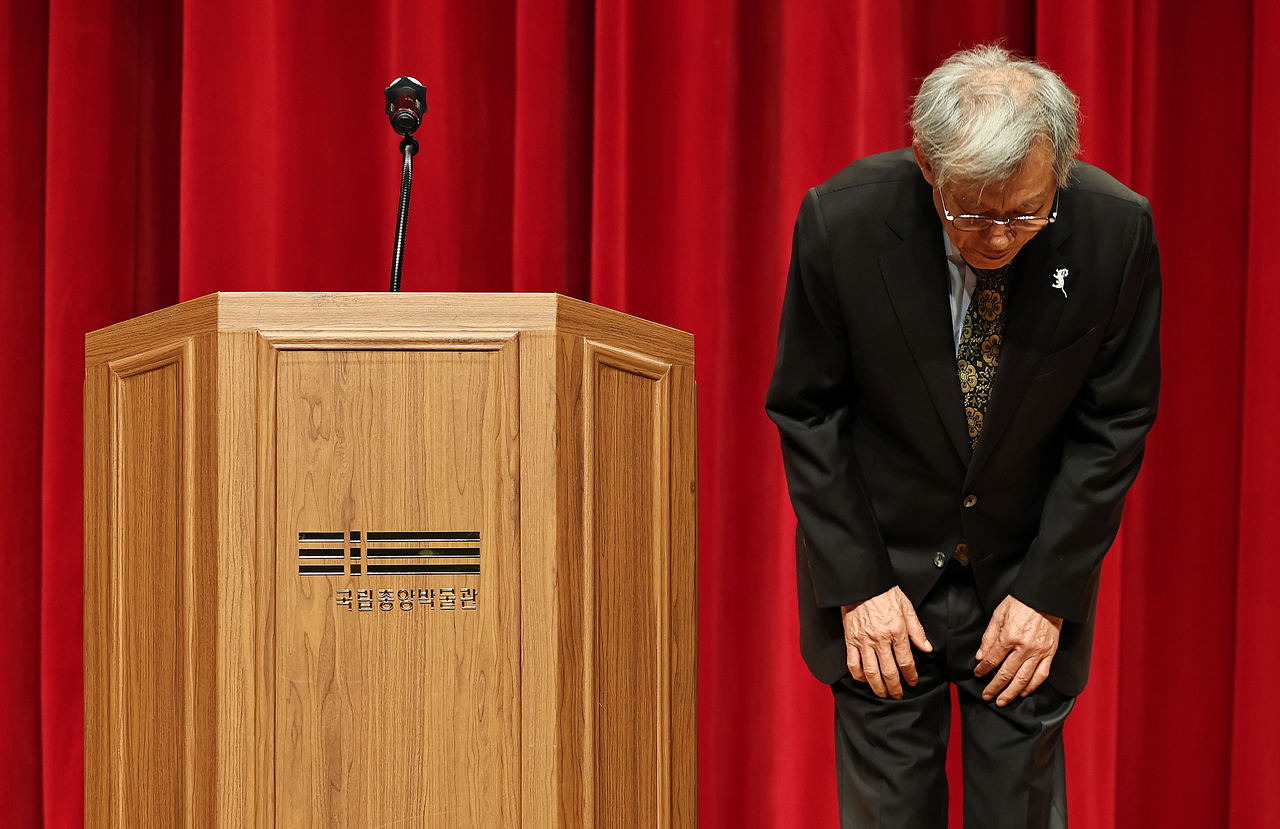
Yu apologized for a personal mistake at the museum in Yongsan-gu, Seoul, saying "it is time to part ways," Yonhap reported.
"I can still vividly picture the crowds of visitors that filled the museum when I first arrived for work as director on an unusually hot summer day on July 21 last year," Yu said. "Attendance rose 50 percent compared to previous years, reaching 6.5 million visitors annually and ranking third in the world — a moment that still fills my heart."
"I felt a deep sense of mission to develop this place further — as the heart of our history and culture, and as a complex cultural space that showcases the roots of K-culture — but that also weighed heavily on me," he said. "I feel only regret and sorrow. Even after leaving the museum, I intend to do everything I can to support the various projects it has been pursuing."
"Though I had every intention of visiting the regional museums under our umbrella more often, I was unable to do so as frequently as I would have liked," he said. "I leave carrying the guilt of my own mistake, along with pride and love for this museum."
Yu also revisited a passage from Russian literary giant Leo Tolstoy's novel "Resurrection."
During a recent national audit, he had quoted Tolstoy as writing in "Resurrection" that love and pride become memories with the passage of time, while mistakes and guilt remain in the present tense.
"I leave the museum carrying both of the things Tolstoy spoke of," Yu said.
It is the first time in the museum's more than 80-year history that a director has resigned over a personal matter, Yonhap reported.
Yu Hong-june: 'I am ashamed and deeply remorseful'
The artifact at the center of the controversy is a piece of calligraphy bearing the inscription "Ilban sigugeum" — meaning "even a single bowl of rice is entirely the grace of the nation" — which was featured in a special exhibition titled "Our Table" that opened at the National Museum of Korea in July.
The museum had initially attributed the calligraphy to independence activist Park Won-geun (1912–1950), but later concluded, following a tip from outside the institution, that it was the work of Park Jung-yang (1874–1959), a figure designated as a pro-Japanese collaborator.
It then emerged that Yu had purchased the piece through an online auction in 2019 for 50,000 won ($38) and recommended it for inclusion in the exhibition roughly two months before it opened, triggering a wider backlash.
At the national audit on Monday, Yu responded to a question from People Power Party lawmaker Kim Seung-su about whether the calligraphy had ever been appraised by saying, "I was confident in my own judgment as someone who majored in the history of calligraphy."
When fellow PPP lawmaker Yun Yong-geun asked what verification process had been followed before the piece was put on display, Yu corrected himself, saying his assessment had been based on his personal expertise as a specialist in the history of painting and calligraphy.
"The reason I did not disclose that the 'Ilban sigugeum' calligraphy was from my own collection was that I did not want it to appear as personal self-promotion," Yu said. "After it was later identified as the work of Park Jung-yang, I felt ashamed as an art historian. I am ashamed and deeply remorseful."
President Lee Jae Myung accepted Yu's resignation on Wednesday.
yul@heraldcorp.com