Applications rose from 346 vessels in 2023 to 753 in 2025, yet only 237 were actually decommissioned
South Jeolla Province's decommissioning rate falls to 22.6%, well below the national average; demand stands at 27.8 billion won against 7.6 billion won in support
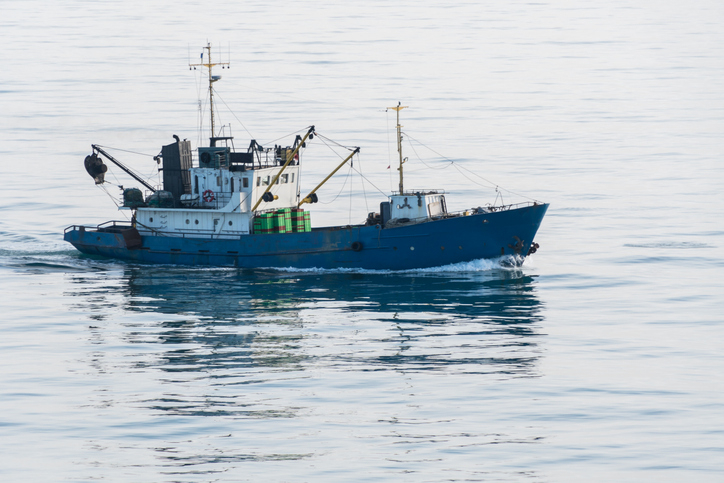
The number of coastal fishing vessels applying to the government's decommissioning program has more than doubled in two years, yet only 31.5 percent of applicants actually had their vessels decommissioned, according to data presented at a parliamentary audit. South Jeolla Province fared even worse, with roughly two in 10 applicant vessels selected — prompting calls for budget increases and a fairer regional allocation of program slots.
Moon Geum-ju, a Democratic Party of Korea lawmaker on the National Assembly's Agriculture, Food, Rural Affairs, Oceans and Fisheries Committee, raised the gap between applications and actual decommissioning results during a national audit of the Ministry of Oceans and Fisheries on Friday.
The ministry runs a voluntary decommissioning program for coastal, zoned and set-net fishing vessels to address declining fishery resources and improve operating conditions for fishing households.
Applications climbed from 346 vessels in 2023 to 492 in 2024 and 753 in 2025 — an increase of 407 vessels over two years, representing a 117.6 percent rise.
Actual decommissioning figures, however, remained largely flat: 209 vessels in 2023, 192 in 2024 and 237 in 2025. The share of applicants whose vessels were actually decommissioned fell from 60.4 percent in 2023 to 31.5 percent in 2025, a drop of 28.9 percentage points. While applications more than doubled, the number of vessels actually decommissioned grew by only 13.4 percent.
Regional disparities were also stark. In South Gyeongsang Province, 331 vessels applied last year but only 103 were decommissioned, a rate of 31.1 percent. South Jeolla Province recorded a rate of 22.6 percent — 35 out of 155 applicants — while South Chungcheong Province came in at 23.6 percent, with 26 out of 110. All three fell below the national average of 31.5 percent.
By contrast, Busan recorded a rate of 62.5 percent, Ulsan 100 percent and Jeju 83.3 percent.
South Jeolla Province also faces a significant funding shortfall. Demand for coastal vessel decommissioning in the South Jeolla and Gwangju region this year stands at 27.8 billion won ($21 million), but the support allocated covers only 7.6 billion won — just 27.3 percent of the need.
The region accounts for 29 percent of the nation's coastal fleet, with 10,601 registered vessels, yet its share of national government funding this year amounts to only 11 percent — less than the allocations for South Gyeongsang Province at 18.6 billion won, South Chungcheong Province at 15.9 billion won and North Gyeongsang Province at 10 billion won.
The widening gap between demand and funding means many fishers who want to exit the industry are not selected for the program. Vessels of five tons or more have also been pushed down the priority list, lawmakers noted.
"The number of fishers hoping to decommission their vessels is growing due to changes in fishing grounds and worsening catch conditions, but the budget and program capacity are not keeping pace," Moon said. "If fishers who want to decommission continue to be left out, it will be difficult to achieve the program's goals of easing the financial burden on fishing households and restoring fishery resources."
Moon added that program slots should be allocated by taking into account each region's fishing scale, volume of applications and operating conditions. "In particular, the government should consider prioritizing regions with high decommissioning demand, and should verify whether actual decommissioning is translating into fishery recovery and improved business conditions in order to strengthen the program's effectiveness," she said.
adastra@heraldcorp.com