Port directors' meeting and symposium set for Tuesday through Thursday in Ulsan
Six joint research topics on the agenda, including alternative fuel bunkering and smart ports
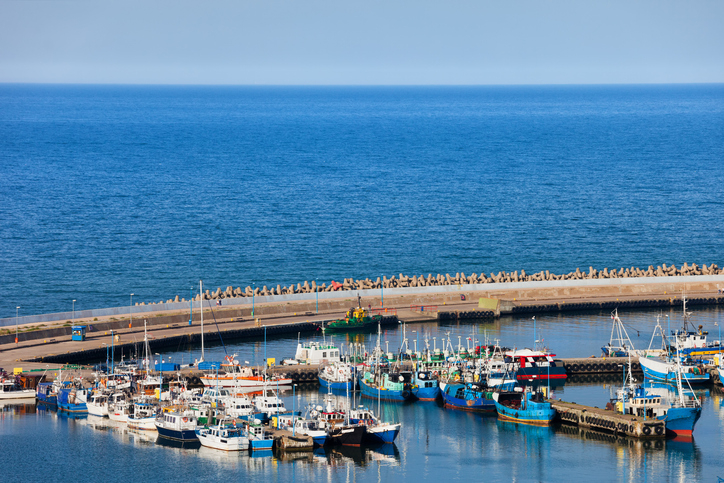
South Korea, China and Japan will discuss ways to transform Northeast Asian ports into hubs for eco-friendly energy supply and new industries. The three countries plan to share results from joint research covering everything from green fuel bunkering systems to smart port development and climate change response, and to explore avenues for deeper cooperation.
The Ministry of Oceans and Fisheries announced Monday that it will host the 26th Northeast Asia Port Directors' Meeting and Port Symposium in Ulsan from Tuesday through Thursday.
The Northeast Asia Port Directors' Meeting is a standing consultative body in which port authorities and state-run research institutions from South Korea, China and Japan discuss port policy and shared issues. The three countries have taken turns hosting the event since 2000.
This year's meeting is themed "Port Policy Direction in the Era of Carbon Neutrality and Energy Transition." Discussions will focus on cooperation for the green and digital transformation of ports while addressing uncertainty in the international trade environment and the restructuring of global supply chains.
Wednesday's port directors' meeting will be attended by Kong Du-pyo, director general of the Ministry of Oceans and Fisheries' port bureau, along with Zhu Zhanwei, deputy director general of the waterway transport bureau at China's Ministry of Transport, and Morihashi Makoto, technical counselor of the port bureau at Japan's Ministry of Land, Infrastructure, Transport and Tourism.
South Korea will present its policy direction for expanding the role of ports — shifting from traditional cargo handling and logistics toward serving as hubs for the import, storage and supply of eco-friendly energy. The vision is to reduce carbon emissions from ports while meeting new industrial demand driven by the energy transition.
The three countries will also share progress and results from six joint research projects covering smart port assessment frameworks, cruise cooperation, alternative fuel bunkering policy, climate change adaptation, the safe transport of hazardous material containers, and eco-friendly port technology.
Particularly prominent on the agenda is the alternative fuel bunkering policy research led by South Korea. Bunkering refers to the supply of operational fuel to vessels, and the meeting will explore cooperation to build a green fuel supply network across Northeast Asian ports.
On Thursday, a port symposium will bring together about 200 participants from the three governments, port associations, the port logistics industry and research institutions. Under the theme "Carbon Neutrality Transition and New Growth Strategies for Ports in the Era of Eco-Friendly Energy," the symposium will examine new growth paths for ports and include a field visit to the Port of Ulsan.
"Northeast Asian ports are a core hub of global maritime logistics and a vital foundation for the eco-friendly energy transition, making sustained trilateral cooperation ever more important amid shifts in the international logistics environment," Kong said. "Through this meeting, we will share the outcomes of our joint research and strengthen cooperation on carbon neutrality and energy transition, developing ports into growth hubs for future new industries and contributing to the sustainable development of Northeast Asian ports."
adastra@heraldcorp.com