Telemedicine kiosks installed on 189 islands, yet utilization rate reaches just 6.5% this year
First user training came an average 37 days after installation; 17 sites received none at all
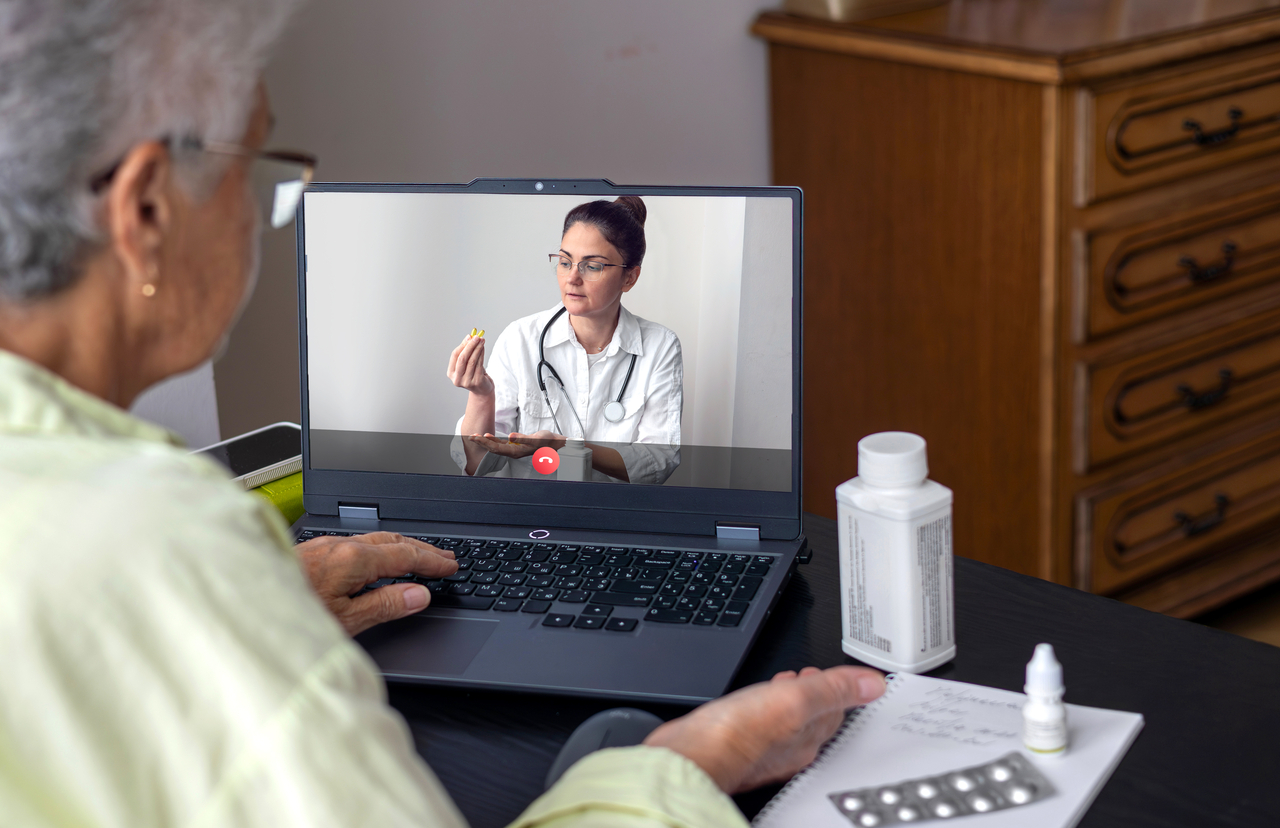
A remote medical program that cost 5.1 billion won ($3.85 million) to bring healthcare to island residents with limited access to medical facilities has seen a utilization rate of just 6.5% this year. Although the average age of patients using the service exceeds 74, training on how to operate the telemedicine devices came an average of 37 days after installation. At 17 sites, no training was conducted at all.
According to data submitted to Democratic Party of Korea lawmaker Lee Jae-gwan of the National Assembly's Agriculture, Food, Rural Affairs, Oceans and Fisheries Committee, only 959 residents used the "Untact Island Doctor" program this year — 6.5% of the 14,712 eligible island residents.
The Untact Island Doctor program provides island residents who have limited access to medical facilities with telemedicine consultations and medication delivery support. It launched as a pilot on 120 islands in 2024 and expanded to 200 islands last year. Residents connect with medical staff remotely through telemedicine kiosks.
Despite the expansion, the number of patients actually receiving consultations has not grown significantly. The figure rose slightly from 1,589 in 2024 to 1,630 last year, but fell to 959 this year.
The number of islands with no consultations at all has also grown — from 11 last year to 63 this year. Even after the program's expansion, telemedicine services remain underused on some islands.
The rate of repeat visits is also low. Of the 959 residents who received consultations this year, 792 — or 82.6 percent of all users — used the service only once.
Training on device use has been delayed despite the program primarily serving elderly residents. For kiosks installed this year, the average gap between installation and the first training session was 37 days. The longest wait was 89 days. Seventeen sites had no training record at all.
Given that island residents may be unfamiliar with digital devices, distributing the equipment alone is not enough — guidance on how to use it and ongoing support are also needed, observers say.
"The Untact Island Doctor program is essential for island residents who need continuous care and prescriptions for conditions like high blood pressure and diabetes," Lee said. "The poor performance stems from knowing that elderly residents struggle with digital devices, yet continuing to swap out the equipment without thinking about how to encourage actual use."
Lee added that what matters is not how many devices have been distributed, but whether island residents are actually receiving care and continuing to use the service. "The government must thoroughly analyze why residents are not using the program and why first-time users are not returning, and come up with concrete measures to make the program work," he said.
adastra@heraldcorp.com