SAS marks first anniversary of Incheon route
Frequency raised from 4 to 6 flights per week
Operating profit rebounds to 3 billion Swedish kronor
On-time performance cited as key competitive edge
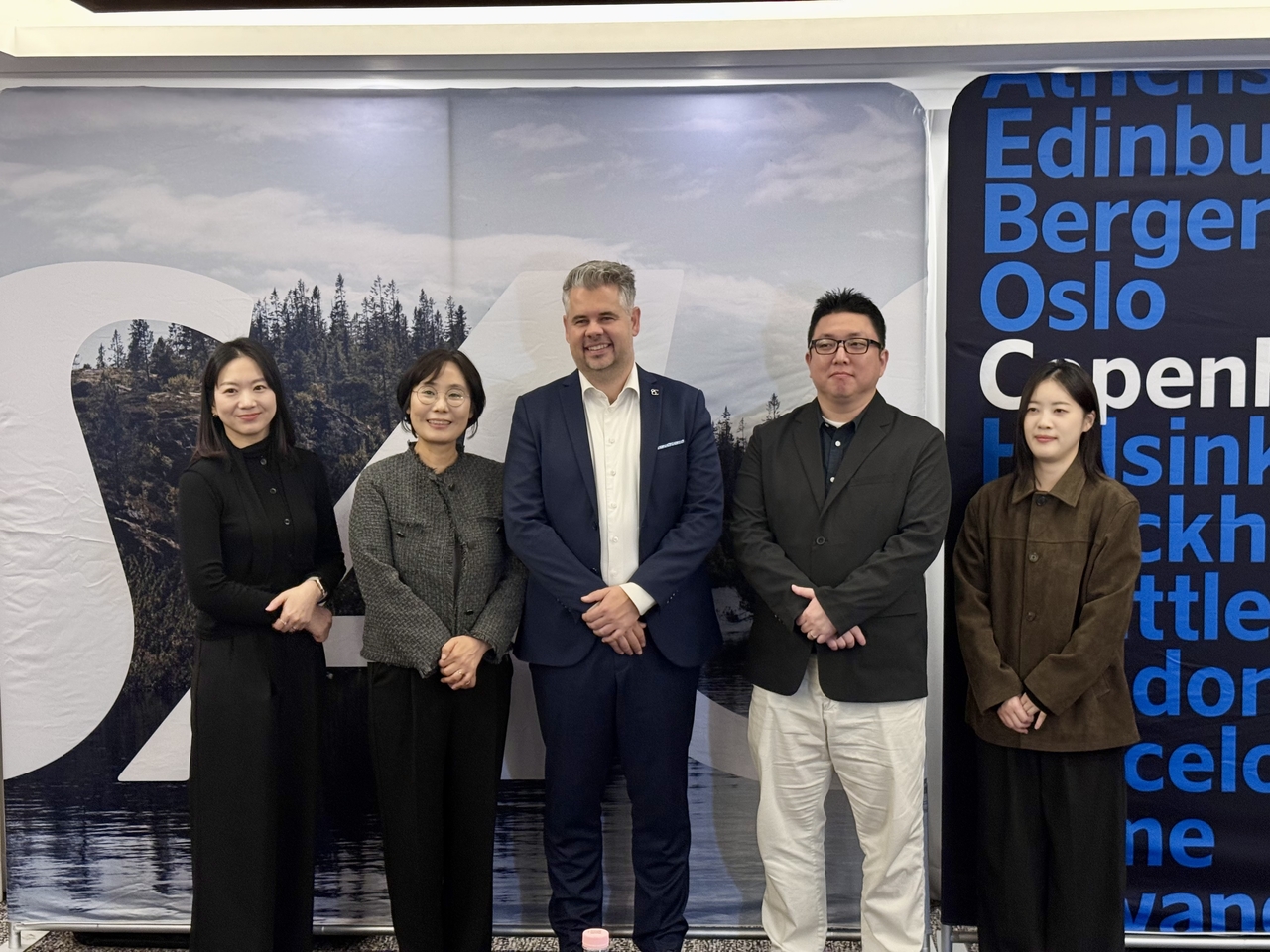
"The world needs more of Scandinavia. We will actively offer Korean customers a differentiated Nordic travel experience and benefits tailored to their expectations."
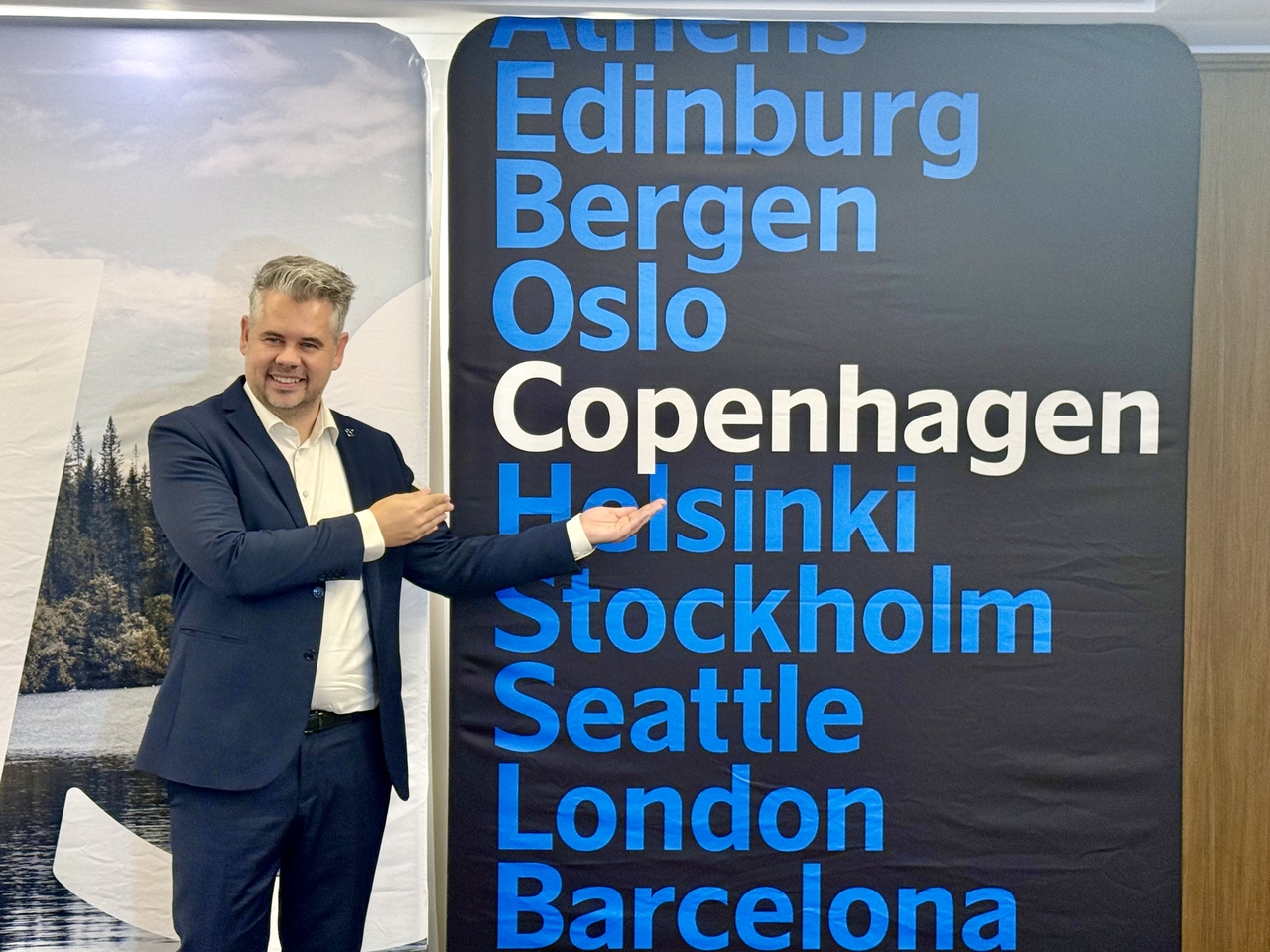
Kenneth Andersen, head of international sales at Scandinavian Airlines (SAS), made the remarks at a press conference held at the Korea Press Center in Seoul to mark the first anniversary of the Incheon-Copenhagen route, announcing continued investment and capacity expansion in the South Korean market. The event was organized to review the airline's operational performance over the past year since it launched the first direct service between the two cities last September, and to share its long-term network expansion plans.
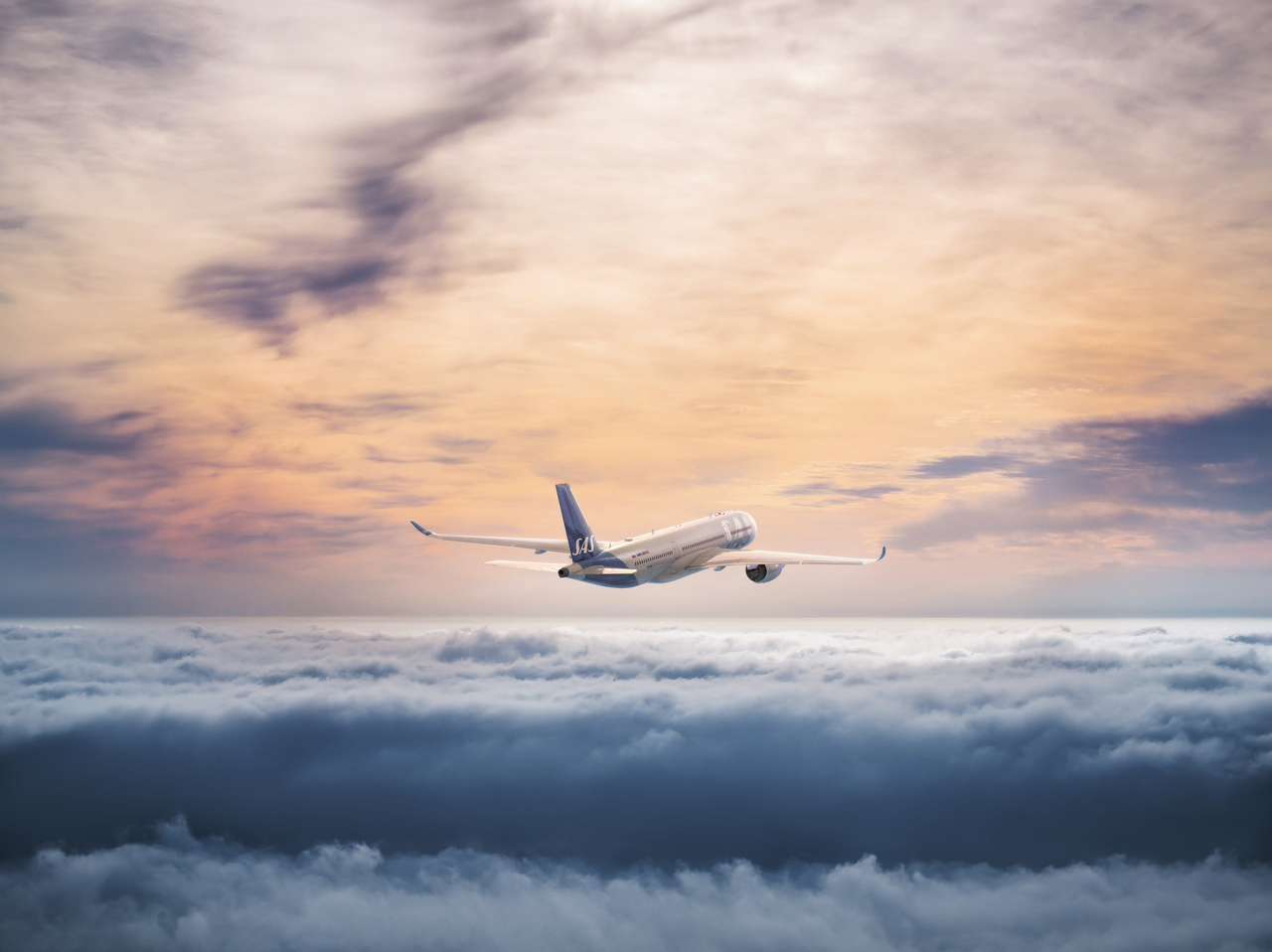
SAS is a multinational carrier jointly established by Denmark, Sweden and Norway. It operates Copenhagen, Stockholm and Oslo airports as its main hubs, and in 2024 switched its global alliance membership to SkyTeam to broaden its international network.
SAS increased the frequency of its Incheon-Copenhagen route from four to six flights per week starting with the summer season in June — a move made less than a year after the route's launch. The airline attributed the expansion to stable demand from both passenger and cargo traffic.
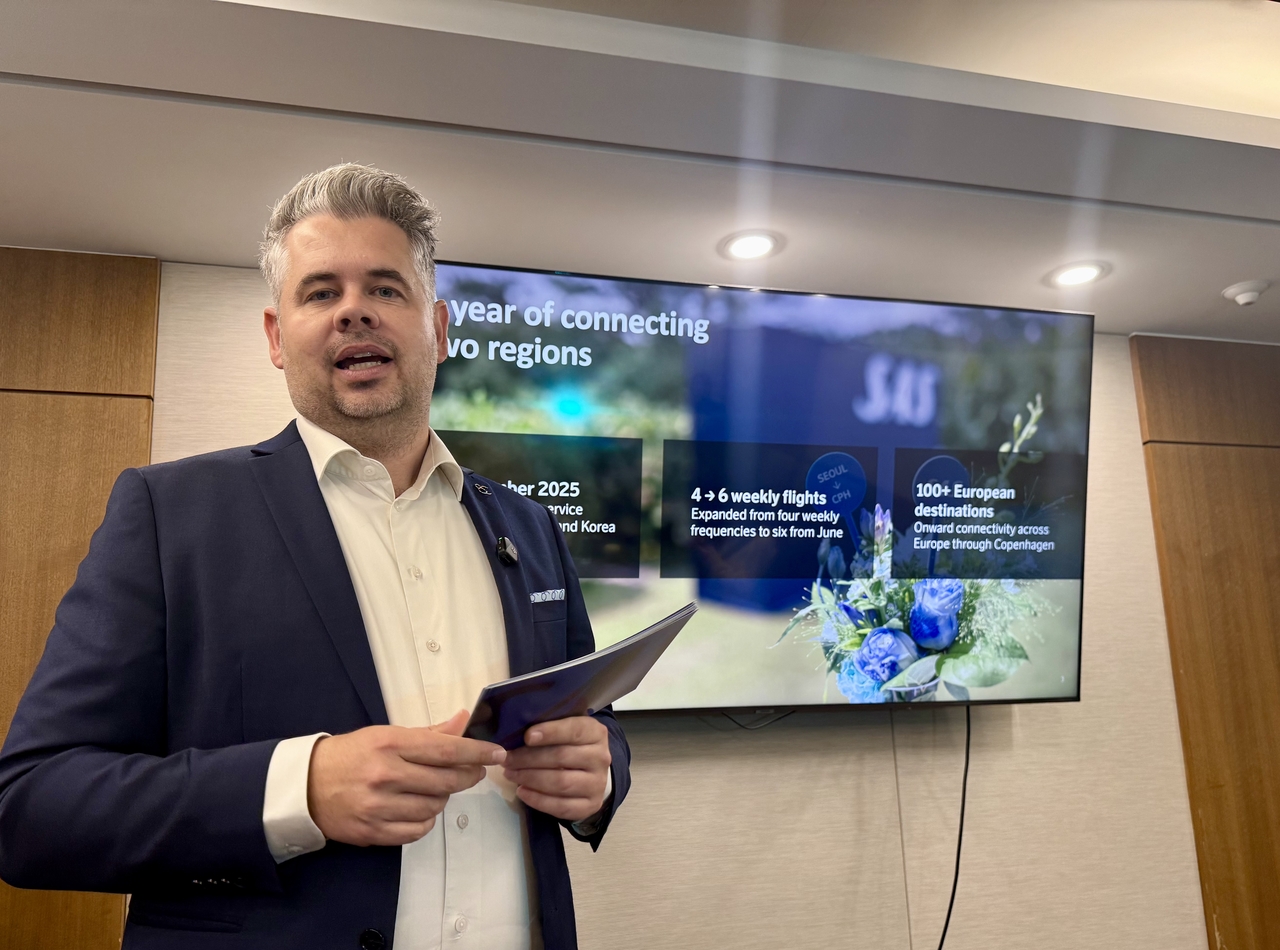
"Our already high expectations for the Korean market over the past year have been exceeded," Andersen said. "Expanding to six weekly flights in the very first year of operation is an objective reflection of the route's commercial performance and our headquarters' confidence in the Korean market."
The airline said the Incheon route has maintained solid operational results despite persistent profitability pressures across the global aviation industry stemming from geopolitical instability and high fuel prices. It highlighted a 50-50 split between Korean and foreign passengers as a key indicator, saying the balance helps cushion seasonal demand swings. In summer, the route draws concentrated tourism demand across the Nordic region — Denmark, Sweden, Norway and Iceland — while in winter, connecting traffic through the Copenhagen hub to southern Europe provides support. Cargo has also contributed to profitability, with high-tech IT components and biotech pharmaceuticals moving outbound from Korea and fresh seafood, including live salmon, coming in from the Nordic region.
Kim Mi-kyung, executive director at Dongbo Aviation, SAS's general sales agent in South Korea, said the frequency increase to six weekly flights in under a year demonstrates the trust SAS's headquarters places in the Korean market. "Rather than focusing on short-term results, we are building the route's competitiveness with a long-term perspective," she said.
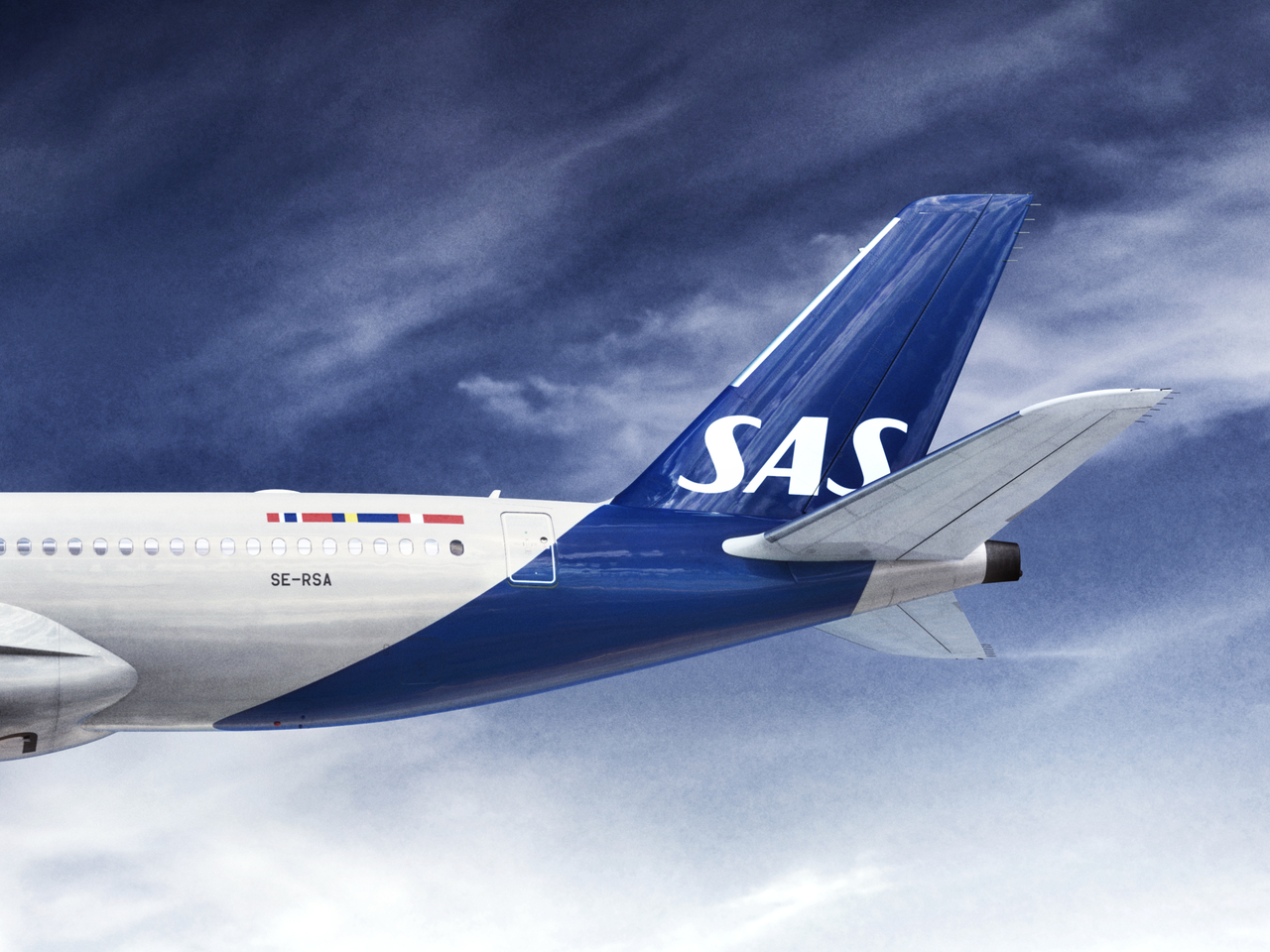
The route expansion is being pursued alongside the airline's broader operational recovery and a major fleet investment program. Celebrating its 80th anniversary this year, SAS carried 28.3 million passengers in fiscal year 2025, up 12 percent from the previous year, while sales rose 7 percent to 49.1 billion Swedish kronor. Operating profit (EBIT) reached 3 billion kronor, marking a return to the black. In June, the airline announced plans to introduce up to 40 Airbus A330-900neo and A330-300 aircraft, and placed a firm order for 45 Embraer E195-E2 jets to strengthen its European regional network, with purchase rights for an additional 10. Those aircraft are scheduled for delivery in phases over roughly four years beginning in late 2027.
"We have combined strict cost control with continued investment in the customer experience — including cabin products and lounges," Andersen said. "We plan to double our long-haul wide-body capacity from current levels within the next two and a half years."
Service upgrades and ground infrastructure improvements are also under way. SAS has already installed Starlink high-speed satellite internet on 80 percent of its short-haul A320 fleet and is now extending the service to its long-haul aircraft. The two A350s and two A330s deployed on the Incheon route are scheduled to receive the upgrade before February 2027. Meanwhile, Copenhagen Airport — the airline's primary hub — is expanding its annual capacity from 30 million to 42 million passengers while maintaining its single-terminal transit structure, and is set to open a large new flagship lounge in 2027.
On future route development, SAS said its priority is to consolidate and deepen the commercial footing of the existing Incheon-Copenhagen service before launching flights to other South Korean cities. The airline also plans to strengthen ties with SkyTeam partner Korean Air while leveraging its top on-time performance ranking among European carriers as a key competitive advantage.
"Expanding the Incheon-Copenhagen route from six to seven days a week — daily service — could be the next step," Andersen said. "We want to be the gateway to safe and reliable Nordic travel for discerning Korean travelers, offering connectivity to more than 100 cities across Europe via Copenhagen, backed by Europe's best on-time performance."
terry@heraldcorp.com