Study analyzes about 50 million US hospital admissions after recreational cannabis legalization
Heart failure hospitalizations rose 3.7%, heart attacks 3.1% per year in legalized states
Stroke and blood clot rates showed no significant difference

As the perception that cannabis is less harmful than alcohol or tobacco has spread, US states have been moving quickly to legalize recreational marijuana. As of October 2026, 24 states have permitted recreational cannabis use.
A new study has found that hospitalizations for heart failure, heart attacks and atrial fibrillation rose faster each year in the western United States — where recreational cannabis sales were first permitted — than in the rest of the country.
Tetrahydrocannabinol (THC), the primary active compound in cannabis, stimulates the sympathetic nervous system, raising heart rate and blood pressure, and can trigger vascular inflammation or promote blood clotting. However, cannabidiol (CBD), another key compound, has the opposite effect, lowering heart rate and blood pressure — which is why research findings on whether cannabis actually increases the risk of heart disease have been mixed.
A research team led by Samuel Slavin at Boston University published their findings in volume 16, issue 10 of the international peer-reviewed journal BMJ Open, analyzing changes in cardiovascular disease hospitalization rates in the United States following the legalization of recreational cannabis.
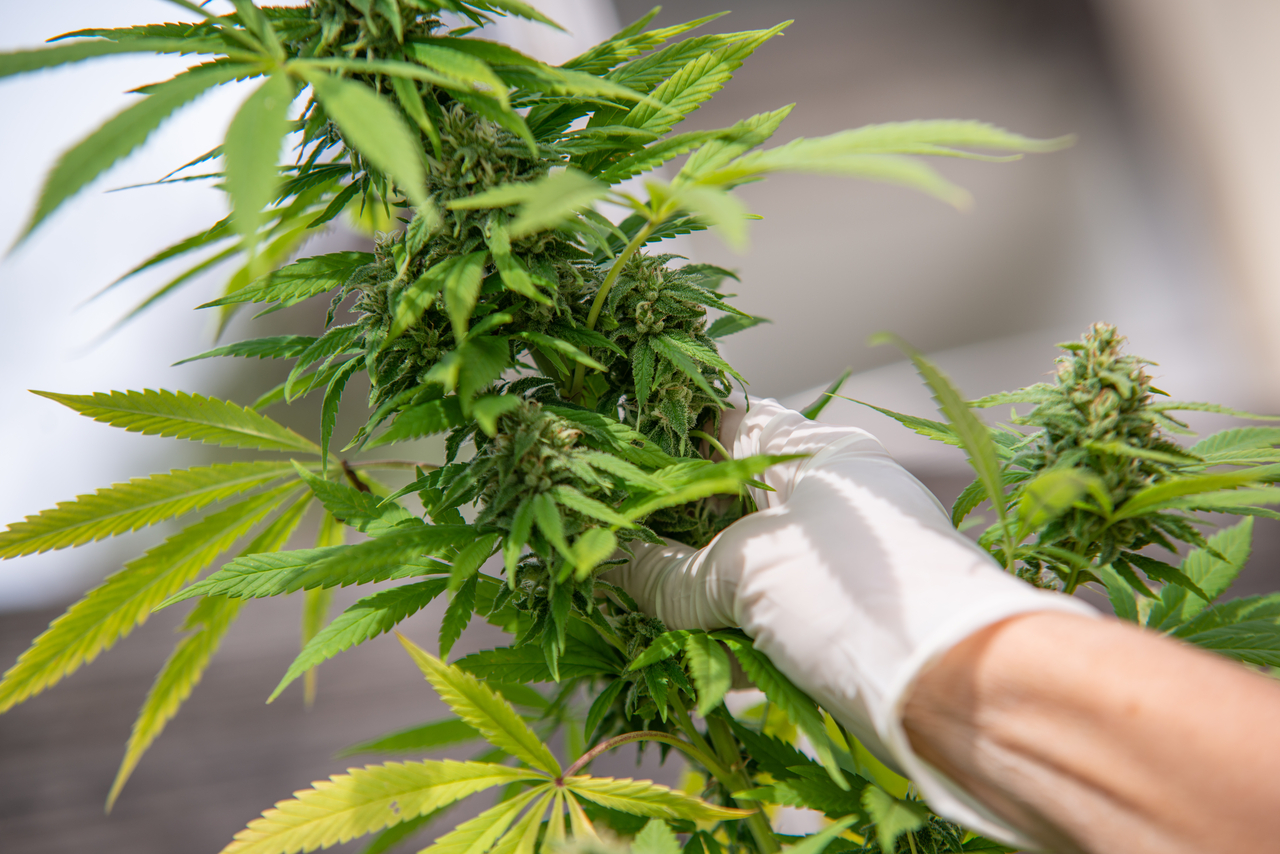
Heart failure hospitalizations up 3.7% per year after legalization
Colorado became the first state to launch recreational cannabis sales in January 2014, with other western states following suit one by one in subsequent years. By January 2018, eight in 10 residents of western states could legally purchase cannabis. Outside the West, no legal retail cannabis market existed until Massachusetts opened sales in November 2018.
The research team focused on the nearly five-year gap between when western states and the rest of the country legalized cannabis sales.
The team compiled about 50 million US hospital admission records from 2012 to 2018 and compared how much faster cardiovascular disease hospitalizations increased in western states after cannabis sales began there relative to the rest of the country.

The analysis found that for each additional year of cannabis sales in western states, hospitalizations for heart failure rose 3.7 percentage points faster than in other regions, while heart attack admissions rose 3.1 percentage points faster and atrial fibrillation admissions rose 2.3 percentage points faster. Stroke, deep vein thrombosis and ventricular tachycardia also trended upward, but the differences were not statistically significant.
To verify whether cannabis was truly driving the increase, the team also examined other hospitalization records.
Hospitalizations directly attributed to cannabis-related complications rose 13.8 percent for each year of legal sales. Admissions related to opioids, which have no connection to cannabis, showed no change.
Earlier research had found that in states permitting medical cannabis, cardiac disease deaths rose 2.3 percent among men and 1.3 percent among women. The team said the new findings were consistent with those earlier results.

Causation not proven
The research team acknowledged, however, that because the study compared regions rather than individuals, it cannot confirm whether people who actually used cannabis were more likely to develop heart disease. The team also could not rule out the possibility that some other factor changed exclusively in western states during the same period.
Because the hospitalization data could not be broken down by individual state, the team treated all 13 western states as a single region that had permitted cannabis since 2014. In reality, only Colorado and Washington began cannabis sales that year, and as late as 2018, two in 10 western residents still lived in states where cannabis could not be legally purchased.
The team noted that because states without legalization were folded into the western group, diluting the signal, the actual effect of cannabis legalization could be larger than the study's findings suggest.
The team wrote in the paper that while "observational research cannot prove causation, these findings suggest that recreational cannabis legalization may have adverse effects on the health of the general population."
Reference
DOI: 10.1136/bmjopen-2025-111050
Slavin SD, Mahar AR, Secemsky EA, et al. Cannabis legalisation and cardiovascular hospitalisations in the United States: nationwide difference-in-differences analysis, 2012-2018. BMJ Open 2026;16:e111050.
dbsdn1110@heraldcorp.com